%20--%3e%3cg%3e%3cg%20id='_레이어_1'%20data-name='레이어_1'%3e%3cg%3e%3cpath%20class='cls-2'%20d='M66.18,20.67c-2.35,0-3.55,1.02-3.58,2.42-.03,1.53,1.47,2.28,3.68,2.76l2.15.51c4.74,1.06,7.5,3.41,7.54,7.37-.03,4.67-3.65,7.5-9.79,7.5-4.46,0-7.79-1.48-9.31-4.46-.94-1.83.44-4,2.5-4h.13c1.05,0,1.97.63,2.45,1.57.68,1.35,2.18,2.04,4.17,2.04,2.46,0,3.92-1.09,3.96-2.66-.03-1.43-1.3-2.18-4.02-2.8l-2.59-.61c-4.26-.99-6.85-3.1-6.85-6.82-.03-4.57,4.02-7.64,9.62-7.64,3.56,0,6.33,1.22,7.91,3.25,1.4,1.8.05,4.43-2.23,4.43h0c-.92,0-1.78-.49-2.23-1.3-.56-1-1.74-1.56-3.48-1.56Z'/%3e%3cpath%20class='cls-2'%20d='M45.11,20.67c-2.35,0-3.55,1.02-3.58,2.42-.03,1.53,1.47,2.28,3.68,2.76l2.15.51c4.74,1.06,7.5,3.41,7.54,7.37-.03,4.67-3.65,7.5-9.79,7.5-4.46,0-7.79-1.48-9.31-4.46-.94-1.83.44-4,2.5-4h.13c1.05,0,1.97.63,2.45,1.57.68,1.35,2.18,2.04,4.17,2.04,2.46,0,3.92-1.09,3.96-2.66-.03-1.43-1.3-2.18-4.02-2.8l-2.59-.61c-4.26-.99-6.85-3.1-6.85-6.82-.03-4.57,4.02-7.64,9.62-7.64,3.56,0,6.33,1.22,7.91,3.25,1.4,1.8.05,4.43-2.23,4.43h0c-.92,0-1.78-.49-2.23-1.3-.56-1-1.74-1.56-3.48-1.56Z'/%3e%3cpath%20class='cls-2'%20d='M89.11,41.24c-6.65,0-11.73-4.57-11.73-12.69s5.08-12.69,11.73-12.69,11.73,4.54,11.73,12.69-5.12,12.69-11.73,12.69ZM89.11,20.98c-3.61,0-5.8,2.66-5.8,7.57s2.18,7.57,5.8,7.57,5.8-2.66,5.8-7.57-2.18-7.57-5.8-7.57Z'/%3e%3cpath%20class='cls-2'%20d='M121.37,19.11c-.01.13-.02.25-.03.38v.06c0,.13,0,.25,0,.36v5.95h5.94c.28,0,.56,0,.82-.03,2.89-.29,5.19-2.59,5.47-5.48.18-1.85-.46-3.66-1.77-4.96-1.3-1.3-3.11-1.95-4.96-1.76-2.89.29-5.19,2.59-5.47,5.47Z'/%3e%3cg%3e%3cpath%20class='cls-1'%20d='M153.63,16.2c1.6,0,2.9,1.3,2.9,2.9v13.03c0,5.52-4.19,9.11-10.4,9.11s-10.4-3.58-10.4-9.11v-13.03c0-1.6,1.3-2.9,2.9-2.9h0c1.6,0,2.9,1.3,2.9,2.9v12.55c0,2.63,1.88,4.5,4.6,4.5s4.57-1.88,4.57-4.5v-12.55c0-1.6,1.3-2.9,2.9-2.9h.03Z'/%3e%3cpath%20class='cls-1'%20d='M171.03,20.98c-3.65,0-5.87,2.76-5.87,7.57s2.28,7.57,5.83,7.57c2.05,0,3.61-.85,4.43-2.35.5-.92,1.47-1.5,2.52-1.49h0c2.19.01,3.52,2.46,2.31,4.29-1.75,2.65-4.9,4.67-9.36,4.67-6.68,0-11.66-4.57-11.66-12.69s5.08-12.69,11.66-12.69c4.38,0,7.9,1.82,9.69,5.14,1,1.85-.34,4.1-2.44,4.1h-.12c-1.1,0-2.08-.63-2.56-1.62-.77-1.57-2.32-2.51-4.43-2.51Z'/%3e%3cpath%20class='cls-1'%20d='M185.86,16.2h1.32c1.24,0,2.24,1,2.24,2.24v8.3h.34l6.91-8.79c.87-1.1,2.19-1.75,3.6-1.75h0c1.88,0,2.92,2.17,1.75,3.64l-4.9,6.11c-.61.76-.66,1.82-.13,2.63l5.8,8.85c.98,1.49-.09,3.47-1.87,3.47h-1.58c-.77,0-1.48-.39-1.89-1.04l-3.91-6.13c-.82-1.29-2.67-1.39-3.63-.2h0c-.32.4-.5.9-.5,1.41v3.72c0,1.24-1,2.24-2.24,2.24h-1.32c-1.24,0-2.24-1-2.24-2.24v-20.21c0-1.24,1-2.24,2.24-2.24Z'/%3e%3cpath%20class='cls-1'%20d='M131.92,34.3c-.29-2.94-2.67-5.32-5.61-5.61-.13-.01-.26-.02-.38-.03h0s-.07,0-.07,0c-.12,0-.25,0-.37,0h-6.09v6.09c0,.27,0,.55.03.83.29,2.94,2.67,5.32,5.61,5.61,3.97.39,7.29-2.92,6.89-6.89Z'/%3e%3cpath%20class='cls-1'%20d='M118.64,34.76v-6.09h-6.09c-.12,0-.25,0-.37,0h-.07c-.13,0-.26.01-.38.03-2.94.29-5.32,2.67-5.61,5.61-.39,3.97,2.92,7.29,6.89,6.89,2.94-.29,5.32-2.67,5.61-5.61.03-.28.04-.56.03-.83Z'/%3e%3cpath%20class='cls-1'%20d='M118.62,21.89c0-.27,0-.55-.03-.83-.29-2.94-2.67-5.32-5.61-5.61-3.97-.39-7.29,2.92-6.89,6.89.29,2.94,2.67,5.32,5.61,5.61.13.01.26.02.38.03h0s.06,0,.06,0c.13,0,.26,0,.38,0h6.09v-6.09Z'/%3e%3c/g%3e%3c/g%3e%3c/g%3e%3c/g%3e%3c/svg%3e)
Planning your first trip to Korea? This 7-day itinerary takes you from the royal palaces and markets of Seoul, to the thousand-year-old temples and tombs of Gyeongju, and finally to Busan, a city known for its beaches, seafood, and seaside temples.
This guide will give you a complete travel plan with sightseeing suggestions, local food experiences, transport tips, and essential advice to make the most of 7 days in South Korea, any time of year.
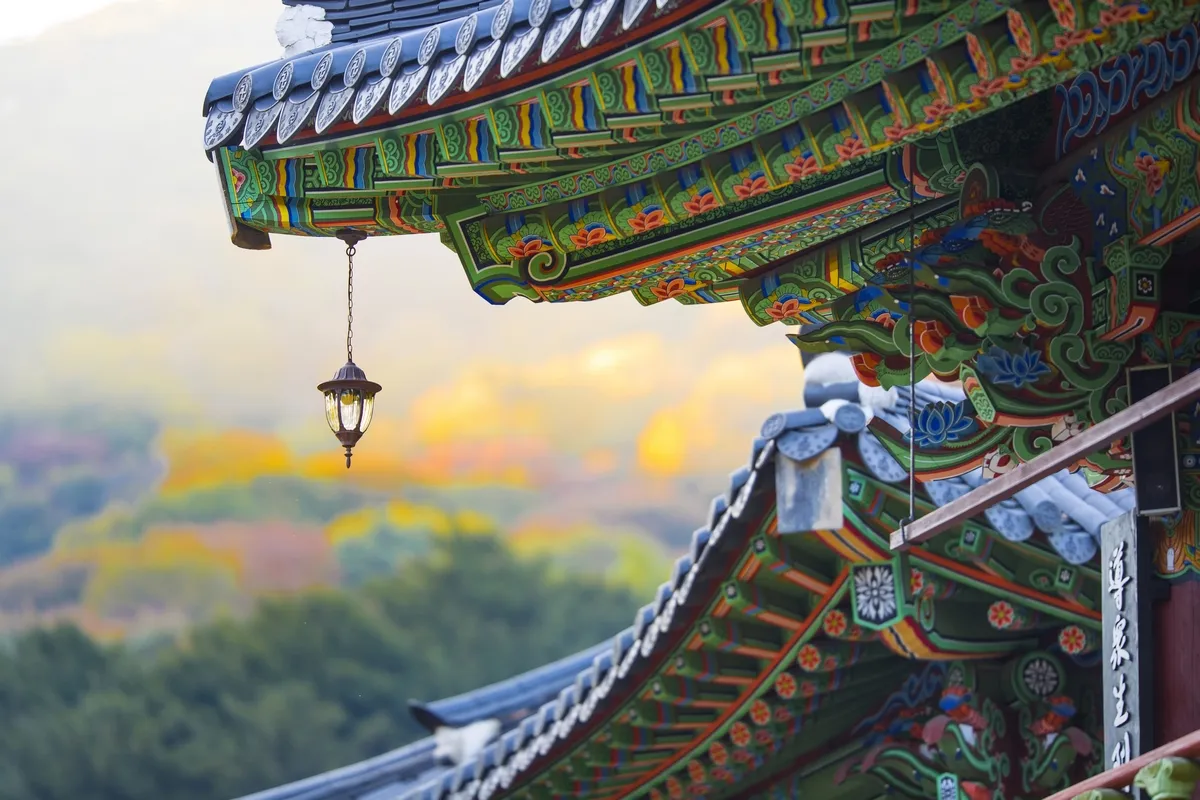
Is One Week Enough to Visit Korea?
One week is enough to experience some of South Korea's cultural highlights and major cities. While it is not possible to cover the entire country, you can comfortably visit two to three regions using the high-speed train network. If you are limited with time, you may consider focusing only on Seoul and Busan. Alternatively, Jeju Island can be added with a short flight from Seoul or Busan, but this requires removing one destination or extending the trip.
7-Day South Korea Itinerary: Seoul, Gyeongju & Busan
Day 1: Arrival in Seoul
After arriving at Incheon or Gimpo Airport, head into Seoul and check in at your hotel. The airport is well connected to the city by train, limousine bus, and taxi. Travelers using public transport can consider getting a T-money card, which is valid on subways, buses, and some taxis.
In the afternoon, take a light walk through Insadong, a district known for its traditional tea houses, galleries, and craft shops. The area is also popular for purchasing Korean souvenirs.
From Insadong, walk towards Cheonggyecheon Stream, a restored urban waterway that offers a calm walking path below street level. The stream is especially pleasant in the evening when its bridges and fountains are softly illuminated.
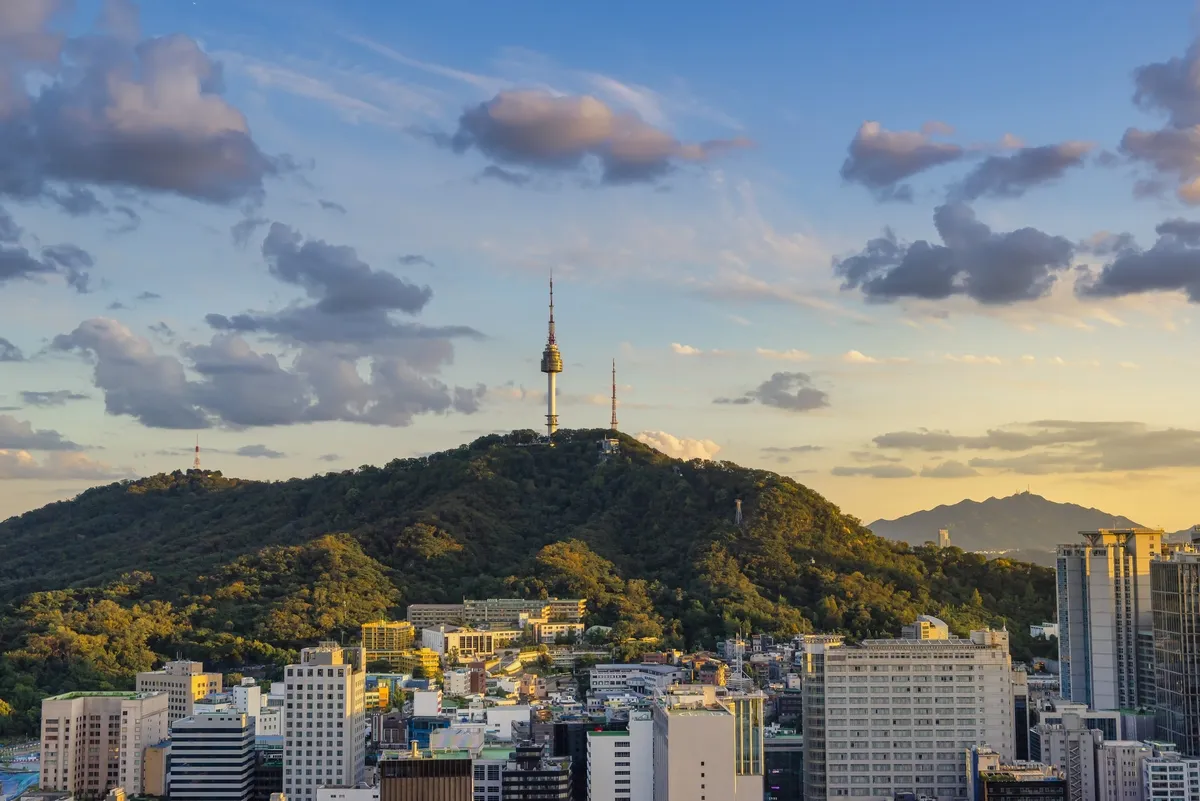
Finish the day with a visit to N Seoul Tower on Namsan Mountain, which offers a panoramic night view over Seoul. The tower can be reached by cable car, bus, or on foot. Observation decks and restaurants are located at the top. The surrounding park area is also a popular local spot for walks and light hikes.
Where to Stay in Seoul:
Voco Seoul Myeongdong: A modern hotel with stylish rooms, easy access to Myeongdong's shopping streets, and walking distance to public transport. Ideal for first-time visitors who want comfort and central location.

Seoul Retro Day: From Vintage Market to Old Spicy Street Food
From $18 · Easy booking
Explore This Tour
Day 2: Palaces & Traditions
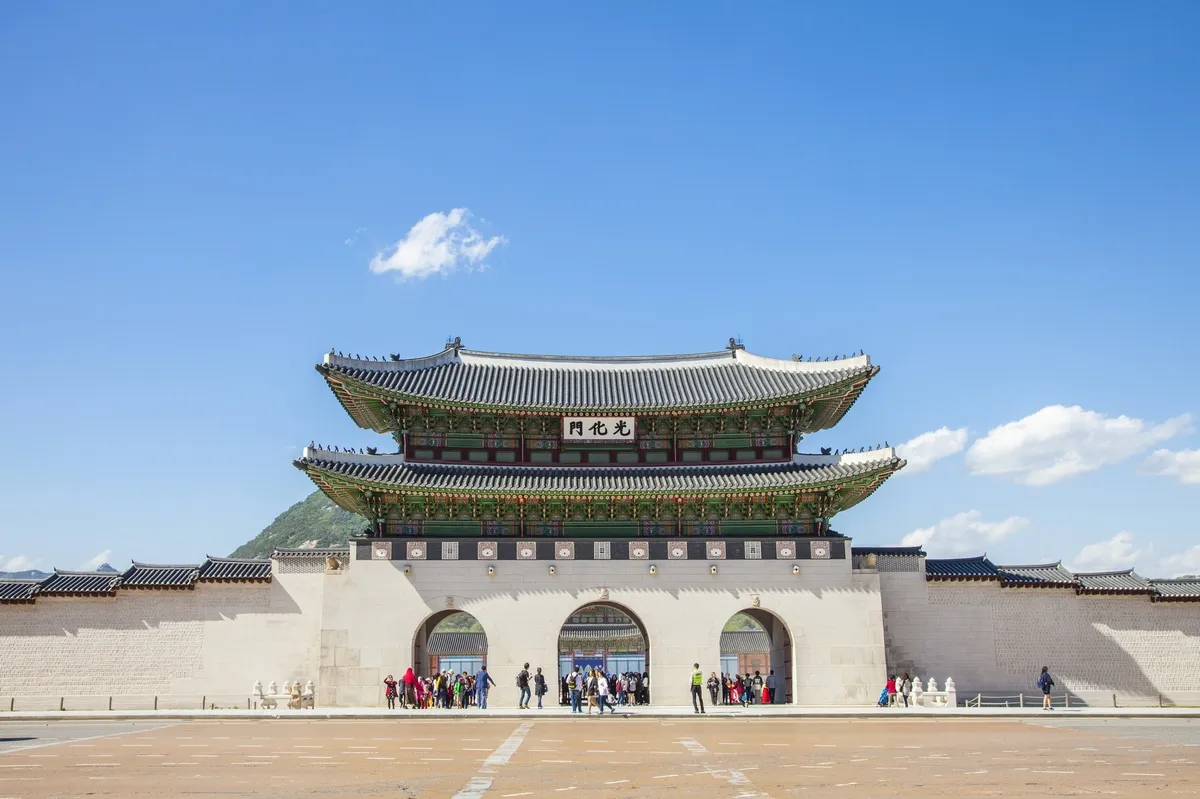
Start the day with a visit to Gyeongbokgung Palace, the largest of Seoul's Five Grand Palaces. Built in 1395, it served as the main royal residence during the Joseon Dynasty.
One of the highlights for visitors is the royal guard changing ceremony, held at the main gate twice daily at 10:00 AM and 2:00 PM (except Tuesdays, when the palace is closed). The ceremony lasts around 20 minutes and offers a great photo opportunity with guards in traditional Joseon-era uniforms.
Additional performances include the guard dispatch ceremony at 11:00 AM and 1:00 PM (10 minutes), and public training of the royal guards at 9:35 AM and 1:35 PM (15 minutes). These take place near Gwanghwamun Gate, just outside the palace entrance.
Hanbok rental shops are available nearby for those wishing to wear traditional Korean clothing. Note that entry to Gyeongbokgung Palace is free if you're wearing a hanbok!
From the palace, take a short walk to Bukchon Hanok Village, a neighborhood of preserved traditional Korean houses known as hanok. Narrow alleys, tiled rooftops, and scenic viewpoints offer great photo opportunities and a glimpse into Korea's architectural past.
While it's a popular tourist spot, Bukchon is still a residential area, so visitors are expected to keep noise to a minimum and respect local privacy.
For lunch, head to the quiet streets between Anguk Station, Bukchon Hanok Village, and Changdeokgung Palace. This area is filled with traditional restaurants and cafés, many set in renovated hanok houses.
In the afternoon, head to Changdeokgung Palace, another royal residence and a designated UNESCO World Heritage Site. The palace grounds feature elegant halls and courtyards, but the highlight is the Secret Garden (Huwon), a tranquil area filled with wooded paths, lotus ponds, and historic pavilions.
In the evening, visit Gwangjang Market, one of the oldest traditional markets in Korea. The market is especially known for its food alley, where travelers can try popular street foods such as bindaetteok (mung bean pancakes), mayak kimbap (mini seaweed rice rolls), and tteokbokki (spicy rice cakes).
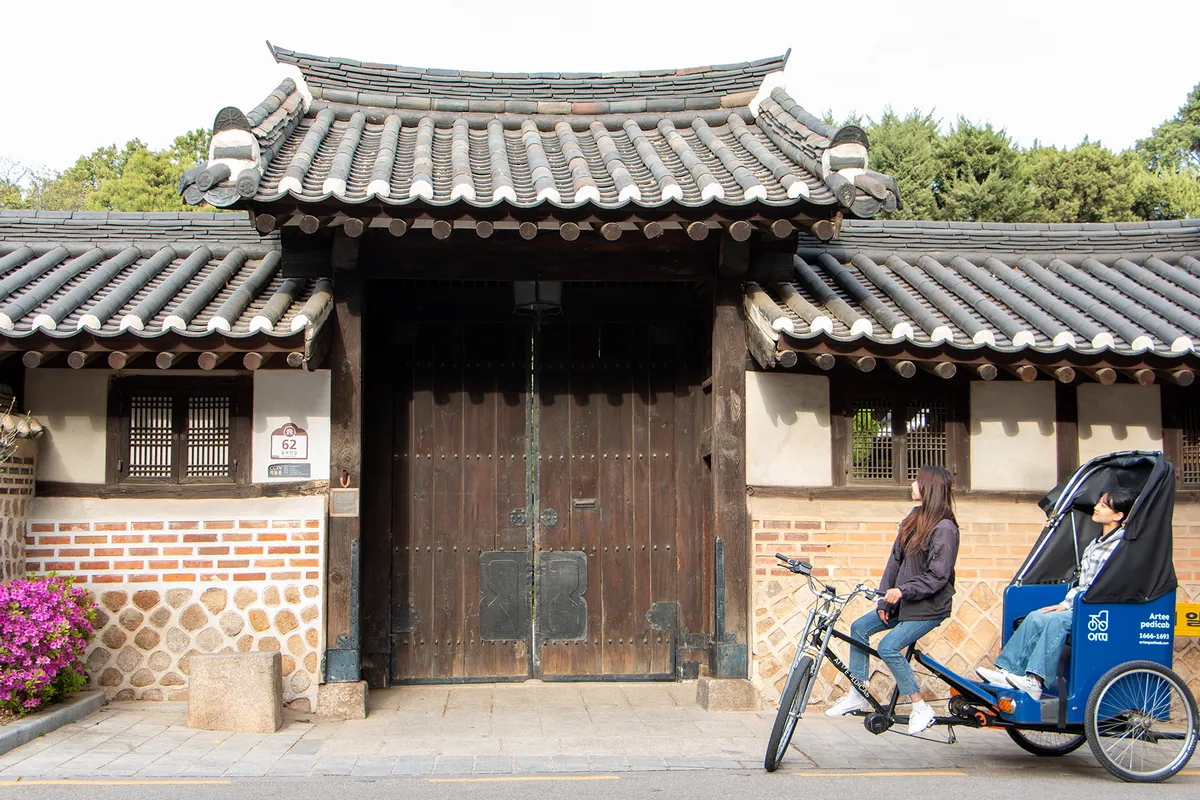
Explore the Secret Paths of Royalty Pedicab Ride ( minutes)
From $24 · Easy booking
Explore This Tour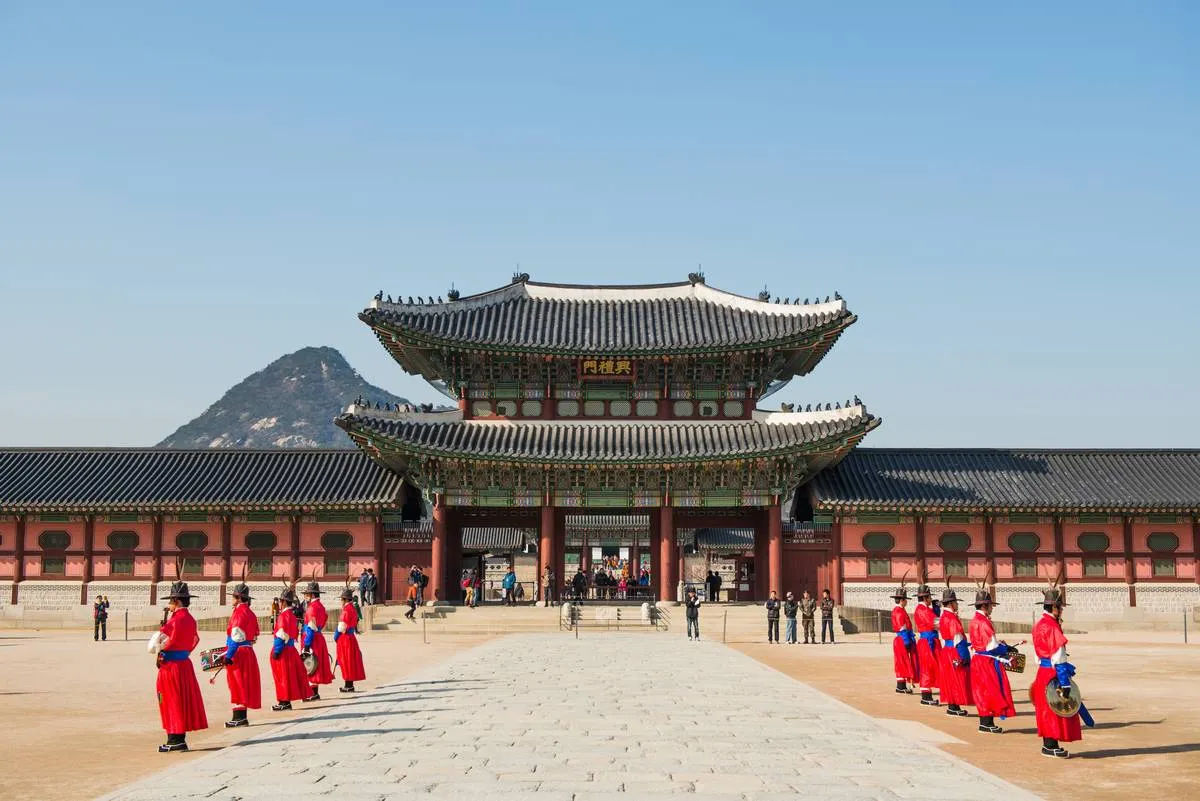
Fun King's Hidden Road
From $149 · Easy booking
Explore This Tour
Day 3: DMZ Excursion
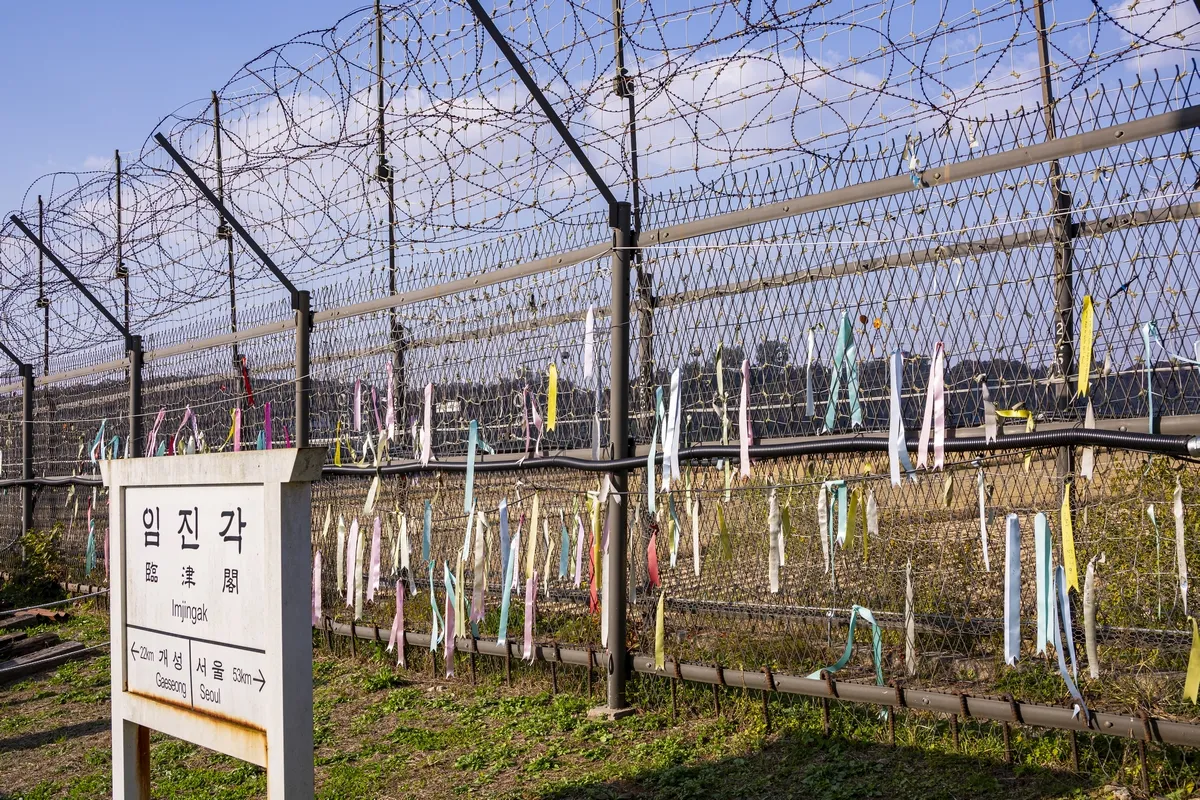
Spend the day on a guided tour to the Korean Demilitarized Zone (DMZ), one of the most unique and historically significant sites near Seoul. The DMZ is located about 50 kilometers north of the city and can only be visited on an authorized tour.
Typical tours include several key sites:
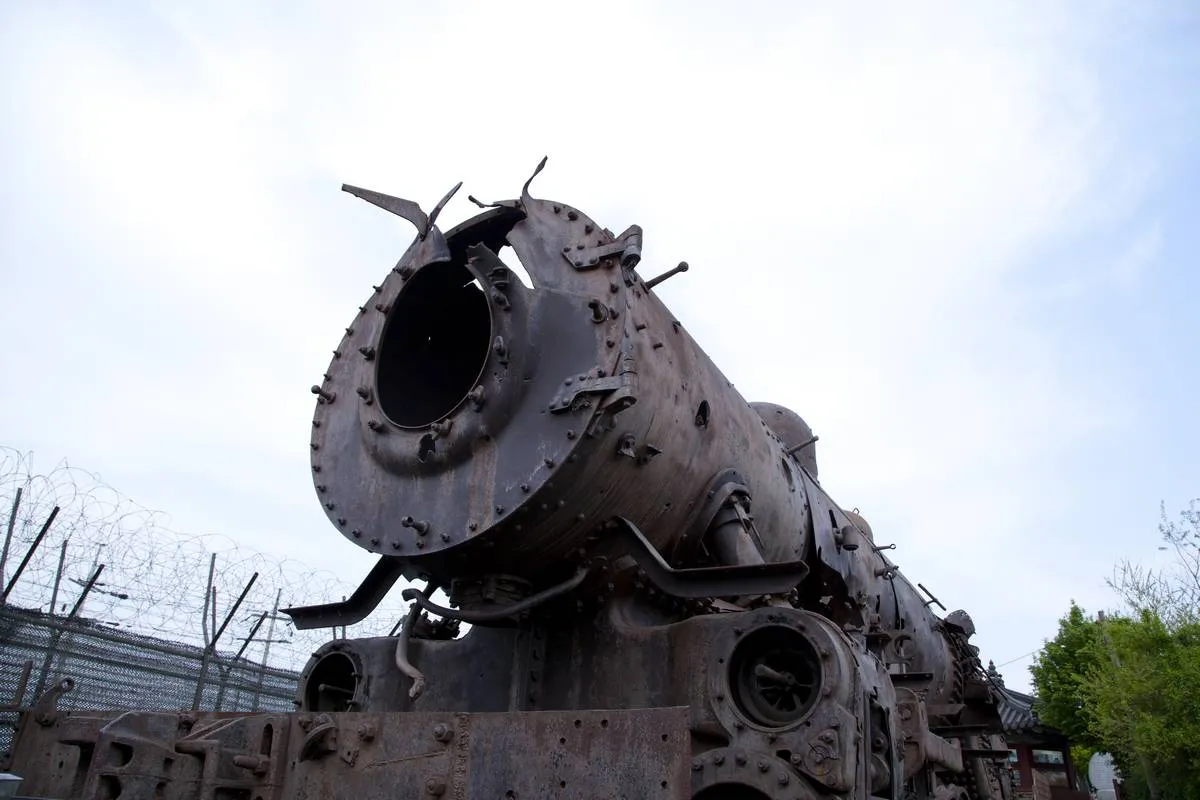
- Imjingak Park, which displays military relics and monuments related to the Korean War
- The Third Infiltration Tunnel, discovered in the 1970s, which extends over 1 kilometer under the border
- The Dora Observatory, offering views into North Korea
Tours usually depart in the morning and return to Seoul by mid to late afternoon. Advance booking is required, and travelers must bring their passports for identity checks.
After returning to the city, spend the evening in Hongdae, a lively university district known for its youthful energy and artistic vibe. The area is popular for street performances, shopping, and trendy cafés. It is a good place to end the day.
DMZ & Art Village Tour
From $429 · Easy booking
Explore This Tour
DMZ & Art Village Tour
From $440 · Easy booking
Explore This Tour
Day 4: Seoul → Gyeongju
In the morning, take the KTX high-speed train from Seoul Station to Singyeongju Station. The journey takes around 2 to 2.5 hours and offers reserved seating. From Singyeongju Station, local buses or taxis connect to central Gyeongju and major sightseeing spots.
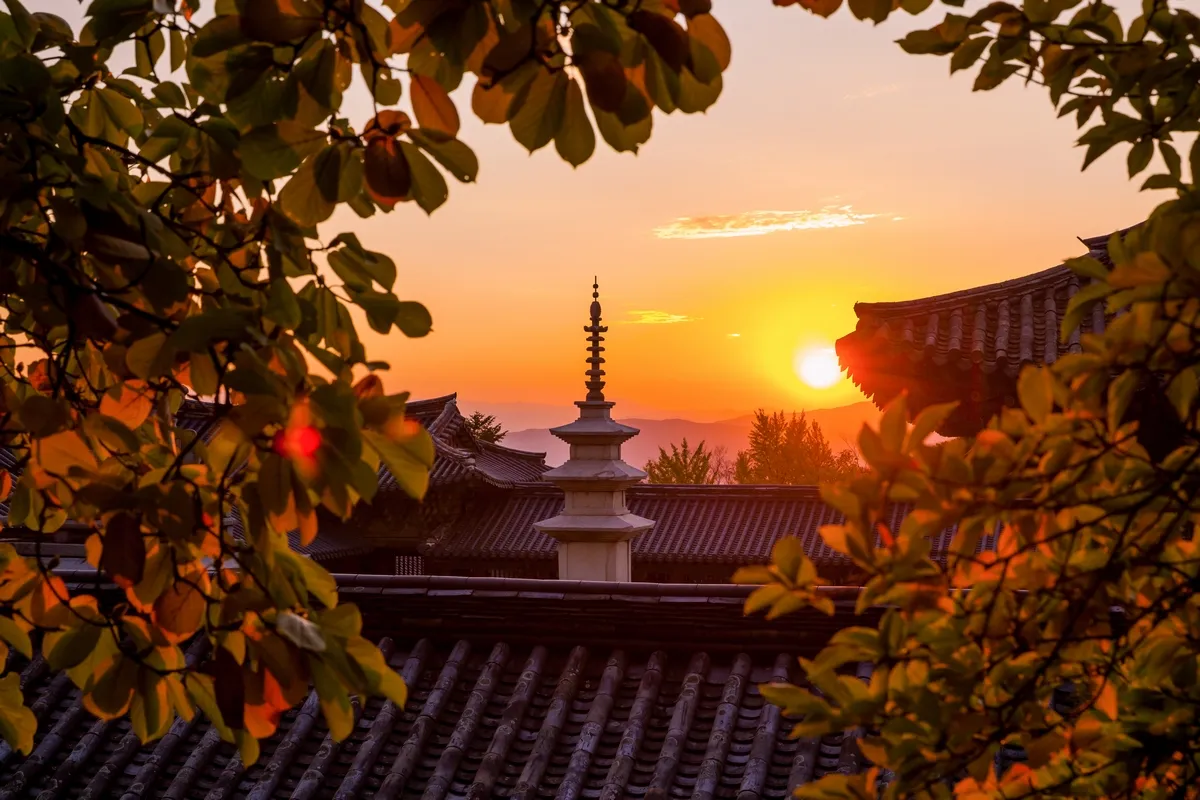
Begin your visit with Bulguksa Temple, a UNESCO World Heritage Site and one of Korea's most important Buddhist temples. Built in the 8th century, it features stone pagodas, wooden halls, and peaceful surroundings.
Those interested in continuing the visit may head to the nearby Seokguram Grotto, located on Mount Toham. The grotto houses a seated stone Buddha and offers views over the East Sea. Access is possible by local bus or a taxi.
In the evening, visit Donggung Palace and Wolji Pond (formerly known as Anapji Pond), a historic site once used for royal banquets. The area is especially popular after sunset when the reconstructed buildings and pond are beautifully illuminated.
Day 5: Gyeongju → Busan
In the morning, visit Daereungwon Tomb Complex, also known as Tumuli Park. The site features large grass-covered burial mounds from the Silla Dynasty. Some tombs are open to visitors and display royal artifacts recovered during excavations.
The surrounding area includes Hwangnidan-gil, a street lined with cafés, small shops, and hanok-style buildings. It's a good place for a short walk or coffee break before departure.
After lunch, take the KTX or regular train to Busan. The trip takes around 30 minutes, with arrivals at Busan Station or nearby stations depending on the route.
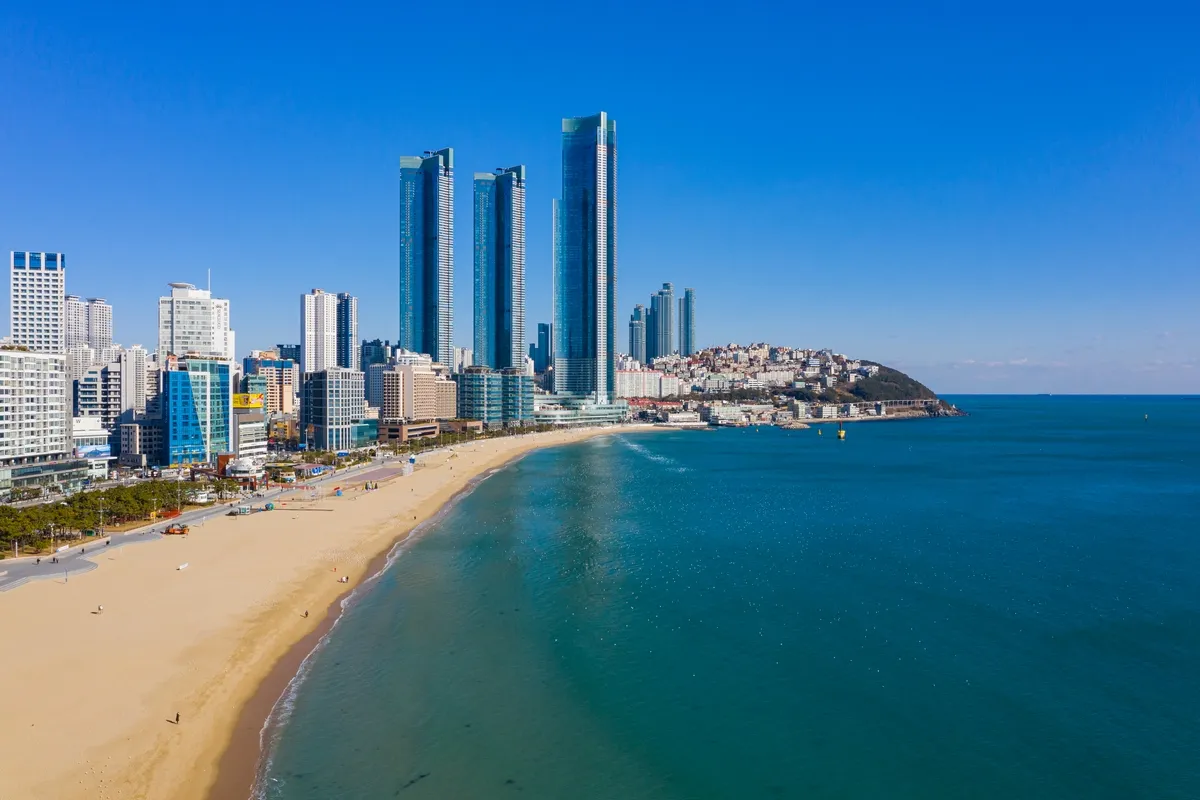
Upon arrival, check into your hotel and head to Haeundae Beach, one of Korea's most popular coastal areas. The beach is known for its wide shoreline and relaxed atmosphere.
In the evening, visit Jagalchi Fish Market, Korea's largest seafood market. The market features both raw and cooked seafood options, with vendors preparing meals on the spot. It's a good place to try grilled fish, spicy stews, or fresh sashimi.
Day 6: Busan
Start the day with a visit to Haedong Yonggungsa Temple, one of the few seaside temples in South Korea. Located along the coast northeast of the city, the temple is known for its beautiful ocean views and stone staircases. Early morning visits are recommended to avoid crowds and enjoy the coastal views.
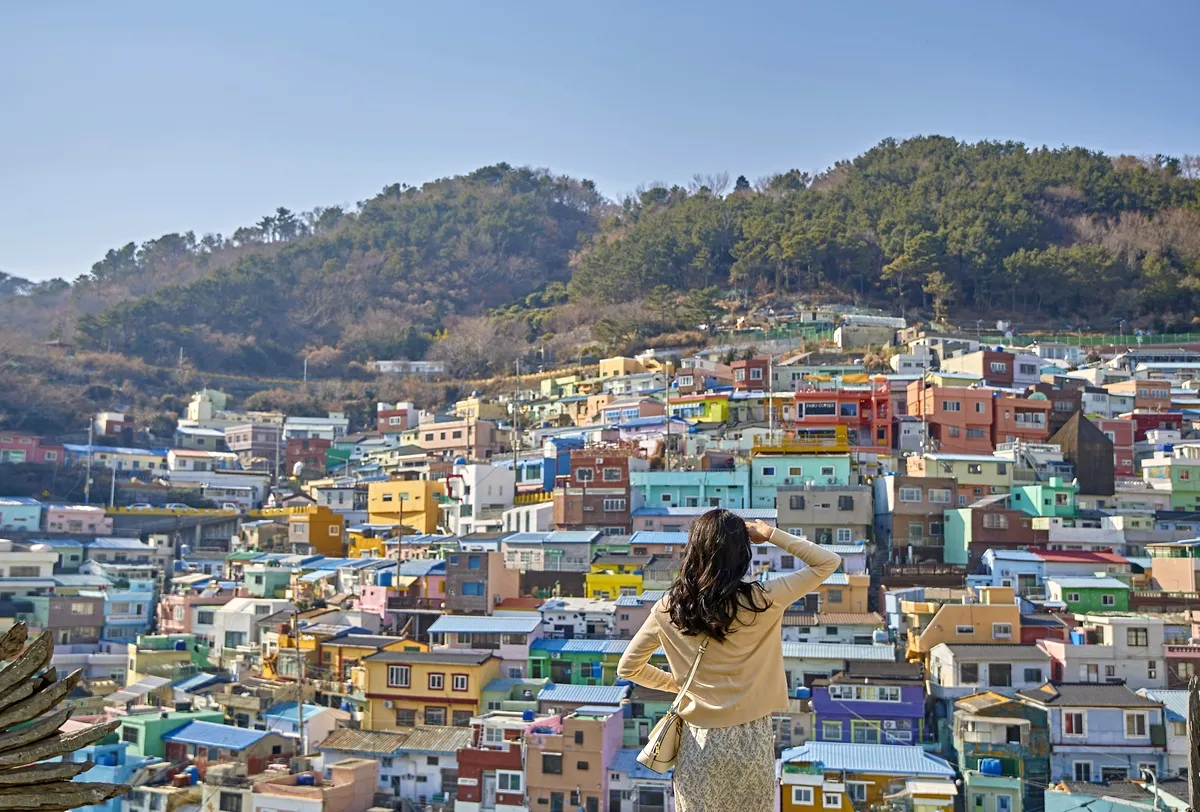
In the afternoon, head to Gamcheon Culture Village, a hillside neighborhood known for its colorful houses, murals, and narrow alleys. You can follow marked walking paths that lead to art installations, small galleries, and cafés. Maps are available at the visitor center near the entrance.
Next, make your way to BIFF Square, a central area in Nampo-dong named after the Busan International Film Festival. The square is filled with street food vendors, cinema history displays, and local fashion shops.
In the evening, relax at Gwangalli Beach, known for its views of Gwangan Bridge, which is illuminated after sunset. The beach area has many casual restaurants and cafés, making it a good place to end the day.
Day 7: Return to Seoul & Departure
In the morning, take the KTX train from Busan Station to Seoul Station. The trip takes about 2 to 2.5 hours. Early departures are recommended if your flight is scheduled for the same day.
If time allows, spend your last hours in Seoul shopping or picking up souvenirs. Two convenient options include:
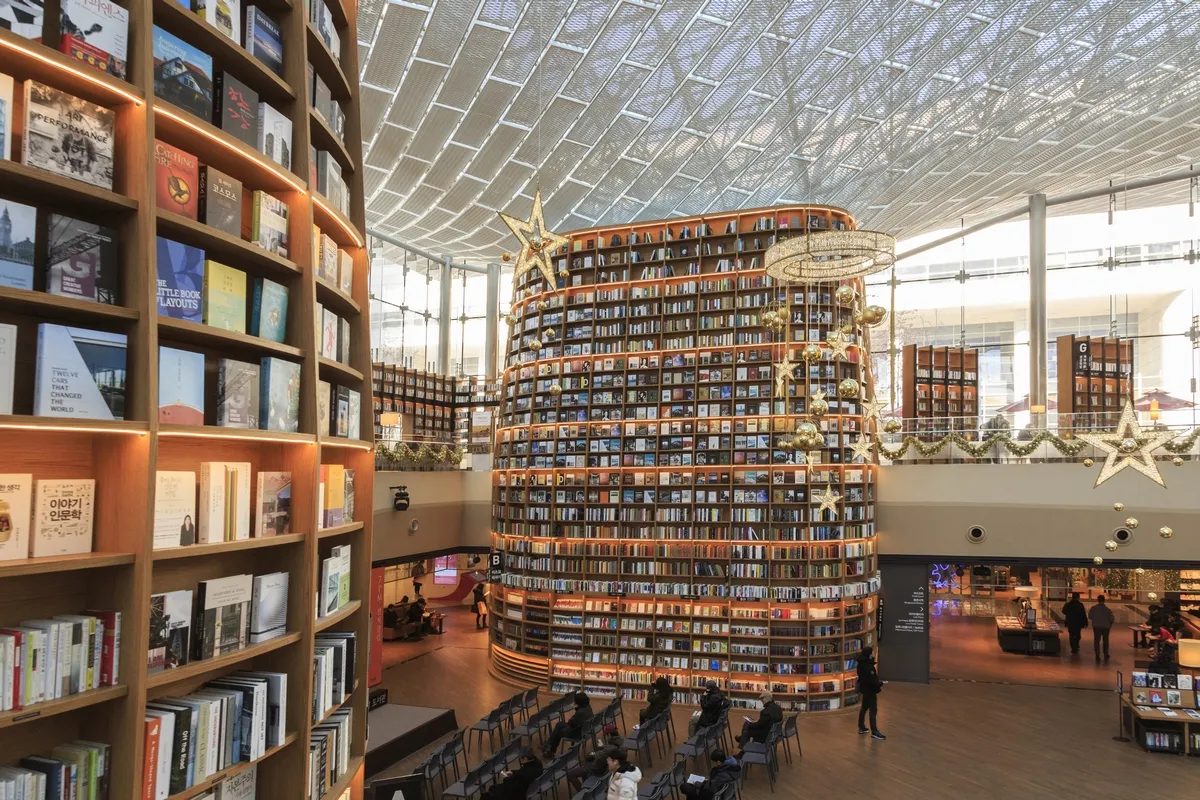
COEX Mall, a large underground shopping complex featuring Starfield Library, fashion stores, restaurants, and entertainment facilities.
Myeongdong, a popular shopping district known for cosmetics, street snacks, and souvenir shops. Make sure to arrive at Incheon International Airport at least 3 hours before your departure, especially for international flights. You can get there easily via AREX trains or airport limousine buses from central Seoul.
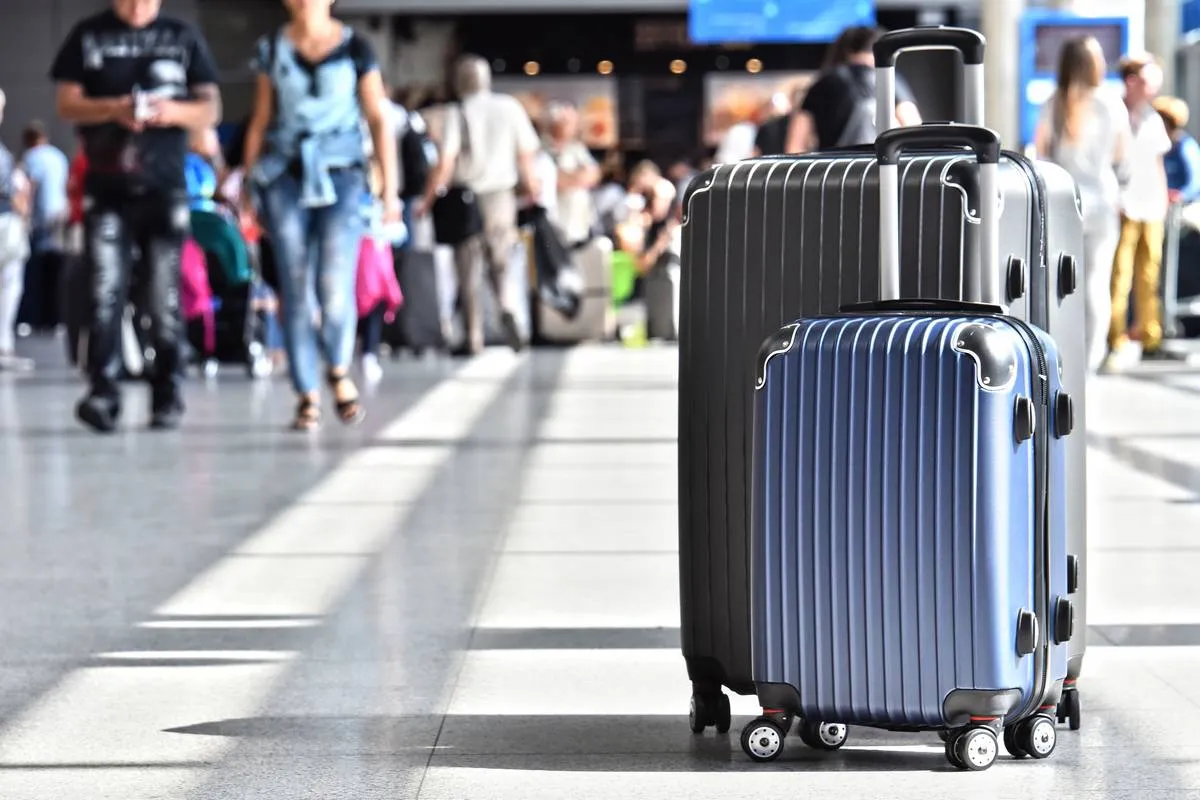
Luggage Storage
From $10 · Easy booking
Discover the Service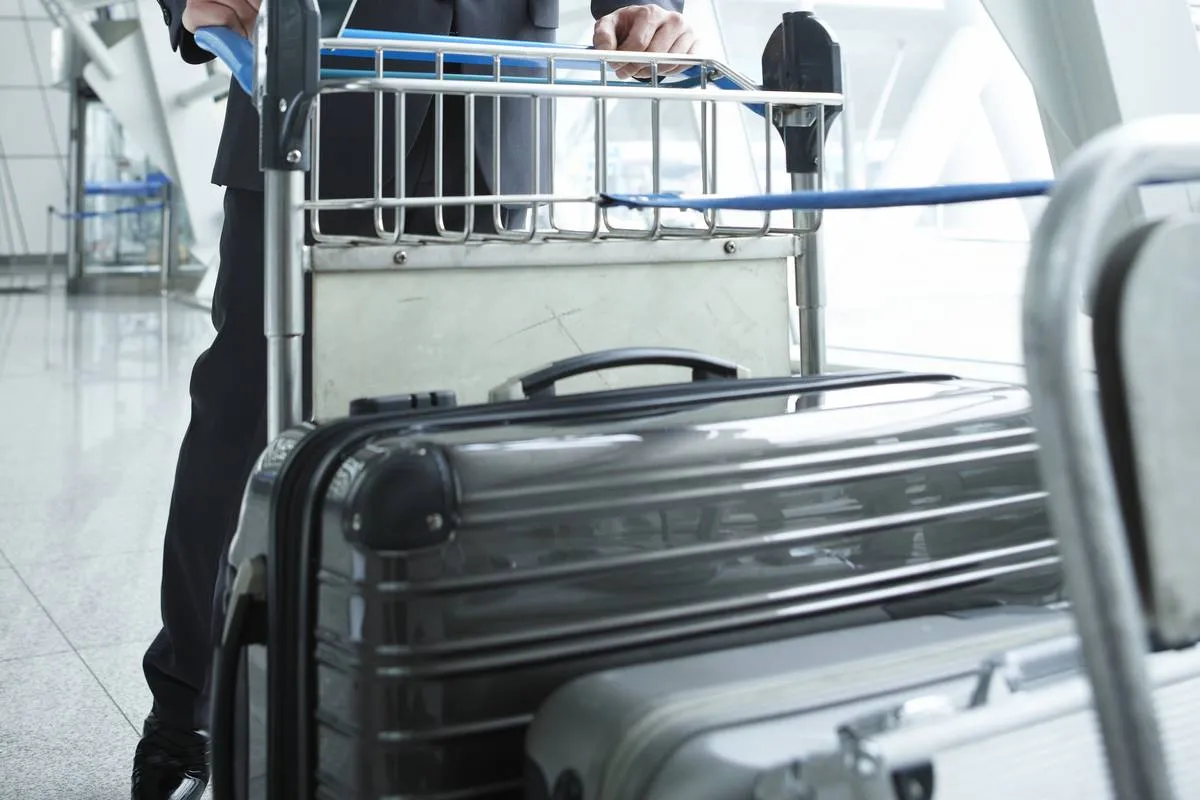
Luggage Pass (Baggage Delivery Service)
From $18 · Easy booking
Discover the ServiceInformation for planning your first trip to South Korea
Getting to South Korea: Flights & Airport Transfers
Most international travelers arrive via Incheon International Airport (ICN), located just west of Seoul. ICN is South Korea's largest and busiest airport, with direct flights from Europe, North America, Oceania, and the Middle East.
Major airlines like Korean Air, Asiana Airlines, and global carriers such as Qatar Airways, Emirates, Air France, and Delta operate frequent flights to Incheon.
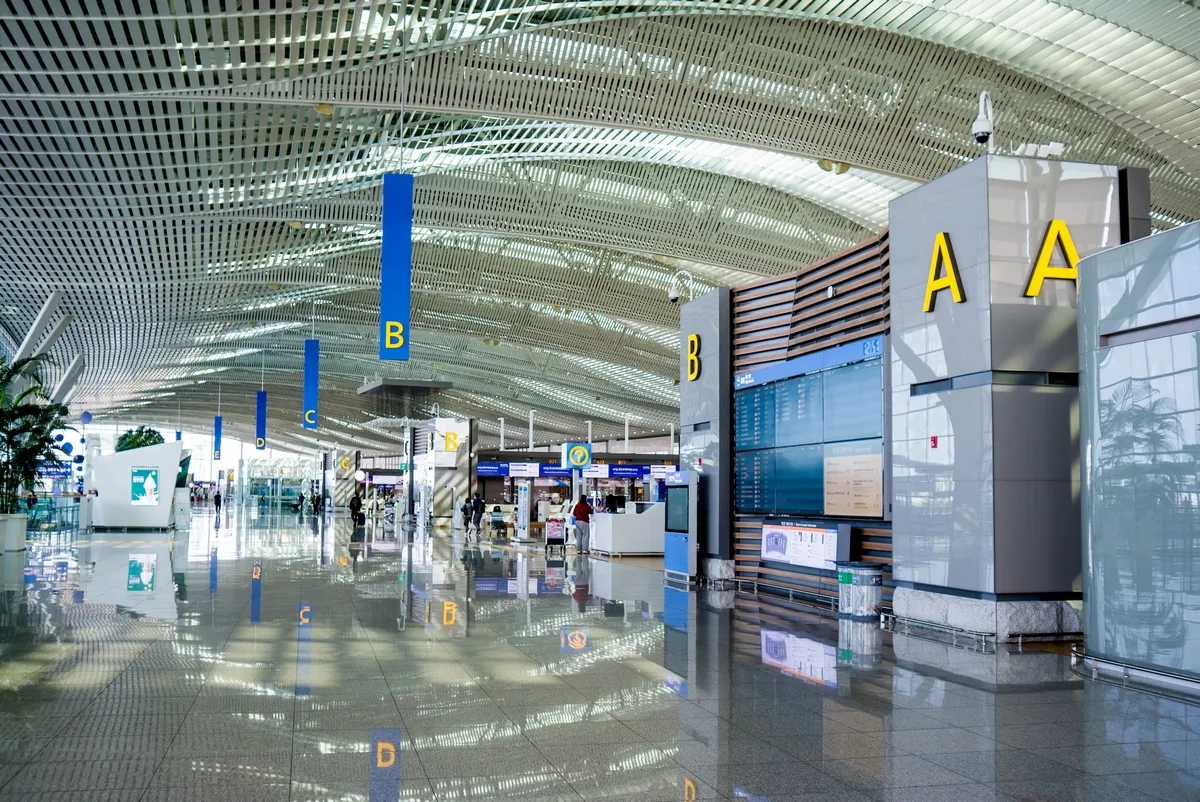
How to Get from Incheon Airport to Seoul
From Incheon (ICN):
- AREX Train (Express and All-Stop) provides a fast and direct connection to Seoul Station.
- Airport Limousine Buses serve major hotels and neighborhoods across the city.
- Private Airport Transfer (Recommended for groups of 3 or more): Offer a direct ride to your hotel in Seoul.
- Taxis are readily available outside all terminals.
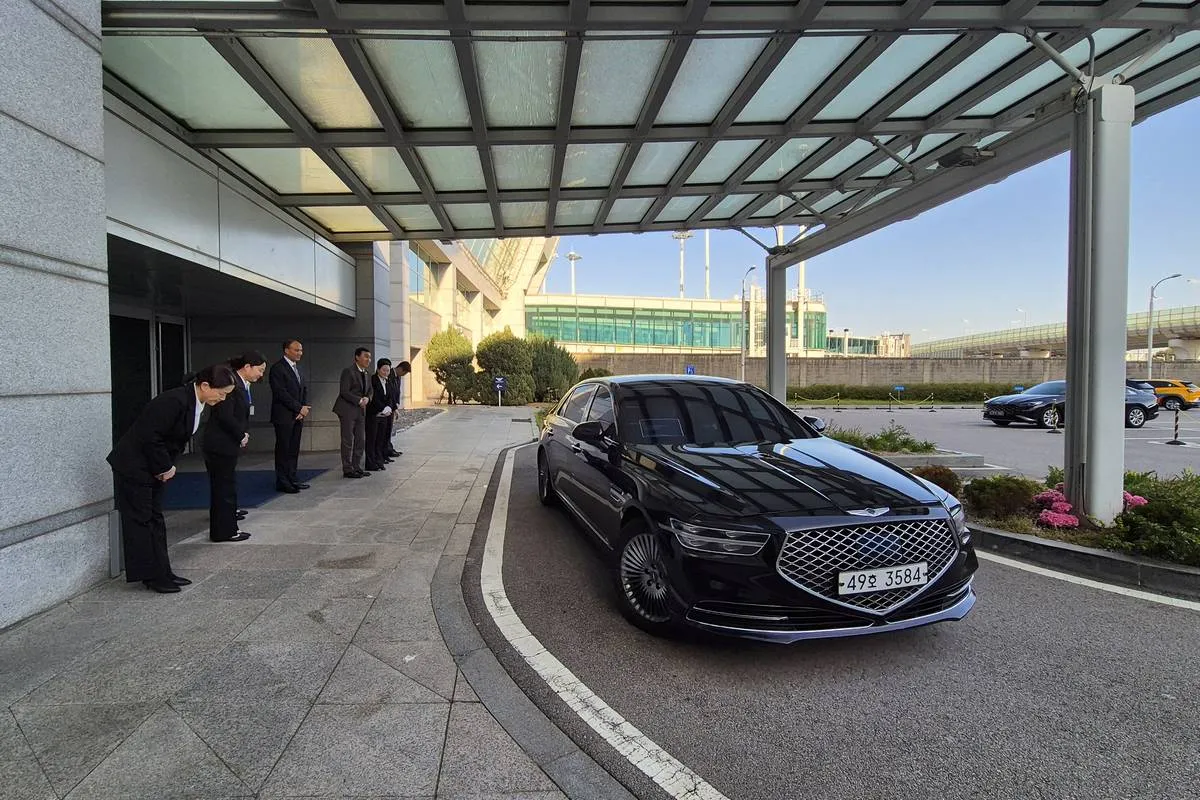
Private Airport Transfer
From $40 · Easy booking
Discover the ServiceHow to Get Around South Korea
South Korea has an efficient and reliable public transportation system, making it easy to travel between cities and within urban areas.
Intercity Travel
- - KTX (Korea Train Express) is the fastest way to move between major cities.
- - SRT (Super Rapid Train) offers similar service on a different line, with departures from Suseo Station in Seoul.
- - Regular trains (ITX, Mugunghwa) are slower but may serve smaller towns not covered by high-speed routes.
- - Express buses also connect most cities and are a good option for budget travelers.
Getting Around in Cities
- Subway systems are available in major cities like Seoul, Busan, and Daegu. They are clean, punctual, and have English signage. City buses complement subway lines and reach neighborhoods not covered by metro routes. Taxis are metered, widely available, and relatively
- affordable.
A T-money card is recommended for convenience. It works on subways, buses, and some taxis. You can purchase and reload it at convenience stores and subway stations.
Visa Requirements for South Korea
Most travelers can enter South Korea without a visa for short-term stays, but many nationalities are required to apply for a K-ETA (Korea Electronic Travel Authorization) before departure.
K-ETA (Korea Electronic Travel Authorization)
Many nationalities can enter South Korea without a visa for short-term stays. However, most travelers must apply for a K-ETA (Korea Electronic Travel Authorization) before departure.
K-ETA at a glance:
- When to apply: At least 72 hours before your flight
- Validity: 2 years, with multiple entries allowed
- Cost: 10,000 KRW (approx. $8–10 USD)
- - How to apply: → Official site: k-eta.go.kr → Or via the K-ETA mobile app (App Store & Google Play)
Temporary K-ETA Exemption (Until December 31, 2025)
Travelers from the following 22 countries are temporarily exempt from the K-ETA requirement for short stays until December 31, 2025:
Australia, Austria, Belgium, Canada, Denmark, Finland, France, Germany, Hong Kong, Italy, Japan, Macao, Netherlands, New Zealand, Norway, Poland, Singapore, Spain, Sweden, Taiwan, United Kingdom, United States (including Guam)
Even if exempt, make sure your passport is valid for at least 6 months from your date of entry.
For Other Nationalities
If you're not eligible for K-ETA, you'll need to apply for a visa through the nearest Korean embassy or consulate.
Best Time to Visit South Korea
South Korea is a year-round destination, with four distinct seasons offering very different atmospheres. The best time to visit depends on your preferences for weather, activities, and crowd levels.
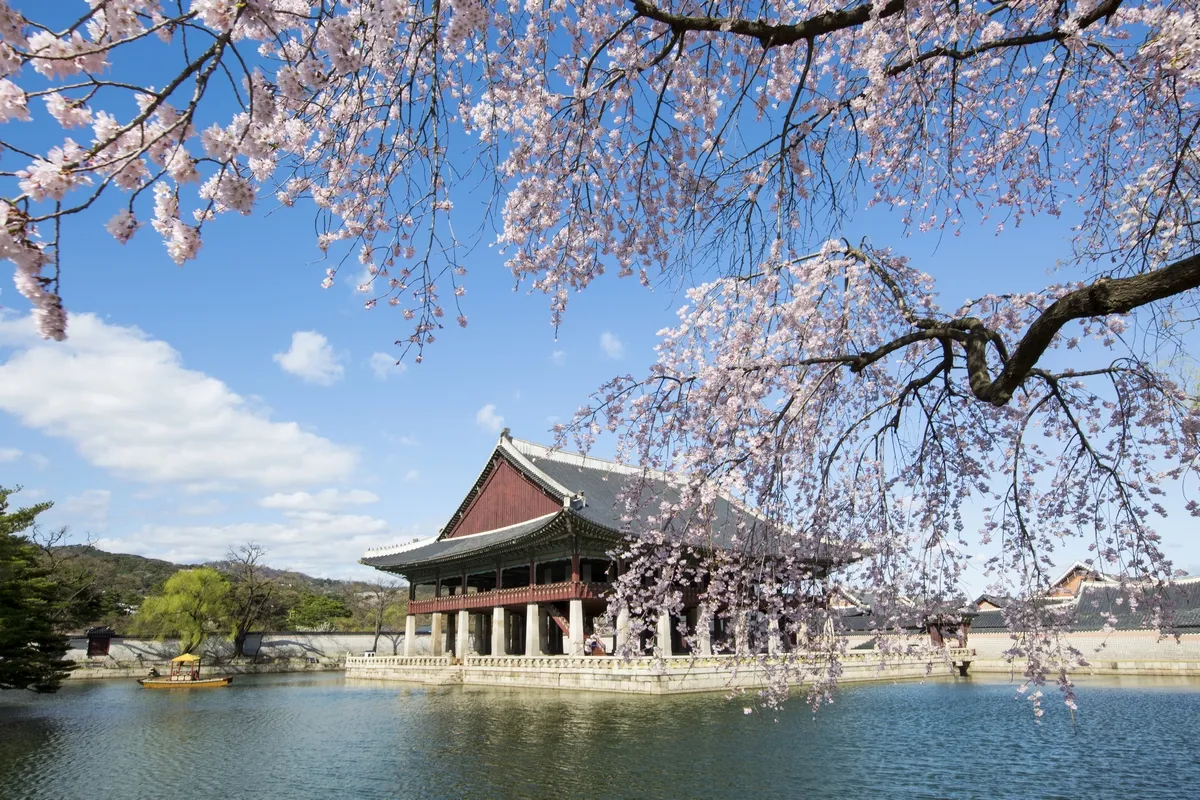
Spring (March to May): Spring is one of the most popular times to visit Korea. Temperatures are mild, the air is crisp, and cherry blossoms bloom across the country, usually in early April. It's a great season for outdoor sightseeing, festivals, and hanbok photo walks.
Summer (June to August): Korean summers are hot, humid, and include a short monsoon season in July. While the heat can be intense, it's the perfect time to enjoy coastal destinations like Busan or Jeju Island. Summer festivals and night markets are also in full swing.
Autumn (September to November): Autumn offers cool, dry weather with blue skies and colorful foliage. The leaves usually peak in October, making it a beautiful time for temple visits, hiking, and scenic city walks. This season is ideal if you want pleasant temperatures without large crowds.
Winter (December to February): Winters in Korea are cold, especially inland. Snow is common in the mountains, and ski resorts operate from late December to early March. Cities like Seoul remain lively with winter street food, light festivals, and cozy cafés.
Cash or Card in Korea?
Credit and debit cards are widely accepted across South Korea, especially in cities like Seoul and Busan. You can use cards at hotels, restaurants, cafés, department stores, and most convenience stores. Visa and Mastercard work almost everywhere, but American Express is less commonly accepted.
That said, it's still a good idea to carry some cash (Korean won), especially for Street food stalls and traditional markets
You can withdraw cash from ATMs found in major banks like Shinhan, Woori, or inside 7-Eleven convenience stores. Look for machines labeled "Global ATM" or "Foreign cards accepted", which usually offer English and other language options.
Tipping is not customary in Korea. Most restaurants and hotels include a service charge, and tips are neither expected nor required.
Internet, WiFi & eSIM options
Staying connected in South Korea is easy, thanks to the country's excellent internet infrastructure. Whether you're in a big city or a remote village, you'll find fast and reliable coverage almost everywhere.
Free WiFi is widely available in cafés, hotels, subway stations, airports, and even public parks. Most convenience stores and shopping malls also offer open networks you can join without registration.
If you prefer mobile data, you can purchase a prepaid SIM card at the airport or order one online before your trip. Another option is to rent a pocket WiFi device, which is useful for groups or families who want to stay connected on multiple devices. These can be picked up and returned at major international airports.
Must-Have Apps for Korea Travel
South Korea has its own strong app ecosystem, often more reliable than global alternatives. Many local services don't fully support international apps, so it's best to download these Korean apps in advance.
Navigation
- Naver Map: Accurate directions, real-time transit info, English interface available
- KakaoMap: Similar to Naver Map, often preferred for walking routes and landmarks
Taxis & Transport
- Kakao T: An app for booking standard or deluxe taxis. You can estimate fares, track your driver, and pay in-app.
- Subway Korea: A helpful app for metro maps and train schedules in Seoul, Busan, Daegu, and other major cities.
Translation
- Papago: Created by Naver, this is the most accurate app for Korean-English translation, especially with camera or voice input.
- Google Translate – Fine for short text, but not as reliable for full sentences or spoken Korean.
Messaging
- KakaoTalk: The dominant messaging app in Korea
Travel & Booking
SSOLUCK: Book local tours, cultural experiences, and activities in advance.
What to Eat in South Korea: Local Food Guide
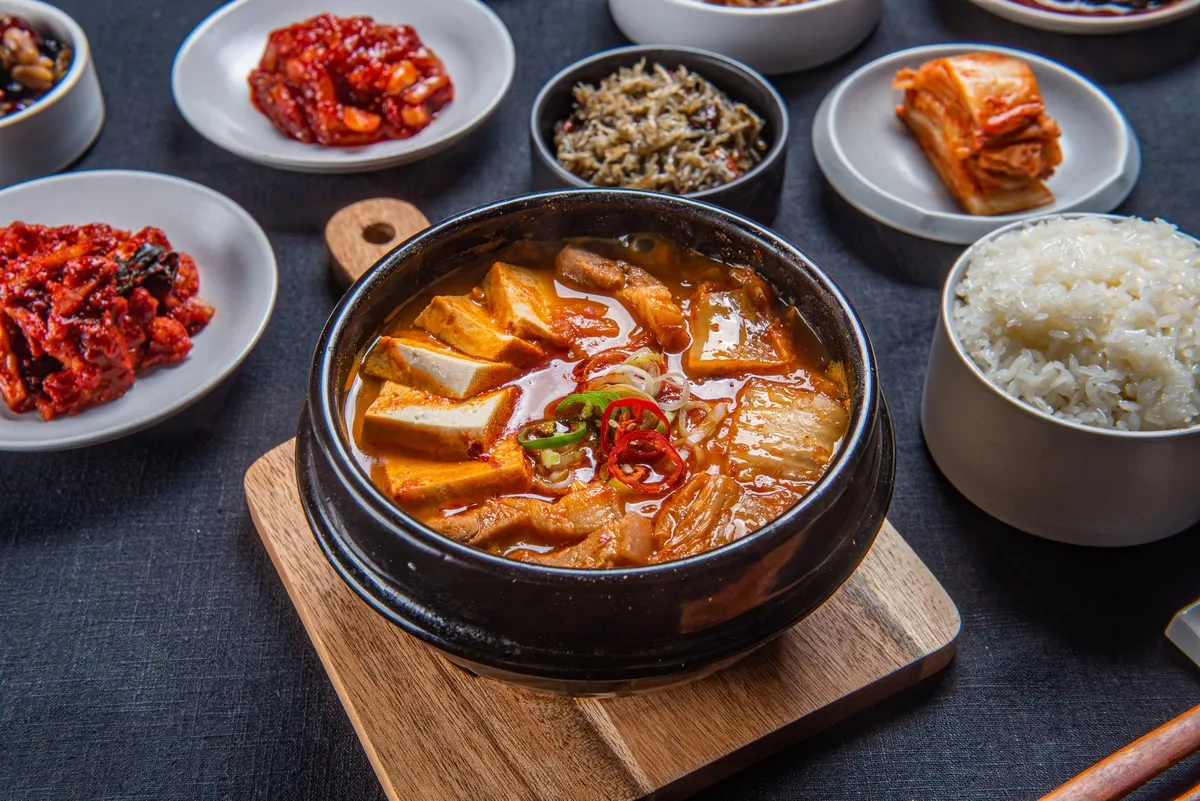
Korean cuisine is flavorful, diverse, and deeply tied to regional identity. Most meals include banchan (side dishes), rice, and often hot soup.
Must-Try Dishes (By City)
In Seoul, try samgyeopsal (grilled pork belly), often cooked right at your table, and kimchi jjigae, a spicy stew made with aged kimchi and tofu.
In Gyeongju, look for ssambap, a set meal with rice, leafy greens, and assorted side dishes you wrap together. Another local specialty is Hwangnam-ppang, small round pastries filled with sweet red bean paste, found in bakeries around the city.
In Busan, you'll find some of the freshest sashimi in Korea. Be sure to also try milmyeon (cold wheat noodles) and dwaeji gukbap, a hearty pork and rice soup that's especially popular in the region.
Popular Street Foods
Street food is everywhere in South Korea, especially in areas like Gwangjang Market (Seoul) or BIFF Square (Busan). Some favorites include:
- Tteokbokki: chewy rice cakes in spicy red sauce
- Hotteok: sweet pancakes filled with sugar, nuts, and cinnamon
- Odeng: fish cakes served in a warm, savory broth
- Bindaetteok: crispy mung bean pancakes, often served with dipping sauce
Vegetarian Tips
Korean cuisine often includes meat, seafood, or broth, even in dishes that may look vegetarian. If you're avoiding animal products, look for bibimbap (ask for no meat or egg), vegetable jeon (savory pancakes), or temple cuisine
Local Etiquette & Safety Tips
Korean society places strong emphasis on respect, cleanliness, and quiet public behavior. While visitors aren't expected to know every cultural nuance, following a few basic etiquette rules will go a long way and is genuinely appreciated by locals.
When entering homes, guesthouses, or traditional hanok stays, it's customary to remove your shoes at the entrance. At restaurants, there's no need to tip, service charges are included in your bill. However, certain dining habits are worth noting: don't stick your chopsticks upright in your rice, as this resembles a funeral ritual. If dining with locals or in a traditional setting, wait for the eldest person at the table to start eating before you begin.
You may also notice a lack of public trash bins, it's common to carry your trash with you until you find one.
In terms of safety, South Korea is one of the safest countries to visit, even at night. Solo travelers (including women) generally feel comfortable walking around in most urban and suburban areas. Emergency numbers to keep in mind are 112 for police and 119 for fire or medical help. Pharmacies are easy to find across the country, though English may be limited, especially in smaller cities.
Korean Phrases to Know for Travelers
You don't need to be fluent to enjoy your trip to South Korea but learning a few basic phrases can make your experience more enjoyable. Even simple greetings are warmly appreciated by locals, especially in places like restaurants, markets, or when asking for directions.
- 안녕하세요 (annyeonghaseyo): Hello
- 감사합니다 (gamsahamnida): Thank you
- 죄송합니다 (joesonghamnida): I'm sorry / Excuse me
- 영어 할 줄 아세요? (yeongeo haljul aseyo?): Do you speak English?
- 이해를 못 했어요. (ihaereul mot haesseoyo): I don't understand
- 화장실 어디에요? (hwajangsil eodiyeyo?): Where is the bathroom?
- 이거 얼마예요? (igeo eolmayeyo?): How much is this?
- 계산할게요 (gyesan halgeyo): I'd like to pay / Check, please
- 네 (ne) / 아니요 (aniyo): Yes / No
- 괜찮아요 (gwaenchana-yo): It's okay / No problem
- 도와주세요 (dowajuseyo): Please help me
Frequently Asked Questions (FAQ)
Is 7 days enough to visit Korea? ▾
Yes! One week is enough to explore 2 to 3 major regions, especially with the high-speed KTX train. A popular route includes Seoul, Gyeongju, and Busan.
Can I visit Jeju Island in a 1-week trip?▾
It's possible, but not recommended unless you skip Gyeongju or Busan. Jeju requires a flight and at least 2 full days to explore properly. Consider adding it to a 10+ day itinerary..
Do I need to speak Korean to travel in Korea? ▾
No. Major signs in cities and transport systems are in English, and staff at hotels or attractions often speak basic English. Learning a few Korean phrases is helpful and appreciated.
Is South Korea safe for solo female travelers? ▾
Yes. South Korea is considered very safe, including for solo travelers. Public spaces are well lit, and violent crime is rare. As always, basic precautions are advised.