%20--%3e%3cg%3e%3cg%20id='_레이어_1'%20data-name='레이어_1'%3e%3cg%3e%3cpath%20class='cls-2'%20d='M66.18,20.67c-2.35,0-3.55,1.02-3.58,2.42-.03,1.53,1.47,2.28,3.68,2.76l2.15.51c4.74,1.06,7.5,3.41,7.54,7.37-.03,4.67-3.65,7.5-9.79,7.5-4.46,0-7.79-1.48-9.31-4.46-.94-1.83.44-4,2.5-4h.13c1.05,0,1.97.63,2.45,1.57.68,1.35,2.18,2.04,4.17,2.04,2.46,0,3.92-1.09,3.96-2.66-.03-1.43-1.3-2.18-4.02-2.8l-2.59-.61c-4.26-.99-6.85-3.1-6.85-6.82-.03-4.57,4.02-7.64,9.62-7.64,3.56,0,6.33,1.22,7.91,3.25,1.4,1.8.05,4.43-2.23,4.43h0c-.92,0-1.78-.49-2.23-1.3-.56-1-1.74-1.56-3.48-1.56Z'/%3e%3cpath%20class='cls-2'%20d='M45.11,20.67c-2.35,0-3.55,1.02-3.58,2.42-.03,1.53,1.47,2.28,3.68,2.76l2.15.51c4.74,1.06,7.5,3.41,7.54,7.37-.03,4.67-3.65,7.5-9.79,7.5-4.46,0-7.79-1.48-9.31-4.46-.94-1.83.44-4,2.5-4h.13c1.05,0,1.97.63,2.45,1.57.68,1.35,2.18,2.04,4.17,2.04,2.46,0,3.92-1.09,3.96-2.66-.03-1.43-1.3-2.18-4.02-2.8l-2.59-.61c-4.26-.99-6.85-3.1-6.85-6.82-.03-4.57,4.02-7.64,9.62-7.64,3.56,0,6.33,1.22,7.91,3.25,1.4,1.8.05,4.43-2.23,4.43h0c-.92,0-1.78-.49-2.23-1.3-.56-1-1.74-1.56-3.48-1.56Z'/%3e%3cpath%20class='cls-2'%20d='M89.11,41.24c-6.65,0-11.73-4.57-11.73-12.69s5.08-12.69,11.73-12.69,11.73,4.54,11.73,12.69-5.12,12.69-11.73,12.69ZM89.11,20.98c-3.61,0-5.8,2.66-5.8,7.57s2.18,7.57,5.8,7.57,5.8-2.66,5.8-7.57-2.18-7.57-5.8-7.57Z'/%3e%3cpath%20class='cls-2'%20d='M121.37,19.11c-.01.13-.02.25-.03.38v.06c0,.13,0,.25,0,.36v5.95h5.94c.28,0,.56,0,.82-.03,2.89-.29,5.19-2.59,5.47-5.48.18-1.85-.46-3.66-1.77-4.96-1.3-1.3-3.11-1.95-4.96-1.76-2.89.29-5.19,2.59-5.47,5.47Z'/%3e%3cg%3e%3cpath%20class='cls-1'%20d='M153.63,16.2c1.6,0,2.9,1.3,2.9,2.9v13.03c0,5.52-4.19,9.11-10.4,9.11s-10.4-3.58-10.4-9.11v-13.03c0-1.6,1.3-2.9,2.9-2.9h0c1.6,0,2.9,1.3,2.9,2.9v12.55c0,2.63,1.88,4.5,4.6,4.5s4.57-1.88,4.57-4.5v-12.55c0-1.6,1.3-2.9,2.9-2.9h.03Z'/%3e%3cpath%20class='cls-1'%20d='M171.03,20.98c-3.65,0-5.87,2.76-5.87,7.57s2.28,7.57,5.83,7.57c2.05,0,3.61-.85,4.43-2.35.5-.92,1.47-1.5,2.52-1.49h0c2.19.01,3.52,2.46,2.31,4.29-1.75,2.65-4.9,4.67-9.36,4.67-6.68,0-11.66-4.57-11.66-12.69s5.08-12.69,11.66-12.69c4.38,0,7.9,1.82,9.69,5.14,1,1.85-.34,4.1-2.44,4.1h-.12c-1.1,0-2.08-.63-2.56-1.62-.77-1.57-2.32-2.51-4.43-2.51Z'/%3e%3cpath%20class='cls-1'%20d='M185.86,16.2h1.32c1.24,0,2.24,1,2.24,2.24v8.3h.34l6.91-8.79c.87-1.1,2.19-1.75,3.6-1.75h0c1.88,0,2.92,2.17,1.75,3.64l-4.9,6.11c-.61.76-.66,1.82-.13,2.63l5.8,8.85c.98,1.49-.09,3.47-1.87,3.47h-1.58c-.77,0-1.48-.39-1.89-1.04l-3.91-6.13c-.82-1.29-2.67-1.39-3.63-.2h0c-.32.4-.5.9-.5,1.41v3.72c0,1.24-1,2.24-2.24,2.24h-1.32c-1.24,0-2.24-1-2.24-2.24v-20.21c0-1.24,1-2.24,2.24-2.24Z'/%3e%3cpath%20class='cls-1'%20d='M131.92,34.3c-.29-2.94-2.67-5.32-5.61-5.61-.13-.01-.26-.02-.38-.03h0s-.07,0-.07,0c-.12,0-.25,0-.37,0h-6.09v6.09c0,.27,0,.55.03.83.29,2.94,2.67,5.32,5.61,5.61,3.97.39,7.29-2.92,6.89-6.89Z'/%3e%3cpath%20class='cls-1'%20d='M118.64,34.76v-6.09h-6.09c-.12,0-.25,0-.37,0h-.07c-.13,0-.26.01-.38.03-2.94.29-5.32,2.67-5.61,5.61-.39,3.97,2.92,7.29,6.89,6.89,2.94-.29,5.32-2.67,5.61-5.61.03-.28.04-.56.03-.83Z'/%3e%3cpath%20class='cls-1'%20d='M118.62,21.89c0-.27,0-.55-.03-.83-.29-2.94-2.67-5.32-5.61-5.61-3.97-.39-7.29,2.92-6.89,6.89.29,2.94,2.67,5.32,5.61,5.61.13.01.26.02.38.03h0s.06,0,.06,0c.13,0,.26,0,.38,0h6.09v-6.09Z'/%3e%3c/g%3e%3c/g%3e%3c/g%3e%3c/g%3e%3c/svg%3e)
Blog
Imjingak Park Guide: What to See & Do Near the Korean DMZ
Imjingak Park is located about seven kilometers north of Paju in Gyeonggi Province, near the Korean Demilitarized Zone (DMZ). Built in 1972, the park was established to comfort South Koreans who were separated from their families during the Korean War. Today, Imjingak serves as a symbolic site for peace and reunification between North and South Korea. The park features a variety of monuments, museums, and observation points, including the Freedom Bridge and the Mangbaedan Altar.
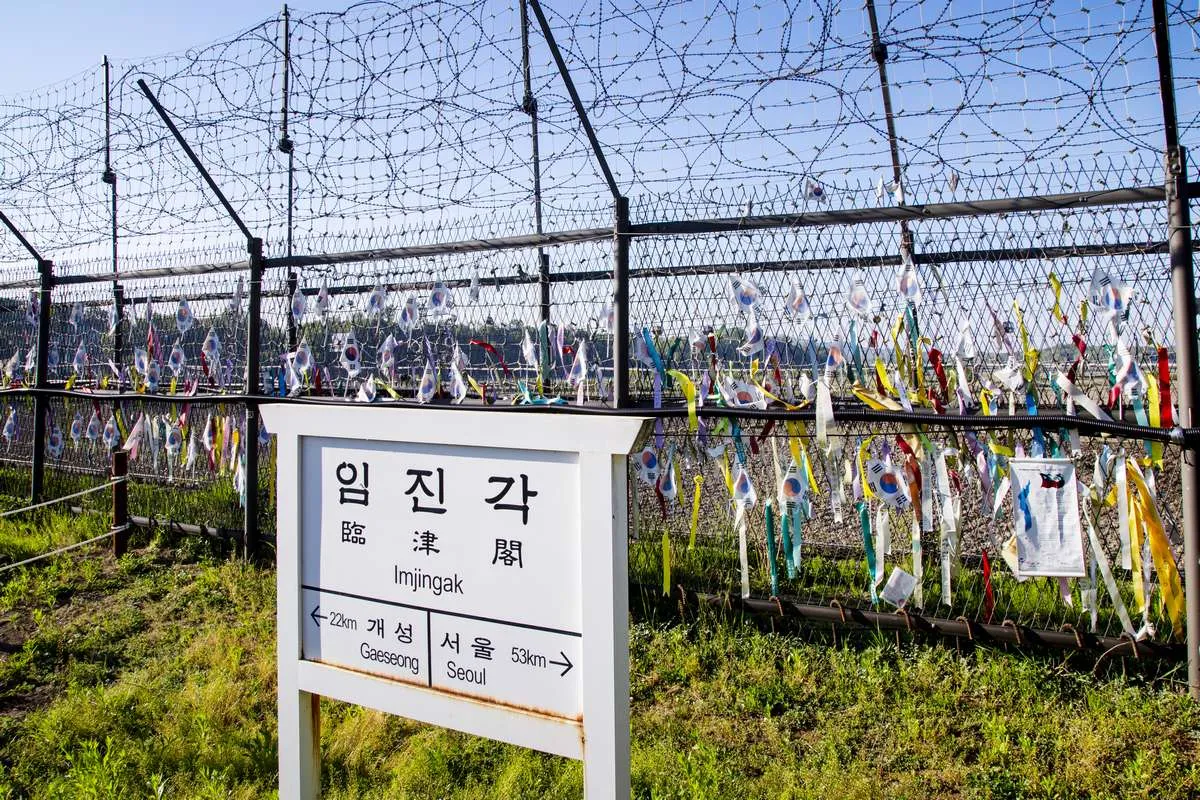
Top 12 things to see at Imjingak Park
1. Freedom Bridge
Located near the main entrance of Imjingak Park, the Freedom Bridge is one of its most historically significant landmarks. Built in 1953, the bridge was used to welcome back 12,773 prisoners of war returning from North Korea after the Korean War.
Originally, two railway bridges stood at the site, but one was destroyed during the war. A temporary wooden structure was added to the southern end, and the remaining span was repaired to complete the crossing. Today, the bridge is no longer in use but has been preserved as a memorial and registered as Gyeonggi-do Monument No. 162. It remains a powerful symbol of the hope for peace and reunification
2. Dokgae Bridge
Dokgae Bridge was once part of the old Gyeongui Railway Line and was destroyed during the Korean War. In 2016, the bridge was reconstructed using the original war-damaged piers and converted into a pedestrian walkway.
The structure now stretches 105 meters in length and 5 meters in width. It features a glass-floored section that allows visitors to see bullet shells and fragments from the war below. Inside the bridge, visitors can also find vintage luggage, wooden benches, and video clips recreating the journey once taken by train passengers.
Dokgae Bridge is located within the Civilian Control Zone (CCZ), and photography is restricted in certain areas, except at the northern end.
Admission:
- Adults: ₩2,000
- Children: ₩1,000
3. Mangbaedan Altar
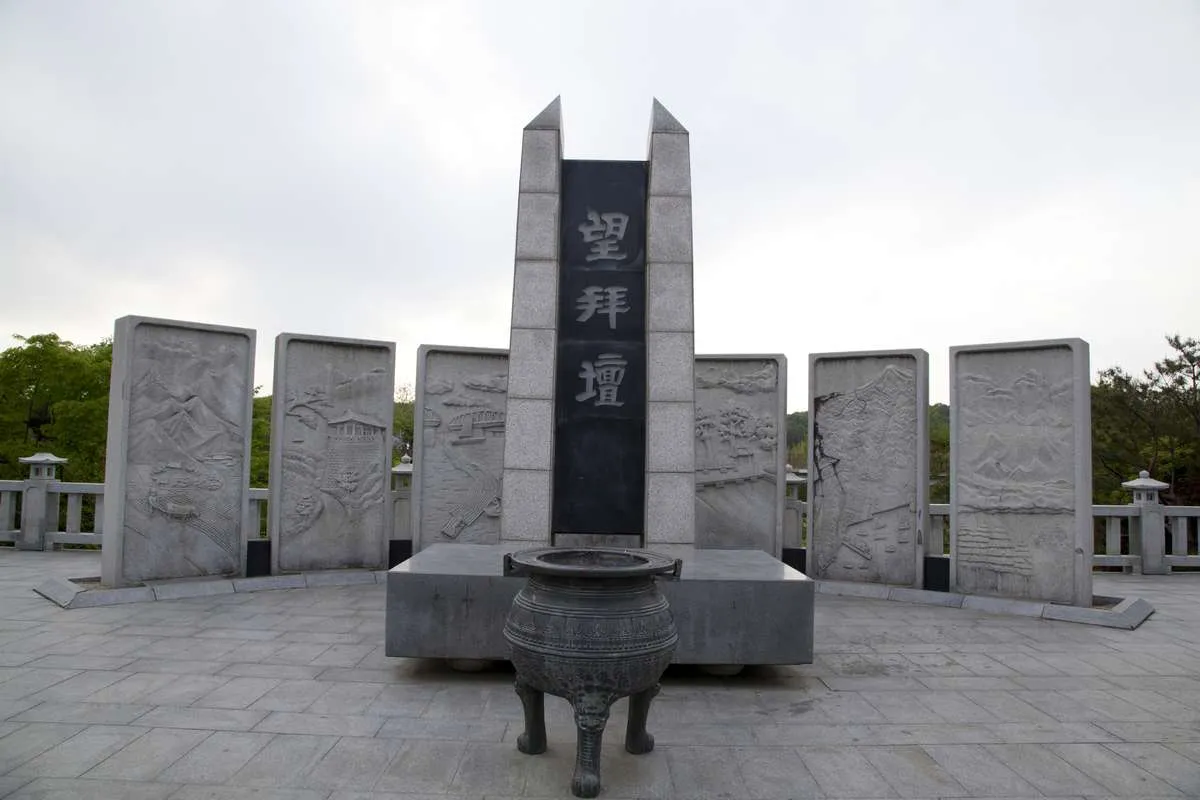
Mangbaedan Altar is located a short walk from the main plaza and faces toward North Korea. Built in 1985, the altar was created for South Koreans separated from their families during the Korean War.
On major holidays such as Seollal (Lunar New Year) and Chuseok (Korean Thanksgiving), visitors come to perform ancestral rites. Facing north, they bow in the direction of their hometowns to honor family members they have not seen in decades.
4. BEAT 131: Bunker Exhibition
Located in a former military bunker, BEAT 131 is an underground exhibition space that blends history with interactive media art. Despite its transformation, the site retains much of its original structure and atmosphere.
The exhibits focus on local history, including the Imjin River, the Freedom Bridge, the Gyeongui Line, and the nearby steam locomotive. Visitors can engage with digital installations and video displays throughout the space.
Admission:
- Adults: ₩1,000
- Children: ₩1,000
Combo Ticket (includes Dokgae Bridge):
- Adults: ₩2,500
- Children: ₩1,500
5. Imjingak Pavilion
Imjingak Pavilion is located next to the bunker and serves as a cultural rest area and observation point. Inside, visitors can find exhibits and seating areas. The rooftop observatory provides a clear view toward the Demilitarized Zone (DMZ), making it a popular photo spot.
6. Peace Bell
The Peace Bell was installed on January 1, 2000, and was rung 21 times at midnight to welcome the 21st century. The bell weighs 21 tons and stands 3.4 meters tall. It is housed in a traditional-style pavilion within the park.
The bell represents the hopes of Gyeonggi Province's 9 million residents for lasting peace and the reunification of the Korean Peninsula.
7. Old Steam Locomotive
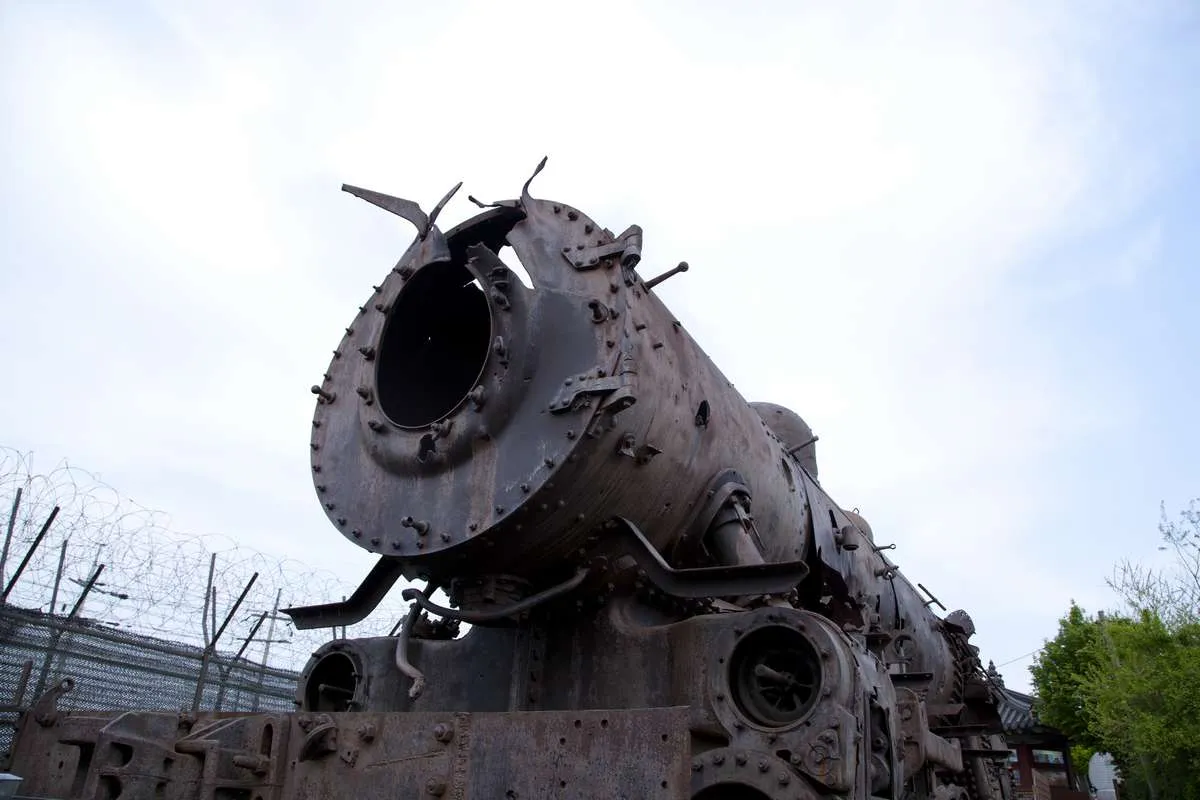
One of the park's most symbolic displays is a steam locomotive from the former Gyeongui Line. Registered as Cultural Property No. 78, the train was left abandoned in the Demilitarized Zone (DMZ) for over 50 years before being moved to Imjingak Park in 2007.
The locomotive is heavily damaged, with over 1,000 bullet holes still visible on its surface. Its bent wheels and worn frame reflect the violence of the conflict. According to historical records, the train was transporting military supplies from Gaeseong to Pyongyang when it was forced to retreat and ultimately destroyed during Chinese intervention in the Korean War.
8. Imjingak Peace Gondola
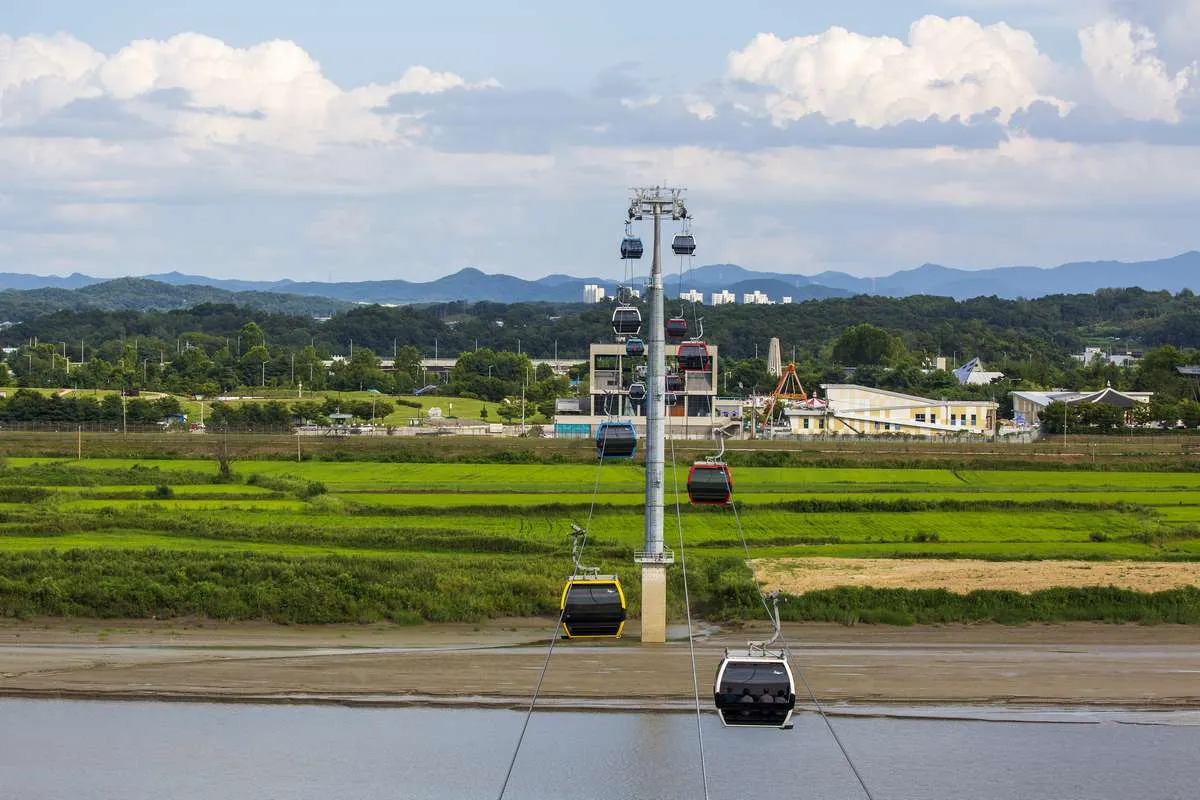
The Imjingak Peace Gondola is a cable car that crosses the Civilian Control Zone (CCZ), connecting the park to Camp Greaves, a former U.S. military base now repurposed as a cultural site. The round-trip spans 1.7 kilometers, with glass cabins offering panoramic views of the surrounding landscape.
From the gondola, passengers can see the Jangdan Peninsula, Bukhansan Mountain, Freedom Bridge, and Imjingak Pavilion. Two types of cabins are available: standard and crystal. Crystal cabins feature transparent floors and are reserved for individual groups, allowing for shorter wait times and added privacy.
At the upper station, visitors can explore Gallery Greaves, located in a former U.S. military bowling alley. Exhibits focus on peace and military history. Nearby, the Wish Ribbon Wall invites visitors to write messages of peace and reunification. A short walk further leads to the Imjingang River Peace
Important Notes
A valid ID is required to enter the CCZ. Visitors must sign a security agreement before boarding.
Pets are not allowed on the gondola.
Ticket Prices:
Standard Cabin:
Adults: ₩12,000
Children: ₩10,000
Crystal Cabin:
Adults: ₩15,000
Children: ₩13,000
You can also buy a combo ticket that includes:
- The gondola round trip
- Entry to Camp Greaves Gallery (limited access to only one building)
Note: Full access to Camp Greaves requires an additional on-site payment.
9. Pyeonghwa Land
Pyeonghwa Land is a small amusement park located within walking distance of the Freedom Bridge and Imjingak Pavilion. Opened in 2001, the park features around 20 classic rides, including a carousel, bumper cars, and a Viking ship. It offers a lighthearted break for families and children visiting the area.
10. Pyeonghwa Nuri Park
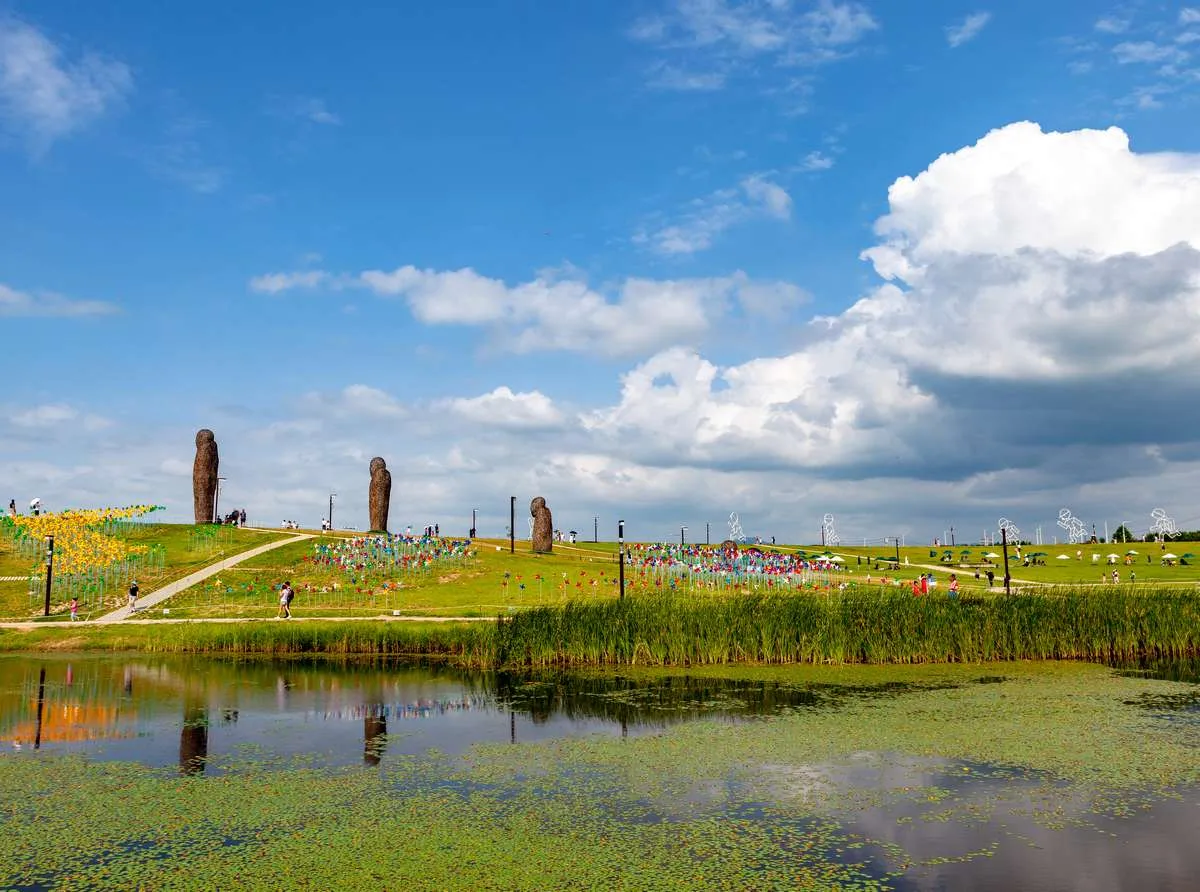
Peace Nuri Park is a large open space designed for walking, relaxing, and enjoying art installations inspired by themes of peace and reunification. The park features wide lawns and a number of creative sculptures throughout the grounds.
One of the most popular spots is the Hill of Wind, where more than 3,000 colorful pinwheels spin in the breeze. Nearby, the Calling for Unification installation presents tall bamboo figures in human form. Another highlight is the Peace Pin, created by actor Lee Gwang-gi with the message "Peace begins here."
The park also includes FOURB Café, a floating café that provides a scenic place to rest and enjoy a drink or snack.
11. The 3rd Tunnel
The 3rd Tunnel of Aggression was discovered by South Korea in 1978, based on information provided by a North Korean defector four years earlier. The tunnel revealed North Korea's intention to infiltrate the South through underground passageways beneath the Demilitarized Zone (DMZ).
The tunnel is 1,635 meters long and approximately 2 meters high and wide. Visitors are allowed to walk through a 265-meter section of the tunnel. Due to its steep slope and low ceiling, the walk can be physically demanding. For those who prefer, access by monorail is also available.
12. Dora Observatory
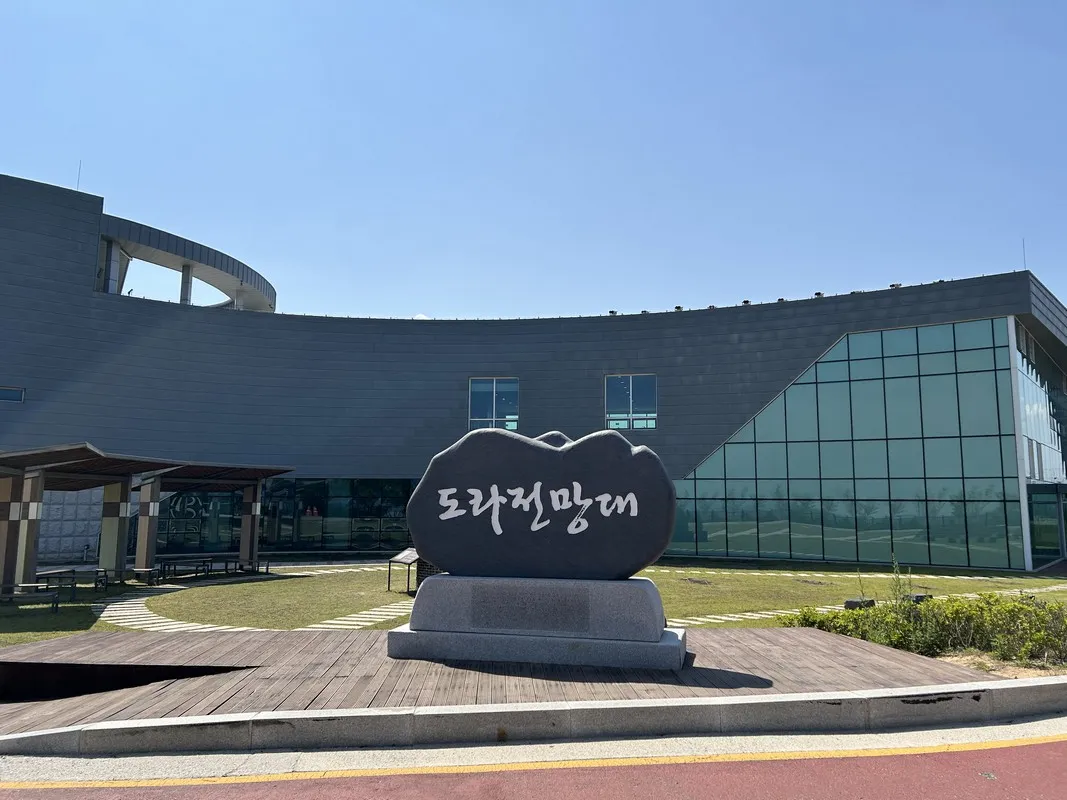
Dora Observatory is located within the Demilitarized Zone (DMZ) on Dorasan Mountain. The site features an outdoor viewing platform where visitors can observe parts of North Korea through free-to-use telescopes.
Visible landmarks include the Gaeseong Industrial Complex, Mount Songaksan, and even a statue of Kim Il-sung. The facility also includes rest areas and a cafeteria for visitors taking a break.
Access Information
The 3rd Tunnel and Dora Observatory are only accessible via a separate shuttle tour, which typically departs from the Imjingak area. Tickets must be purchased in advance from a designated booth near the departure point.
- A valid ID or passport is required for ticketing and boarding.
- Entry may be denied without proper identification.
- Tour availability may be affected by political or security-related developments.
Guided DMZ Tours
Several guided tours are available for those who wish to explore Imjingak Park and the surrounding DMZ without worrying about transportation or planning. These tours typically include key sites such as the 3rd Tunnel, Dora Observatory, and other cultural landmarks.
Recommended Tours:
DMZ Tour from Incheon or Myeongdong
DMZ & Heyri Art Village Full-Day Tour
A Day at the Edge: DMZ + Aegibong Observatory & Aegibong Starbucks
Visitor Information
Address
177 Imjingak-ro, Munsan-eup, Paju-si, Gyeonggi-do, South Korea
By Subway
Take the Gyeongui–Jungang Line to Imjingang Station, Exit 1. From there, the park is approximately a 5-minute walk.