SejongGongju
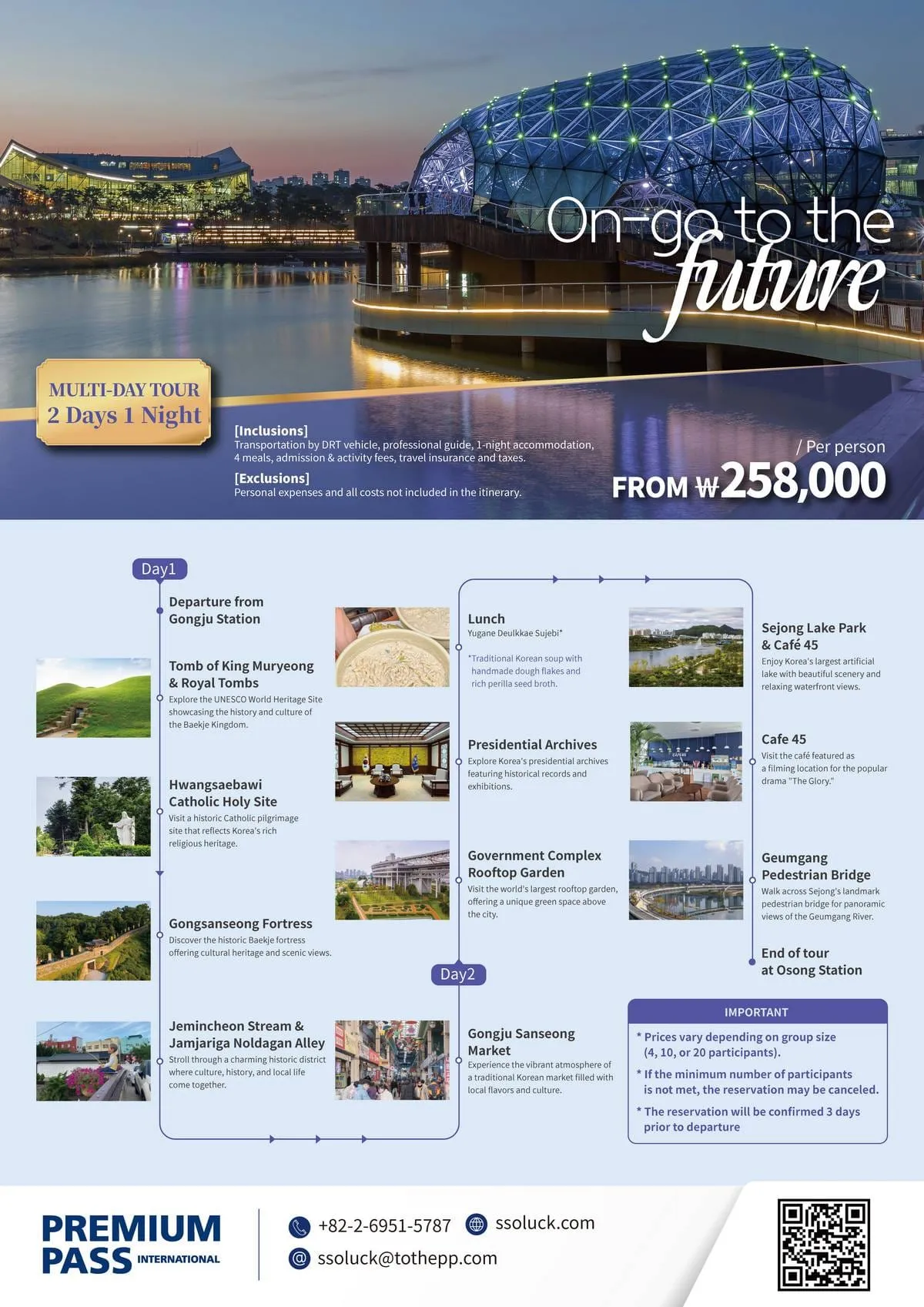
[DRT] On-go to the Future
$342.65


%20--%3e%3cg%3e%3cg%20id='_레이어_1'%20data-name='레이어_1'%3e%3cg%3e%3cpath%20class='cls-2'%20d='M66.18,20.67c-2.35,0-3.55,1.02-3.58,2.42-.03,1.53,1.47,2.28,3.68,2.76l2.15.51c4.74,1.06,7.5,3.41,7.54,7.37-.03,4.67-3.65,7.5-9.79,7.5-4.46,0-7.79-1.48-9.31-4.46-.94-1.83.44-4,2.5-4h.13c1.05,0,1.97.63,2.45,1.57.68,1.35,2.18,2.04,4.17,2.04,2.46,0,3.92-1.09,3.96-2.66-.03-1.43-1.3-2.18-4.02-2.8l-2.59-.61c-4.26-.99-6.85-3.1-6.85-6.82-.03-4.57,4.02-7.64,9.62-7.64,3.56,0,6.33,1.22,7.91,3.25,1.4,1.8.05,4.43-2.23,4.43h0c-.92,0-1.78-.49-2.23-1.3-.56-1-1.74-1.56-3.48-1.56Z'/%3e%3cpath%20class='cls-2'%20d='M45.11,20.67c-2.35,0-3.55,1.02-3.58,2.42-.03,1.53,1.47,2.28,3.68,2.76l2.15.51c4.74,1.06,7.5,3.41,7.54,7.37-.03,4.67-3.65,7.5-9.79,7.5-4.46,0-7.79-1.48-9.31-4.46-.94-1.83.44-4,2.5-4h.13c1.05,0,1.97.63,2.45,1.57.68,1.35,2.18,2.04,4.17,2.04,2.46,0,3.92-1.09,3.96-2.66-.03-1.43-1.3-2.18-4.02-2.8l-2.59-.61c-4.26-.99-6.85-3.1-6.85-6.82-.03-4.57,4.02-7.64,9.62-7.64,3.56,0,6.33,1.22,7.91,3.25,1.4,1.8.05,4.43-2.23,4.43h0c-.92,0-1.78-.49-2.23-1.3-.56-1-1.74-1.56-3.48-1.56Z'/%3e%3cpath%20class='cls-2'%20d='M89.11,41.24c-6.65,0-11.73-4.57-11.73-12.69s5.08-12.69,11.73-12.69,11.73,4.54,11.73,12.69-5.12,12.69-11.73,12.69ZM89.11,20.98c-3.61,0-5.8,2.66-5.8,7.57s2.18,7.57,5.8,7.57,5.8-2.66,5.8-7.57-2.18-7.57-5.8-7.57Z'/%3e%3cpath%20class='cls-2'%20d='M121.37,19.11c-.01.13-.02.25-.03.38v.06c0,.13,0,.25,0,.36v5.95h5.94c.28,0,.56,0,.82-.03,2.89-.29,5.19-2.59,5.47-5.48.18-1.85-.46-3.66-1.77-4.96-1.3-1.3-3.11-1.95-4.96-1.76-2.89.29-5.19,2.59-5.47,5.47Z'/%3e%3cg%3e%3cpath%20class='cls-1'%20d='M153.63,16.2c1.6,0,2.9,1.3,2.9,2.9v13.03c0,5.52-4.19,9.11-10.4,9.11s-10.4-3.58-10.4-9.11v-13.03c0-1.6,1.3-2.9,2.9-2.9h0c1.6,0,2.9,1.3,2.9,2.9v12.55c0,2.63,1.88,4.5,4.6,4.5s4.57-1.88,4.57-4.5v-12.55c0-1.6,1.3-2.9,2.9-2.9h.03Z'/%3e%3cpath%20class='cls-1'%20d='M171.03,20.98c-3.65,0-5.87,2.76-5.87,7.57s2.28,7.57,5.83,7.57c2.05,0,3.61-.85,4.43-2.35.5-.92,1.47-1.5,2.52-1.49h0c2.19.01,3.52,2.46,2.31,4.29-1.75,2.65-4.9,4.67-9.36,4.67-6.68,0-11.66-4.57-11.66-12.69s5.08-12.69,11.66-12.69c4.38,0,7.9,1.82,9.69,5.14,1,1.85-.34,4.1-2.44,4.1h-.12c-1.1,0-2.08-.63-2.56-1.62-.77-1.57-2.32-2.51-4.43-2.51Z'/%3e%3cpath%20class='cls-1'%20d='M185.86,16.2h1.32c1.24,0,2.24,1,2.24,2.24v8.3h.34l6.91-8.79c.87-1.1,2.19-1.75,3.6-1.75h0c1.88,0,2.92,2.17,1.75,3.64l-4.9,6.11c-.61.76-.66,1.82-.13,2.63l5.8,8.85c.98,1.49-.09,3.47-1.87,3.47h-1.58c-.77,0-1.48-.39-1.89-1.04l-3.91-6.13c-.82-1.29-2.67-1.39-3.63-.2h0c-.32.4-.5.9-.5,1.41v3.72c0,1.24-1,2.24-2.24,2.24h-1.32c-1.24,0-2.24-1-2.24-2.24v-20.21c0-1.24,1-2.24,2.24-2.24Z'/%3e%3cpath%20class='cls-1'%20d='M131.92,34.3c-.29-2.94-2.67-5.32-5.61-5.61-.13-.01-.26-.02-.38-.03h0s-.07,0-.07,0c-.12,0-.25,0-.37,0h-6.09v6.09c0,.27,0,.55.03.83.29,2.94,2.67,5.32,5.61,5.61,3.97.39,7.29-2.92,6.89-6.89Z'/%3e%3cpath%20class='cls-1'%20d='M118.64,34.76v-6.09h-6.09c-.12,0-.25,0-.37,0h-.07c-.13,0-.26.01-.38.03-2.94.29-5.32,2.67-5.61,5.61-.39,3.97,2.92,7.29,6.89,6.89,2.94-.29,5.32-2.67,5.61-5.61.03-.28.04-.56.03-.83Z'/%3e%3cpath%20class='cls-1'%20d='M118.62,21.89c0-.27,0-.55-.03-.83-.29-2.94-2.67-5.32-5.61-5.61-3.97-.39-7.29,2.92-6.89,6.89.29,2.94,2.67,5.32,5.61,5.61.13.01.26.02.38.03h0s.06,0,.06,0c.13,0,.26,0,.38,0h6.09v-6.09Z'/%3e%3c/g%3e%3c/g%3e%3c/g%3e%3c/g%3e%3c/svg%3e)
1. Product Information
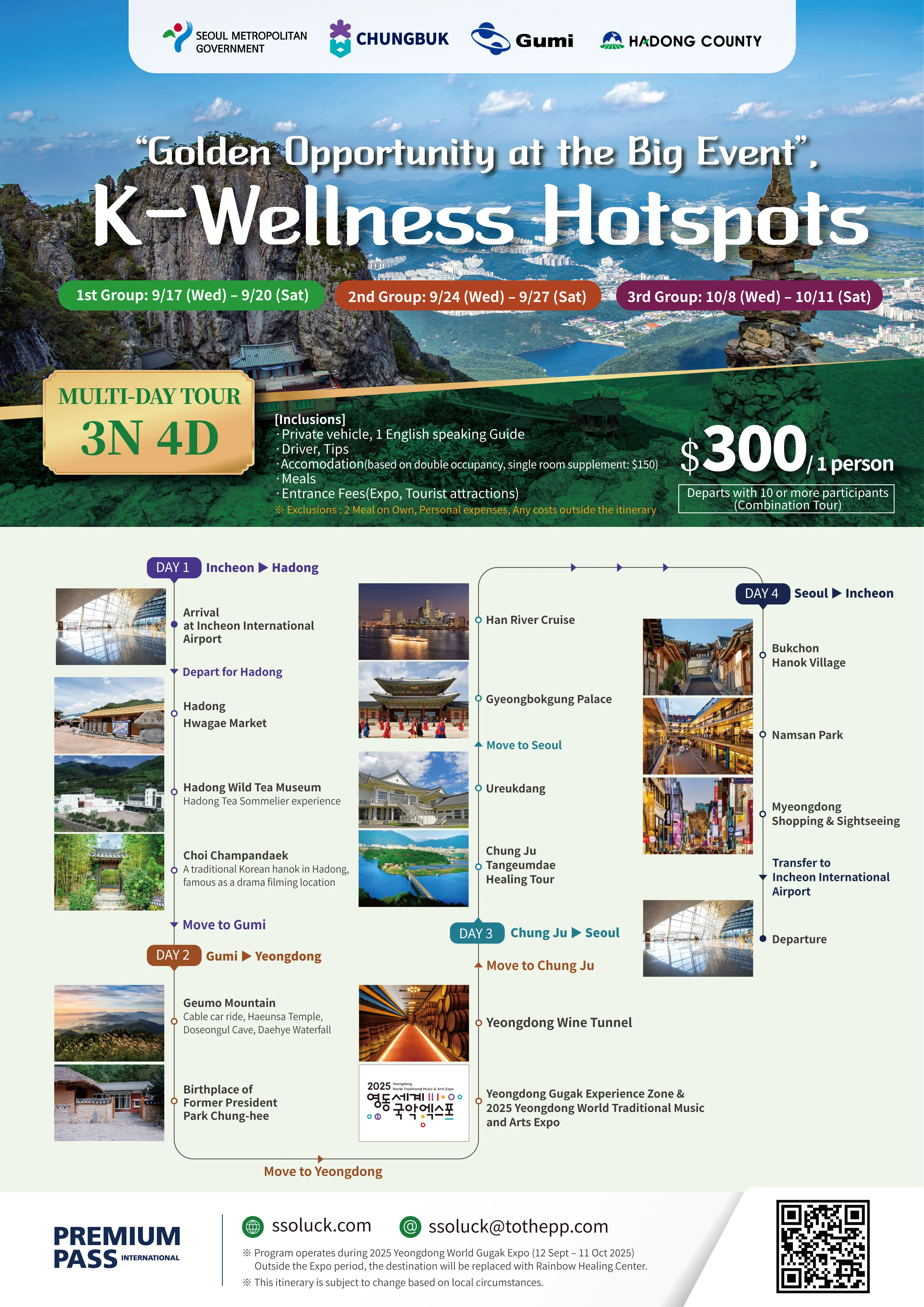
Category | Details |
Traveler Type | Foreigners |
Tour Duration | 4 Days / 3 Nights |
Tour Region | Hadong, Yeongdong, Gumi, Seoul |
Included | - Private vehicle - Guide - Driver and Guide Tips - Accomodation(based on double occupancy, single room supplement: $150) - Meals - Entrance Fees(Expo, Tourist attractions) |
Minimum Participants | 10 people |
Not Included | - 2 Meal on Own - Personal expenses - Any costs outside the itinerary |
※ 1st Group: 9/17 (Wed) – 9/20 (Sat)
※ 2nd Group: 9/24 (Wed) – 9/27 (Sat)
※ 3rd Group: 10/8 (Wed) – 10/11 (Sat)
※ This product is offered in conjunction with the 2025 Yeongdong World Traditional Music Expo and is available for use during the event period (September 12 – October 11, 2025).
※ This itinerary is subject to change based on local circumstances.
2. Itinerary
Day 1
Time | Activity | Remarks |
07:50 | Meet the Guide at the Airport | Incheon International Airport |
08:00~12:00 | Transfer (Seoul → Hadong) | By vehicle |
12:00~13:30 | Hwagae Market & Lunch | Local cuisine |
13:30~13:40 | Transfer (Hwagae Market → Hadong Wild Tea Museum) | By vehicle |
13:40~15:00 | Hadong Wild Tea Museum | * Closed on Mondays |
15:00~15:30 | Transfer(Hadong Wild Tea Museum → Choi Champan's House) | By vehicle |
15:30~16:30 | Choi Champan's House | entrance fee included |
16:30~17:10 | Transfer(Choi Champan's House → place for dinner) | By vehicle |
17:10~18:10 | Dinner | Local cuisine |
18:30~ | Hotel Check-in | Hotel Bombom |
Day 2
Time | Activity | Remarks |
08:00 | Hotel Check-out | gather in the lobby |
08:10~10:30 | Transfer(Hadong → Gumi) | By vehicle |
10:30~12:00 | Geumosan Cable Car | Cable Car Ticket Price included |
12:00~12:40 | Lunch | Local cuisine |
12:40~13:00 | Transfer | By vehicle |
13:00~13:30 | President Park Chung-hee's Birthplace |
|
13:30~14:40 | Transfer(Gumi → Yeongdong) | By vehicle |
14:40~15:30 | Yeongdong Gugak Experience Village&Yeongdong World Traditional Music and Arts Expo Tour | Admission fee included |
15:30~16:30 | Yeongdong Wine Tunnel | Admission fee included * Closed on Mondays |
16:30~18:30 | Transfer(Yeongdong → Chung Ju ) | By vehicle |
20:30~ | Hotel Check-in |
|
Day 3
Time | Activity | Remarks |
~09:00 | Hotel Check-out | gather in the lobby |
09:10 ~ 10:20 | Chungju Tangeumdae · Healing Meditation Tour |
|
10:30 ~12:00 | Ureukdang | |
12:00 ~ 13:00 | Lunch | Local cuisine |
13:00 ~ 15:00 | Transfer(Chung Ju → Seoul) | By vehicle |
15:00 ~ 17:30 | Gyeongbokgung Palace | Admission fee included |
17:30 ~ 18:20 | Dinner | on their own meal |
18:20 ~ 18:40 | Transfer | By vehicle |
19:00 ~ 20:10 | Han River Cruise (Moolight music cruise) | cruise ticket price included |
19:30 ~ 20:00 | Transfer | By vehicle |
20:00~ | Hotel Check-in |
|
Day 4
Time | Activity | Remarks |
~08:40 | Hotel Check-out |
|
09:00 ~ 10:00 | Bukchon Hanok Village |
|
10:00 ~ 10:20 | Transfer | By vehicle |
10:20 ~ 11:30 | Namsan Park |
|
11:30 ~ 11:40 | Transfer | By vehicle |
11:40 ~ 13:30 | Myeongdong Shopping & Sightseeing and Lunch Time | on their own meal |
13:30 ~ 15:00 | Transfer to Incheon International Airport | Admission fee included |
※ This itinerary may be subject to change depending on the specific flight schedule.
3. Itinerary Information
1 화개장터/Hwagae Market
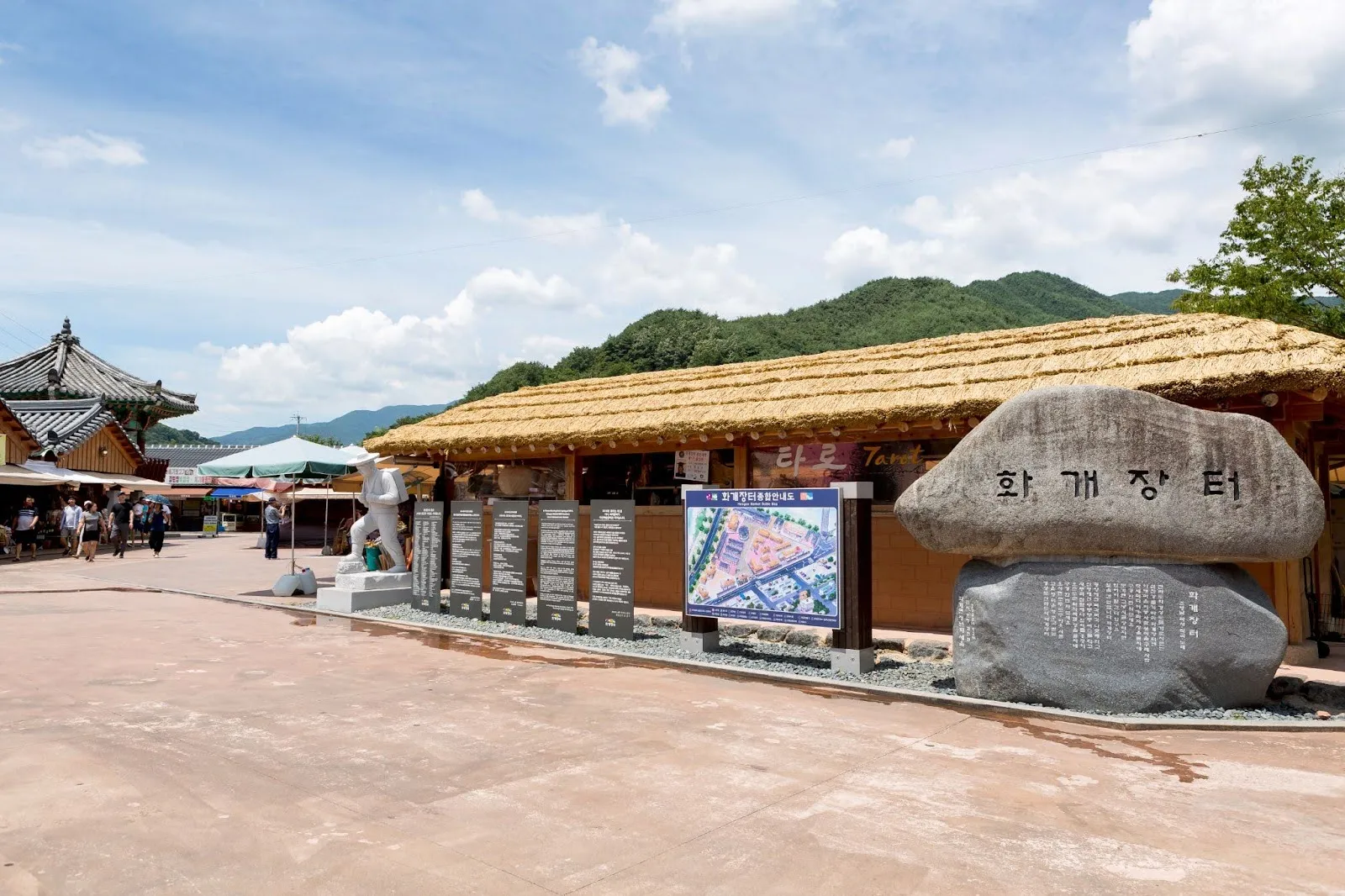
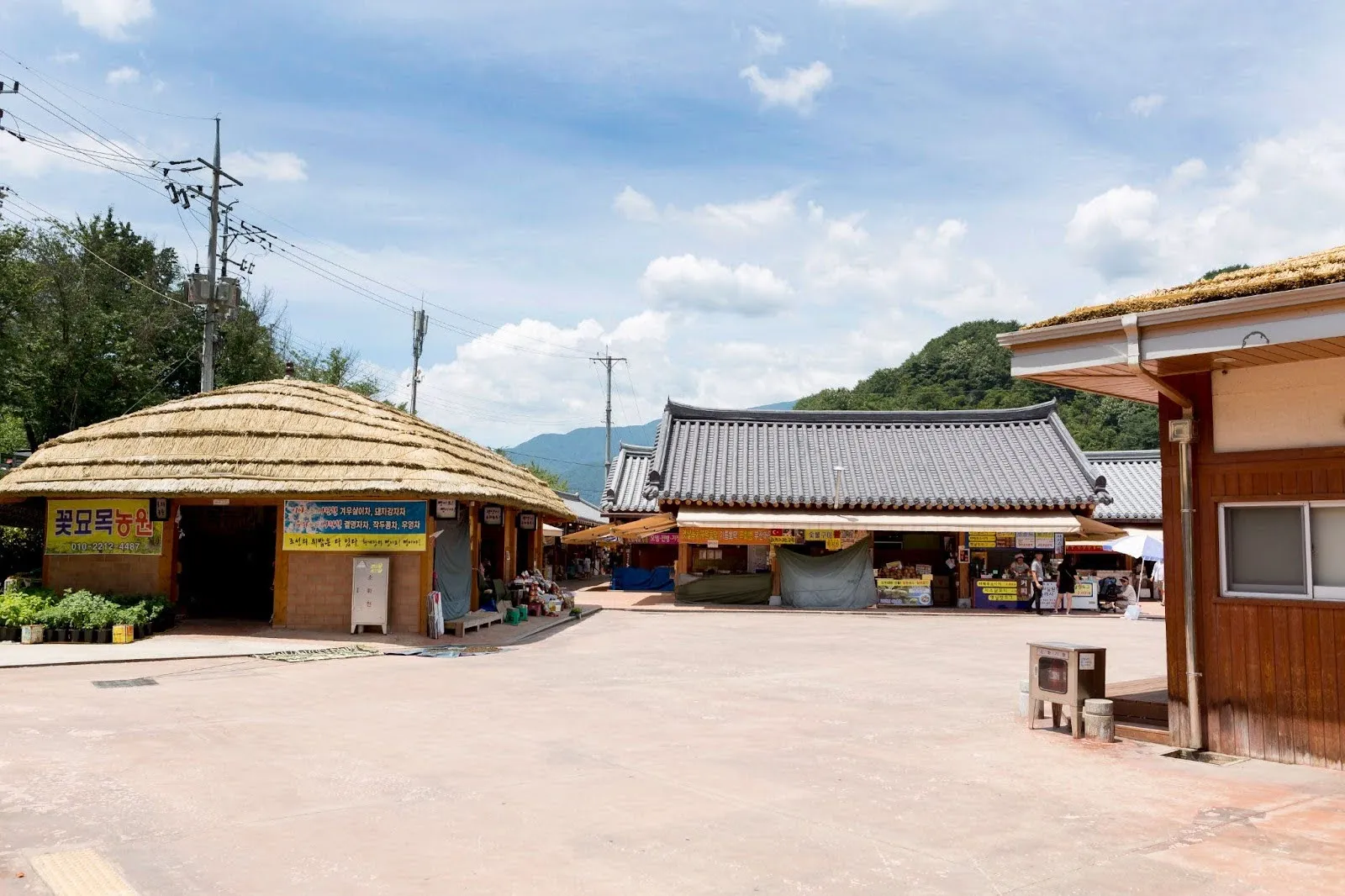 Hwagae Market was once one of the seven largest traditional markets in Korea, bustling with people and trade. Today, while the market is smaller and more intimate, it remains a charming destination for visitors. Located near a scenic cherry blossom path, it is often visited along with Ssanggyesa Temple and Jirisan Mountain. The market offers a variety of local products and delicacies, providing a taste of traditional Korean market culture that is rare to find today.
2) 하동야생차박물관/Hadong Wild Tea Museum
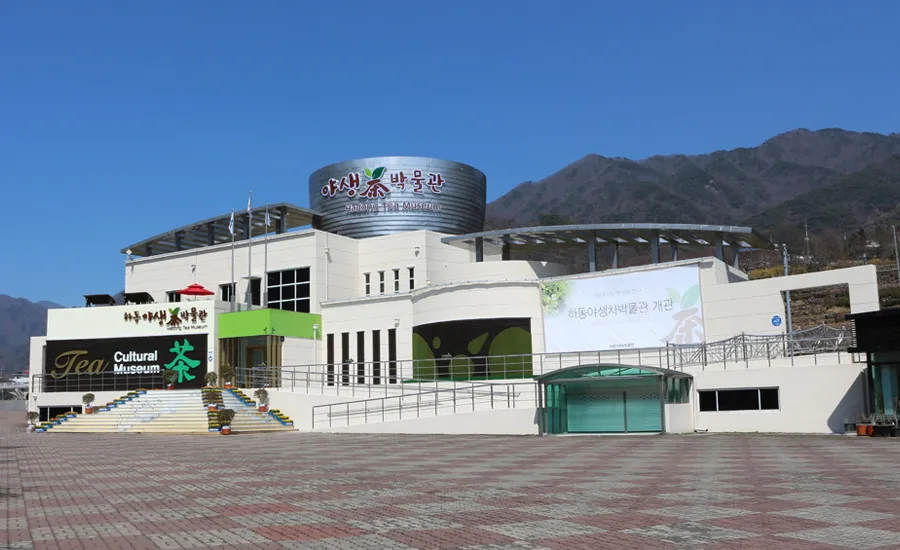 The Hadong Tea Museum is located at the foot of Jirisan Mountain in Hadong, Gyeongsangnam-do. It aims to promote the tea culture of the area, the first tea producer in the nation, while advertising the quality and superiority of Hadong green tea. The center is located adjacent to the tea farming area and Ssanggyesa Temple, one of the most famous tourist attractions in Korea. The museum features an exhibition hall explaining the history and culture associated with Korean tea, and an experience hall where visitors can enjoy hands-on programs like making tea and learning traditional tea etiquette, as well as a shop selling high-quality tea produced in the region. Every year, the museum also hosts the Hadong Wild Tea & Culture Festival every year.
3) 최참판댁/ Choi Champan's House
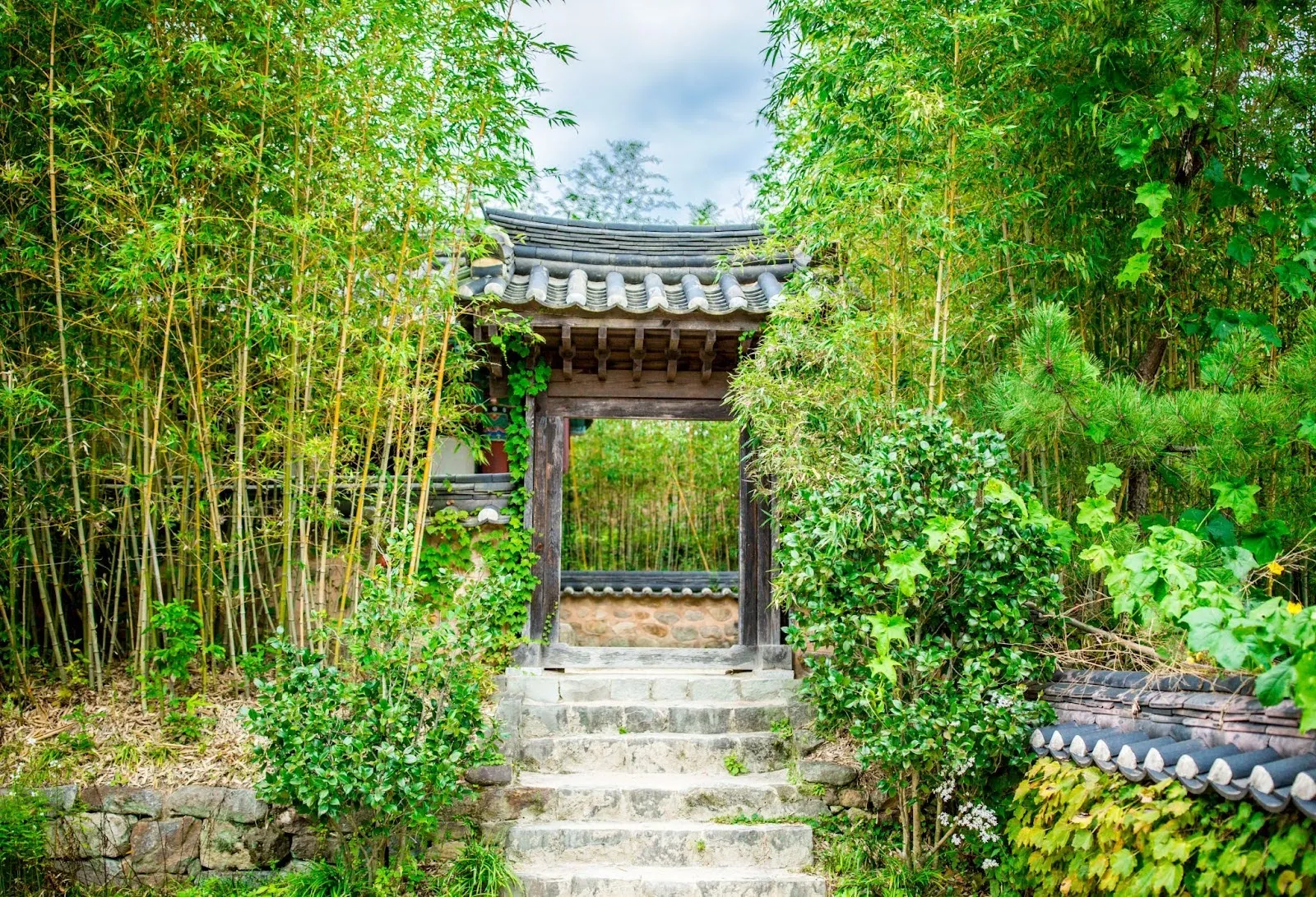
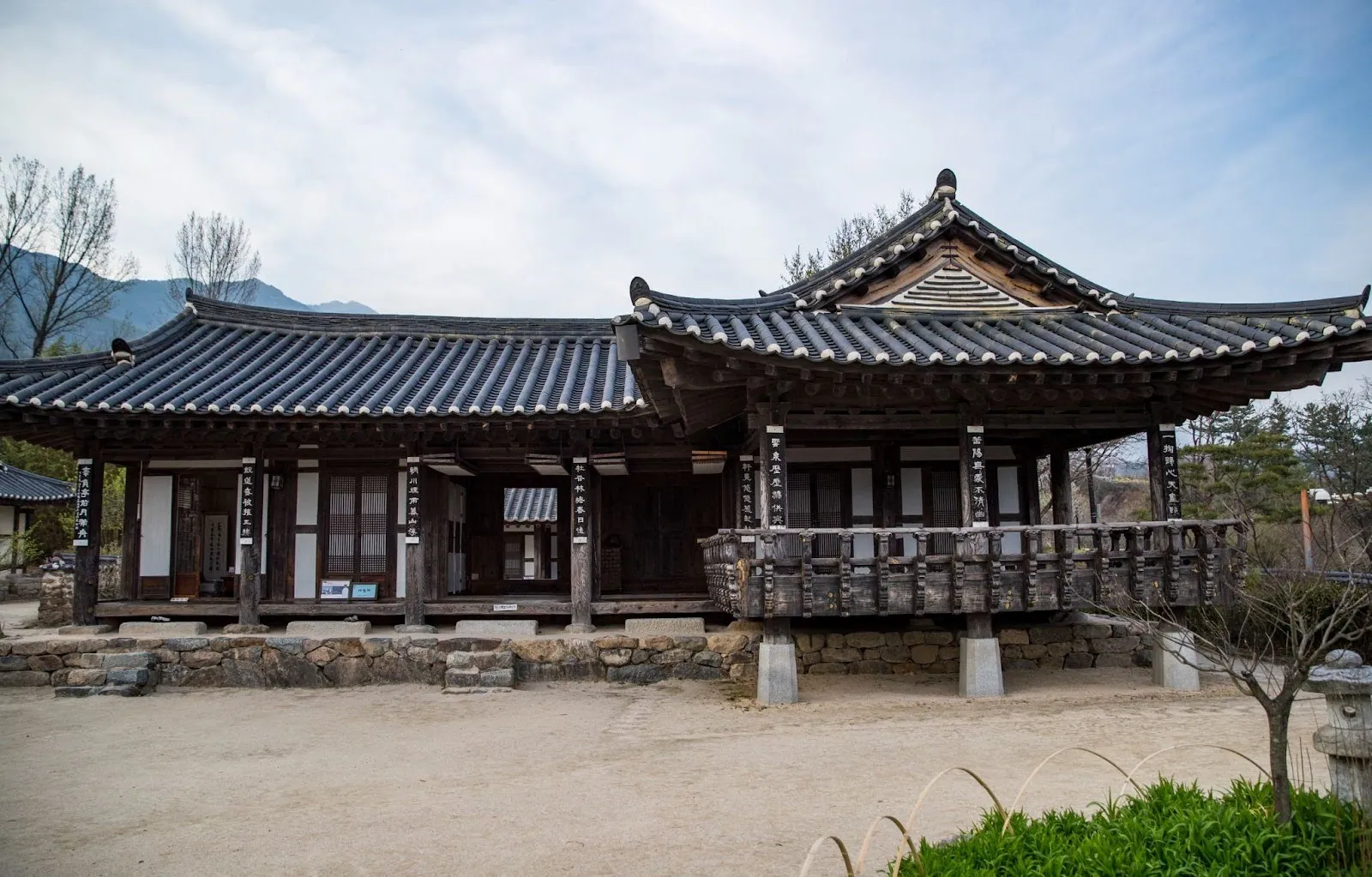 The House of Choi Champan is known as the setting of the famous novel "Toji" ("The Land") by noted novelist Park Kyongni. Located in a small folk literature village in Agyang-myeon, Pyeongsa-ri along the Seomjingang River at the foot of Jirisan Mountain, Choi Champandaek consists of fourteen hanok (traditional Korean house) buildings. Also used as the main set of the drama version of "Toji" (2004), Choi Champandaek gives visitors a look at the life of Korean people in the late Joseon era. The house has not only made its appearance in many films, but is also a valuable cultural asset of Hadong-gun.
4) 금오산(케이블카 탑승)/ Hadong Geumosan Cable Car
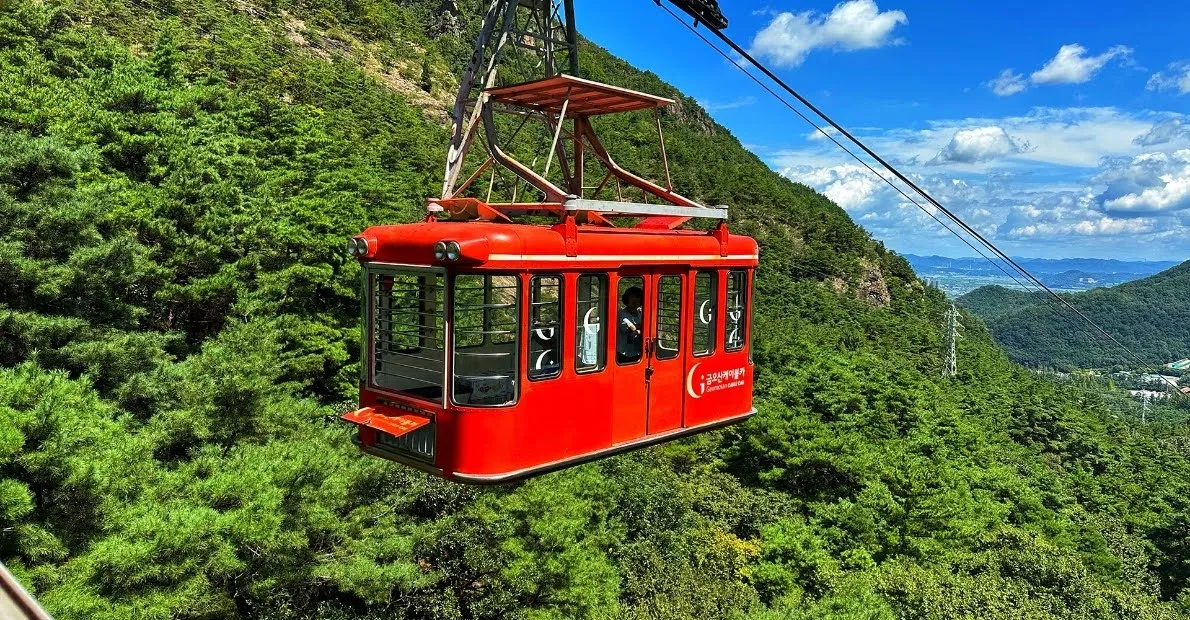
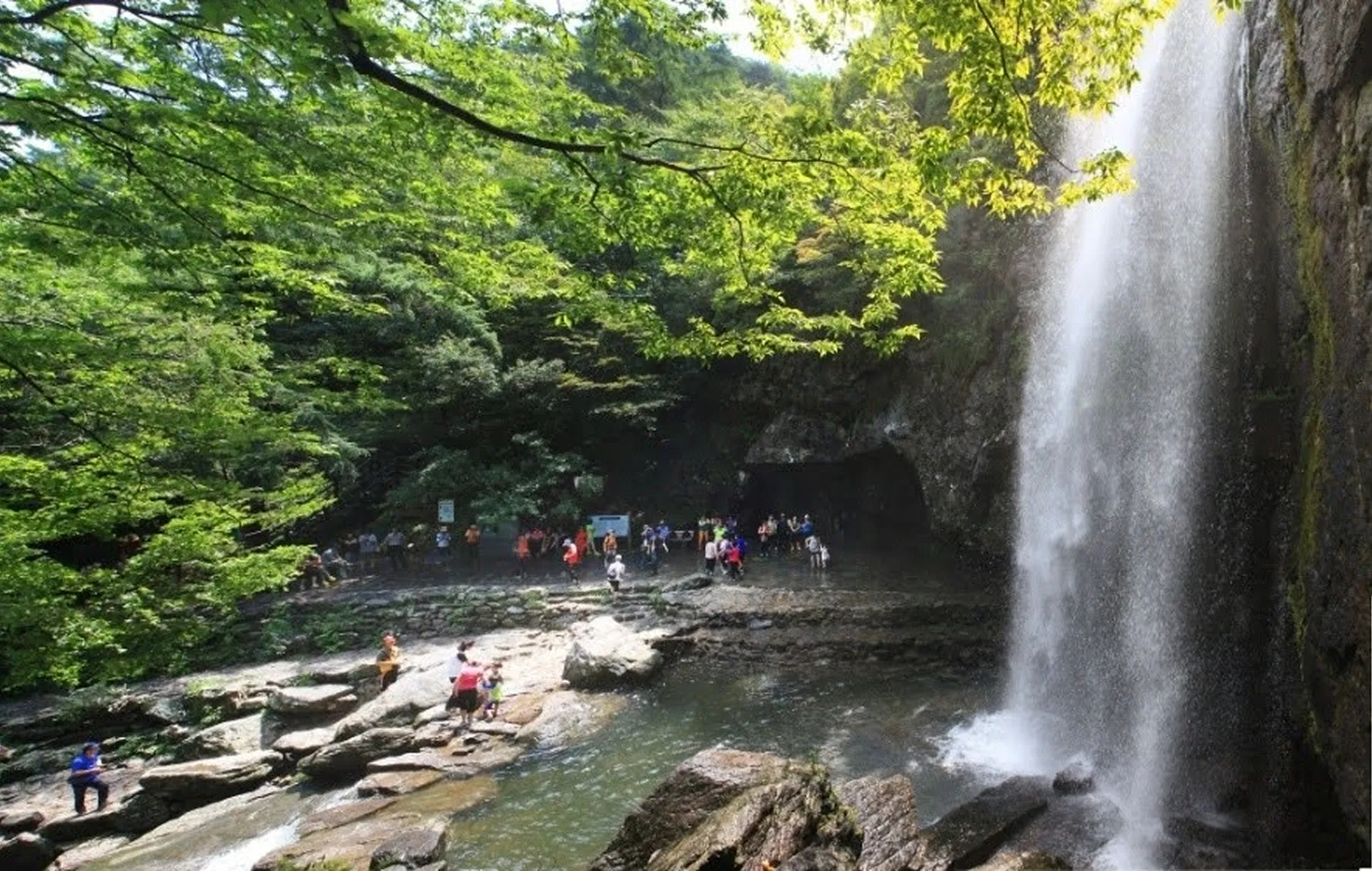 With a total length of 2,556 meters, the Hadong Cable Car takes you to the summit of Mt. Geumosan, the highest peak in the southern coastal region at 849 meters above sealevel. It is one of Hadong's top landmarks, offering panoramic views of the pristine Hallyeohaesang National Park. Near the summit, there are scenic walking trails where visitors can enjoy a relaxing stroll while taking in the beauty of nature.
5) 박정희대통령생가/Birthplace of President Park Chung-hee
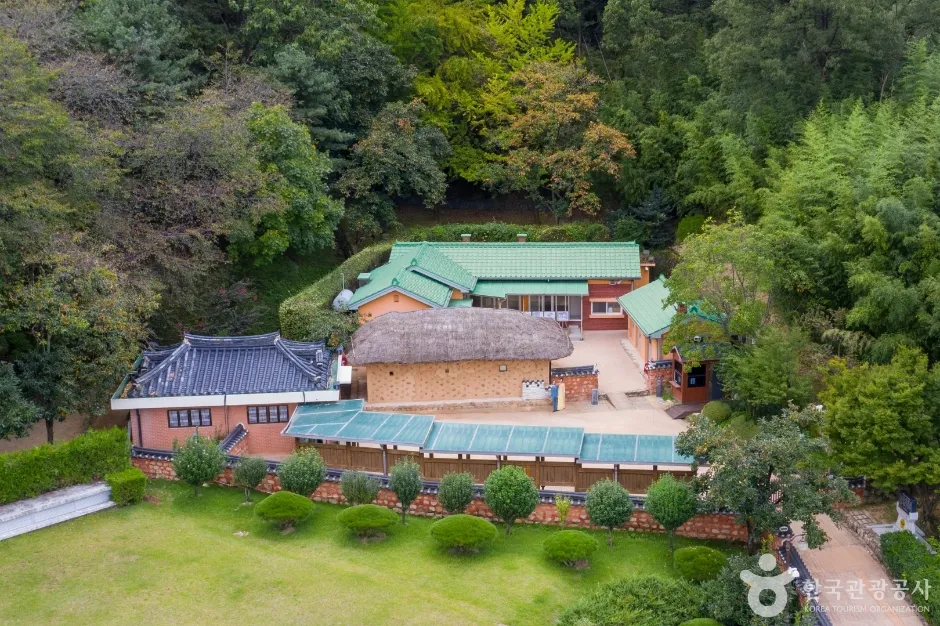 President Park Chung-hee, who served five terms in office, was born in this rural house built around 1900 and lived here for twenty years until 1937. Designated as a Gyeongsangbuk-do Monument in 1993, it is managed by his family and Gumi City. Next to the house is the President Park Chung Hee Memorial Hall, dedicated to highlighting his achievements and permanently preserving his artifacts. The exhibit room in the memorial hall showcases a collection of items used by the president during his term, photographs documenting his accomplishments, and digital videos.
6) 영동국악체험촌&2025영동세계국악엑스포
 Yeongdong Gugak Experience Village&2025 Yeongdong World Traditional Music&Art Expo Discover the joy of Korean traditional music in its hometown. Guests can participate in handson activities such as playing various instruments and crafting a mini janggu (drum), and enjoy live performances.
The Yeongdong World Traditional Music & Arts Expo showcases the industrial values of Gugak, traditional Korean music, sharing its joy and connecting diverse people, cultures, and regions. It features various exhibitions, traditional performances, and hands-on experience programs.
7) 영동와인터널 / Yeongdong Wine Tunnel
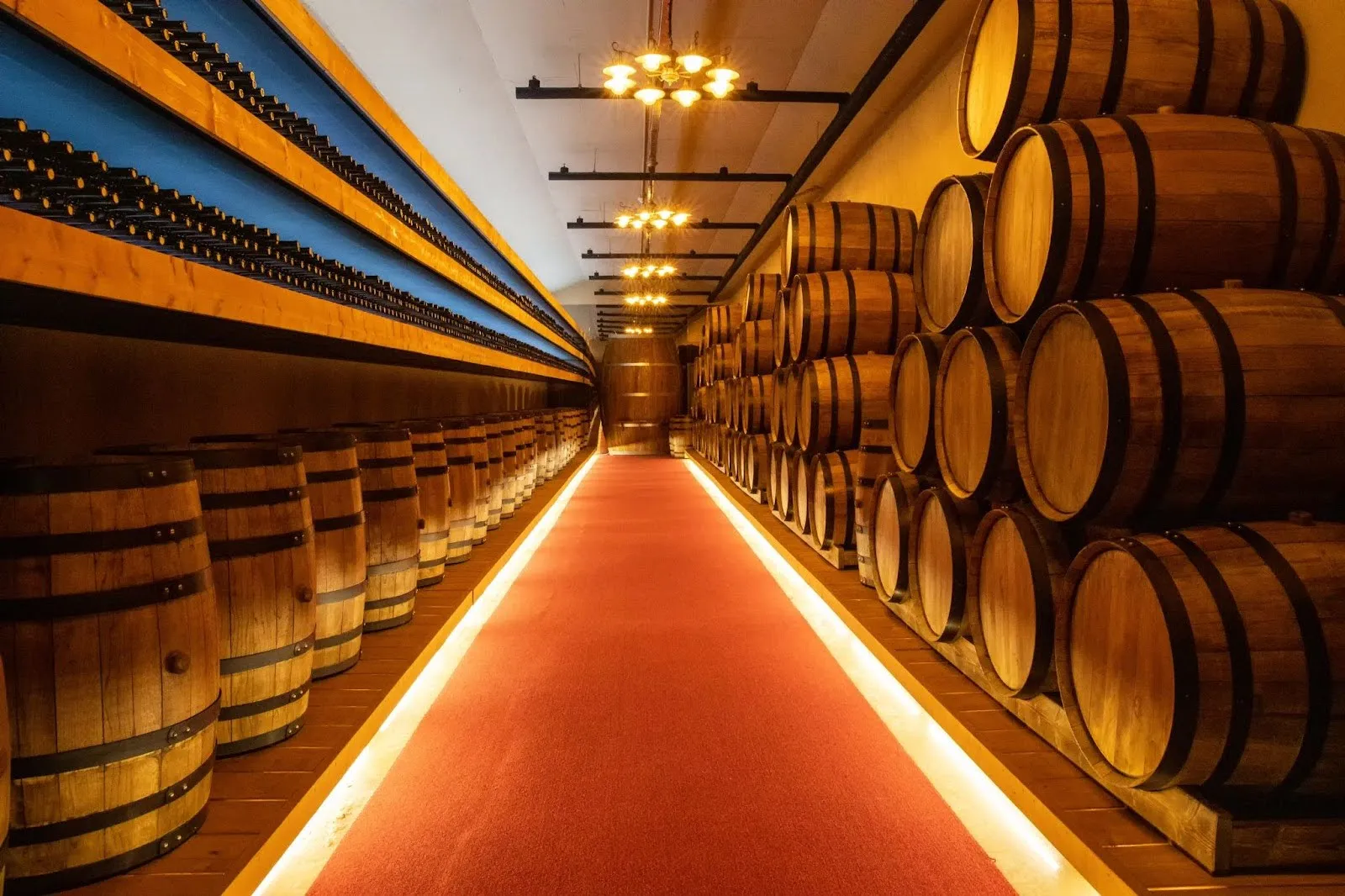 Yeongdong Wine Tunnel is a 420 m-long tunnel within the Rainbow Healing Tourist Site. It was built as a wine storage because caves present ideal conditions for wine storage. Visitors can explore the Wine Culture Hall, offering insights into the history of wine, stop by the Yeongdong Wine Hall to purchase locally produced wines, and also view historical military materials preserved from the Japanese Occupation era. A wine festival is held every October.
8) 탄금대 힐링 명상투어 /Chung Ju Tangeumdae Healing Tour
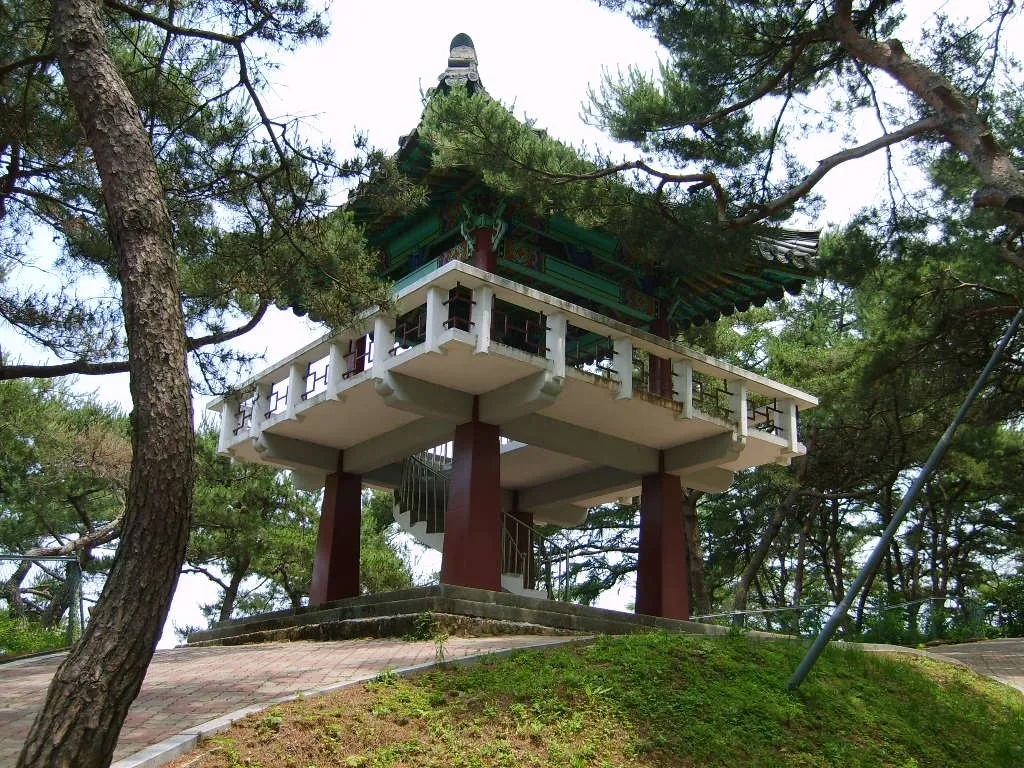
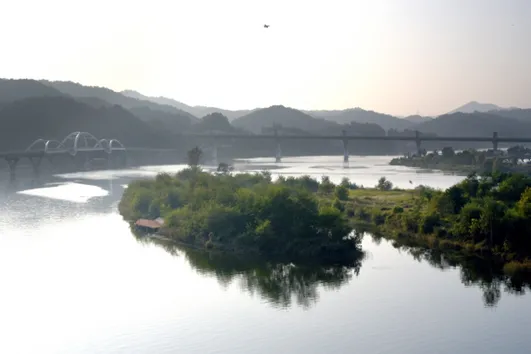 Tangeumdae in Chungju is a historic site overlooking the Namhangang River, well known as the place where the great musician Ureuk, who brought the gayageum to Korea, once played his instrument. Its name, Tangeumdae, literally means "the terrace where the gayageum is played."
The pavilion stands on a cliff with a sweeping view of the river and surrounding mountains, making it a popular spot for both history lovers and nature seekers. Visitors can stroll around the pavilion grounds, enjoy panoramic views, and reflect on the cultural heritage of Korean traditional music.
9) 우륵당/Ureukdang
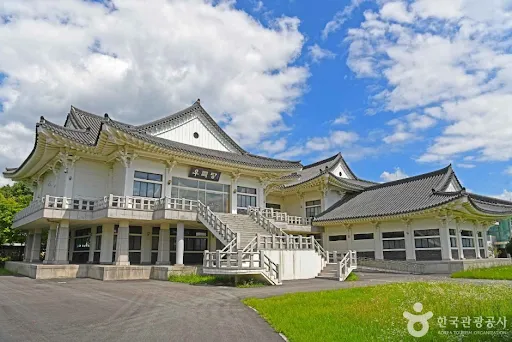 Ureukdang is a cultural space in Chungju specializing in traditional Korean music. It was built to honor the spirit of Ureuk, the musician of King Jinheung of Silla who created the gayageum, and to carry on and develop the art of Gugak, Korean traditional music.
Ureukdang is a hanok-style building with one basement floor and two above-ground floors. The basement houses a machine room and storage; the first floor contains offices and practice rooms; and the second floor has a performance hall, costume room, and exhibition room. In the exhibition room, portraits of Ureuk as well as various traditional instruments such as the gayageum, geomungo, ajaeng, and danso are on display.
Outside, there is a spacious plaza and lawn that also serve as an outdoor stage. The grounds feature a main gate built in the style of an outer gate, a pond, and a statue of Ureuk.
10) 경복궁/Gyeongbokgung Palace
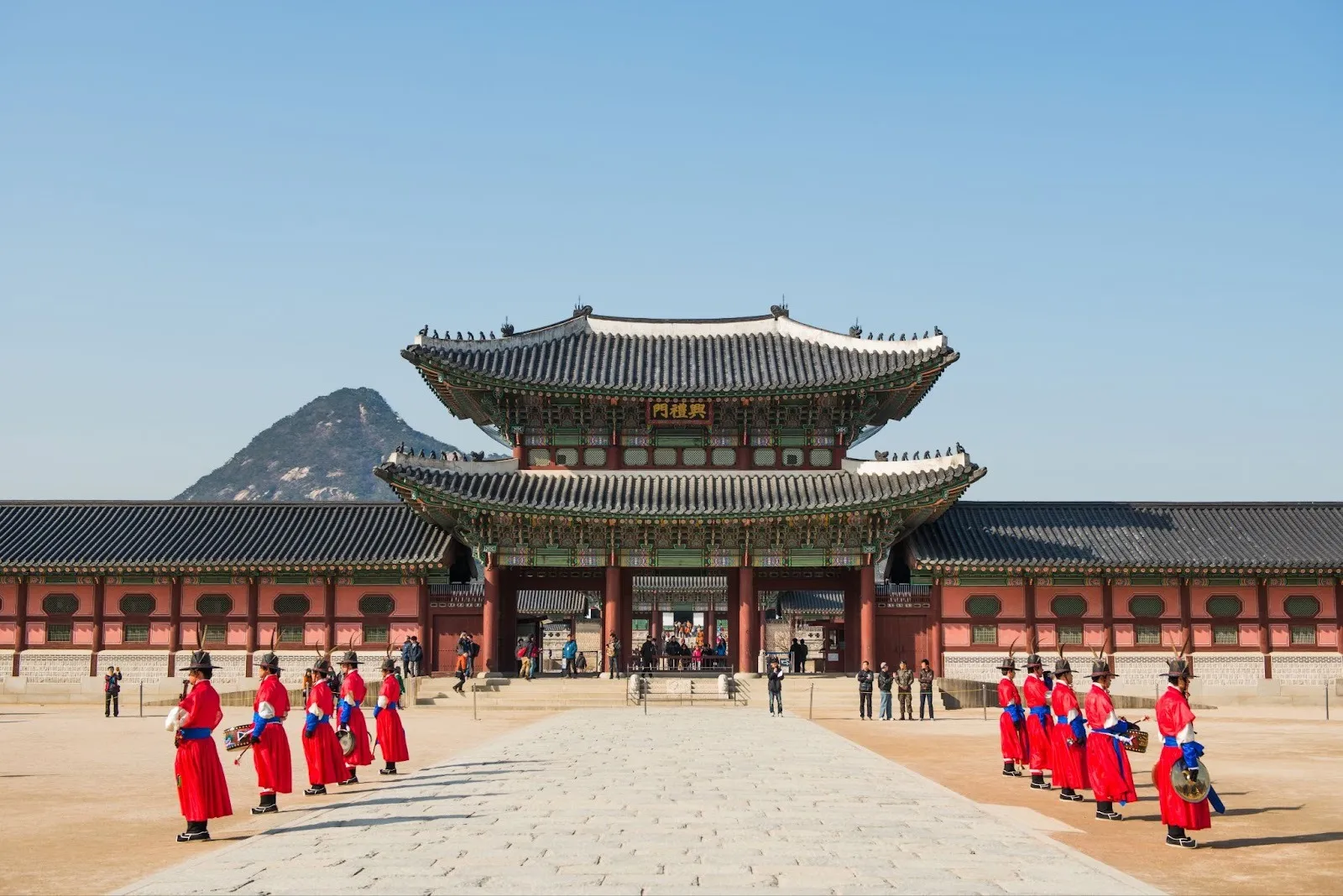 Gyeongbokgung Palace was built in 1395 as the official palace of the Joseon dynasty by Yi Seong-gye, the future King Taejo and founder of the new regime. Gyeongbokgung Palace is commonly referred to as the Northern Palace because of its location to the north, comparied to Changdeokgung Palace in the east and Gyeonghuigung Palace in the west. Gyeongbokgung Palace is the largest of all five palaces. Many Joseon kings were crowned here. The premises were once destroyed by fire during the Imjin War (1592-1598). However, all of the palace buildings were later restored under the leadership of Heungseondaewongun during the reign of King Gojong.
Gyeongbokgung Palace retains the original Gyeonghoeru Pavilion, a prime example of Joseon architecture, and the Hyangwonjeong Pavilion and pond. The sculptures in the Geunjeongjeon Hall exemplify Joseon-era sculpture techniques. The west side of the area outside Heungnyemun Gate is occupied by the National Palace Museum of Korea, while the eastern side of Hyangwonjeong Pavilion within the Gyeongbokgung Palace is occupied by the National Folk Museum of Korea.
11) 한강이크루즈/Han River Cruise(Moonlight music cruise)
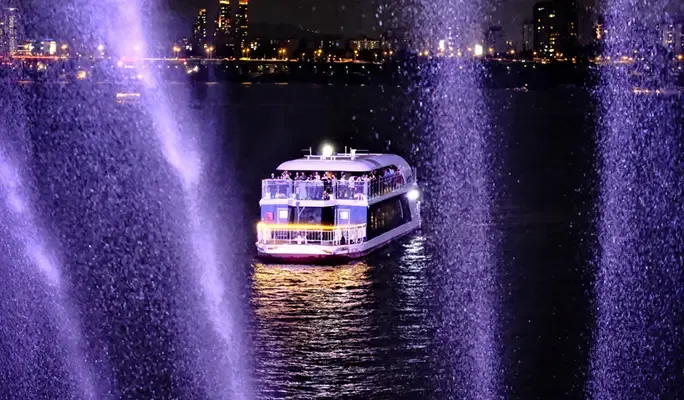 The Moonlight Music Cruise offers a magical night-time experience on Seoul's Han River. Departing from Yeouido Hangang Park, this 70-minute cruise allows visitors to enjoy the city's illuminated skyline while passing under iconic bridges, including the Banpo Bridge with its famous Rainbow Fountain. Onboard, guests can relax to live music performances, creating a romantic and tranquil atmosphere perfect for couples, families, or anyone looking to unwind. Light refreshments are available, and the cruise provides an excellent opportunity to experience Seoul's beauty from the water. Advance booking is recommended, especially during peak seasons, to secure a spot on this unforgettable night cruise.
12) 북촌한옥마을/Bukchon Hanok Village
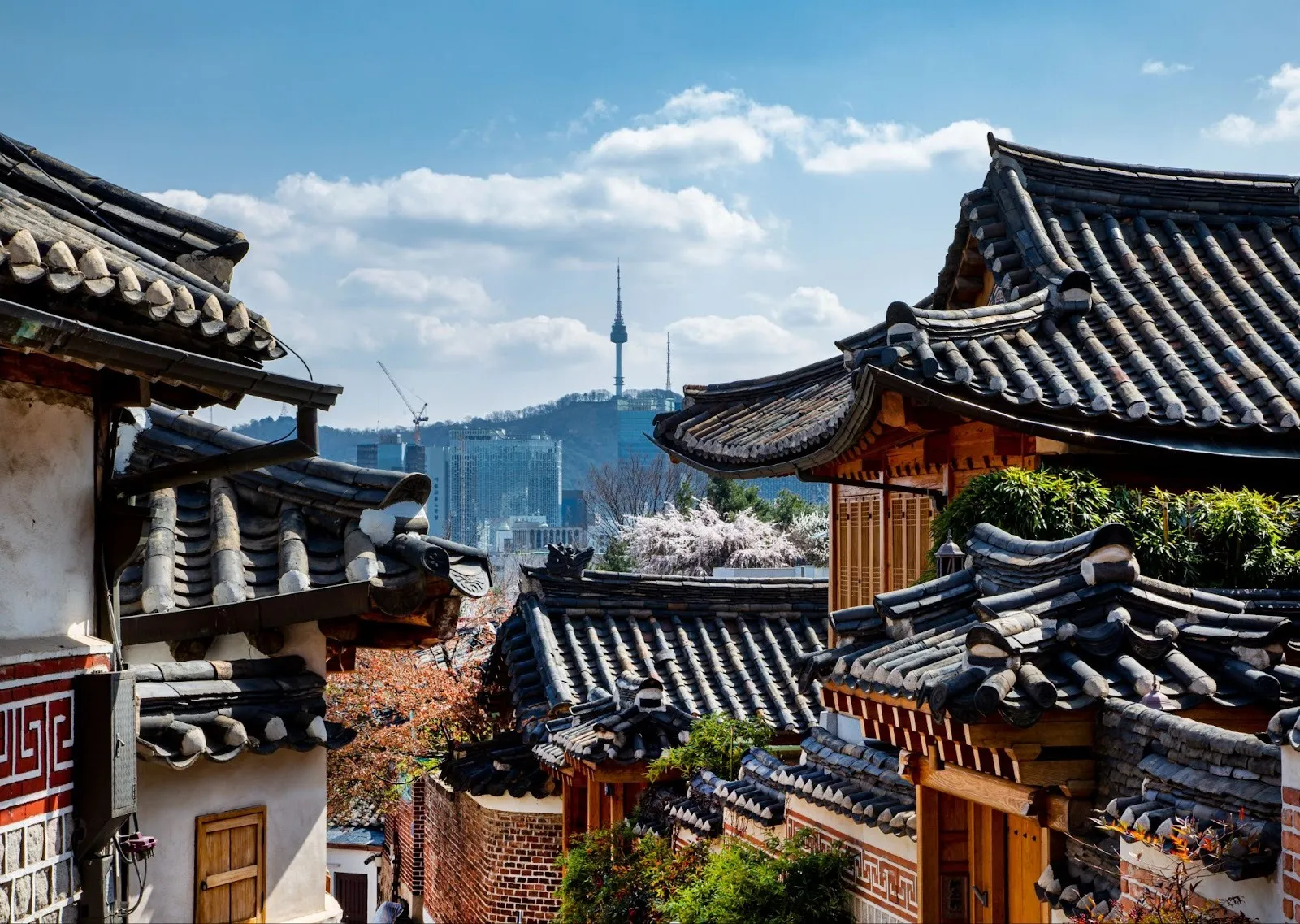 Surrounded by Gyeongbokgung Palace, Changdeokgung Palace and Jongmyo Shrine, Bukchon Hanok Village is home to hundreds of traditional houses, called hanok, that date back to the Joseon dynasty. The name Bukchon, which literally translates to "northern village," came about as the neighborhood lies north of two significant Seoul landmarks, Cheonggyecheon Stream and Jongno. Today, many of these hanoks operate as cultural centers, guesthouses, restaurants and tea houses, providing visitors with an opportunity to experience, learn and immerse themselves in traditional Korean culture. As Bukchon Hanok Village is an actual neighborhood with people's homes, visitors are advised to be respectful at all times while looking around.
13) 남산공원/Namsan Park
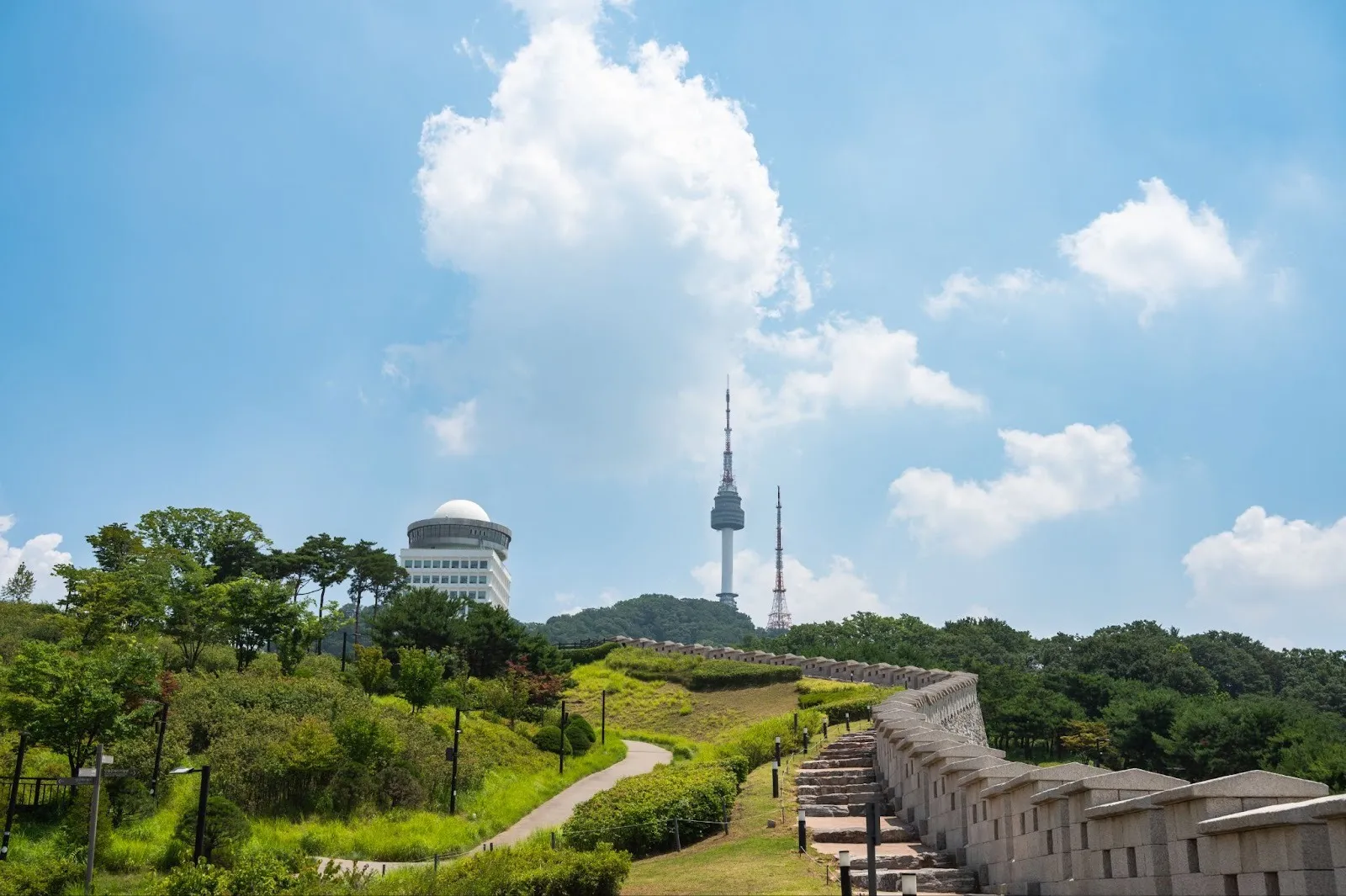 N Seoul Tower, located atop Namsan Mountain in central Seoul, is one of the city's most iconic landmarks. Standing 236 meters tall, the tower offers panoramic views of Seoul and its surrounding mountains, making it a must-visit destination for both tourists and locals.
Visitors can reach the tower via a scenic cable car ride or by hiking up Namsan Mountain, enjoying lush greenery and city views along the way. At the top, the observation decks provide breathtaking 360-degree vistas, especially stunning during sunset and at night when the city lights sparkle.
In addition to its viewing platforms, N Seoul Tower features restaurants, cafes, and souvenir shops, allowing guests to dine, relax, and shop while taking in the views. The tower is also famous for its "Locks of Love" terrace, where couples leave padlocks as symbols of their affection.
14) 명동 자유 쇼핑/Myeongdong Shopping & Sightseeing
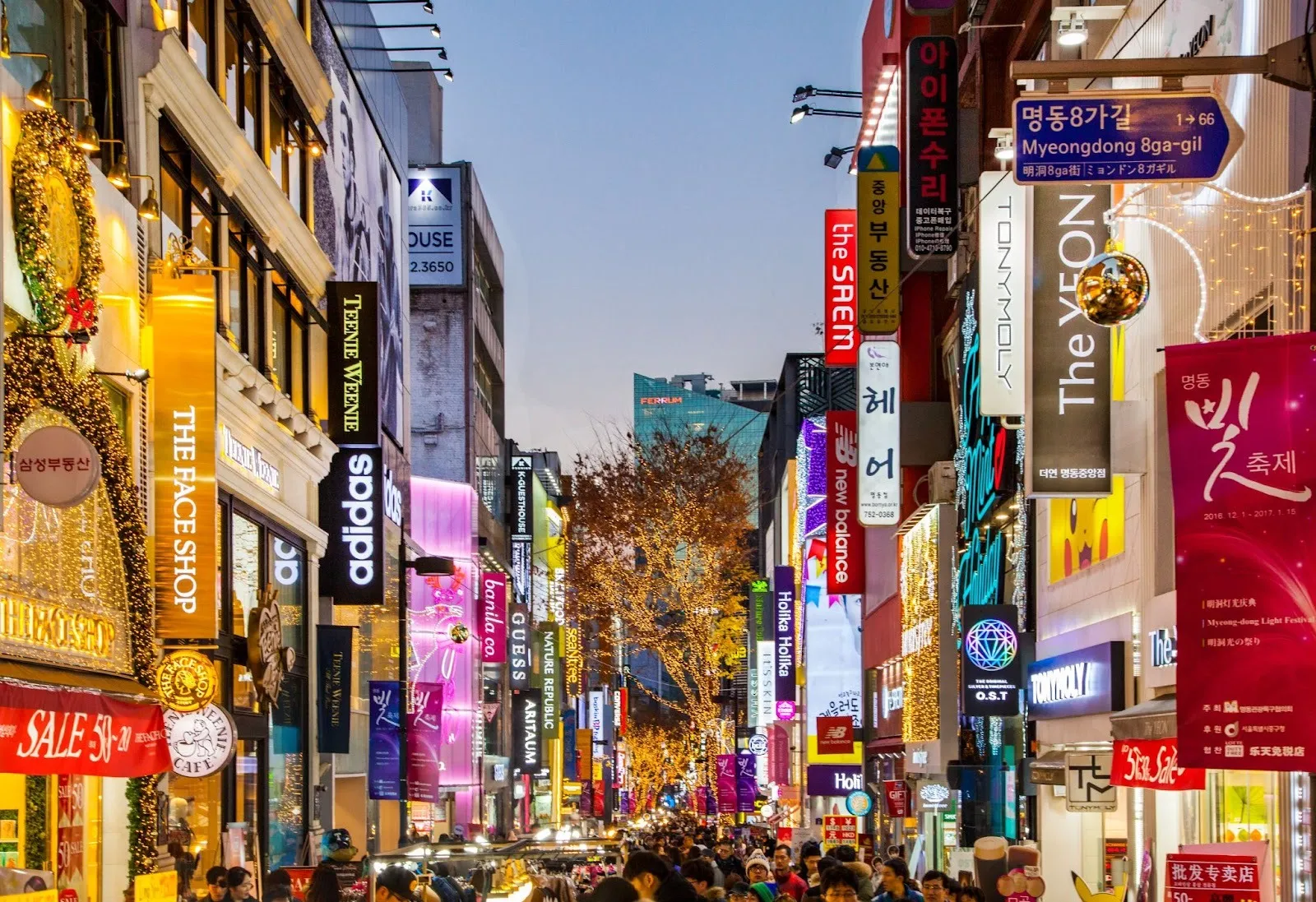 Myeongdong Street is one of Seoul's most vibrant shopping and cultural districts, attracting millions of visitors each year. The street is lined with international fashion brands, local designer shops, beauty and cosmetic stores, and countless street food stalls that make it a must-visit destination for shoppers and food lovers alike.
Beyond shopping, Myeongdong is also known for its lively atmosphere, street performances, and easy access to cultural landmarks such as Myeongdong Cathedral. Day or night, the area is bustling with energy, offering a unique blend of modern style and Korean charm.
For travelers looking to enjoy the best shopping experience in Seoul, Myeongdong Street is the perfect place to explore, stroll, and take home a piece of the city.
Select Date
Select Option