SejongGongju
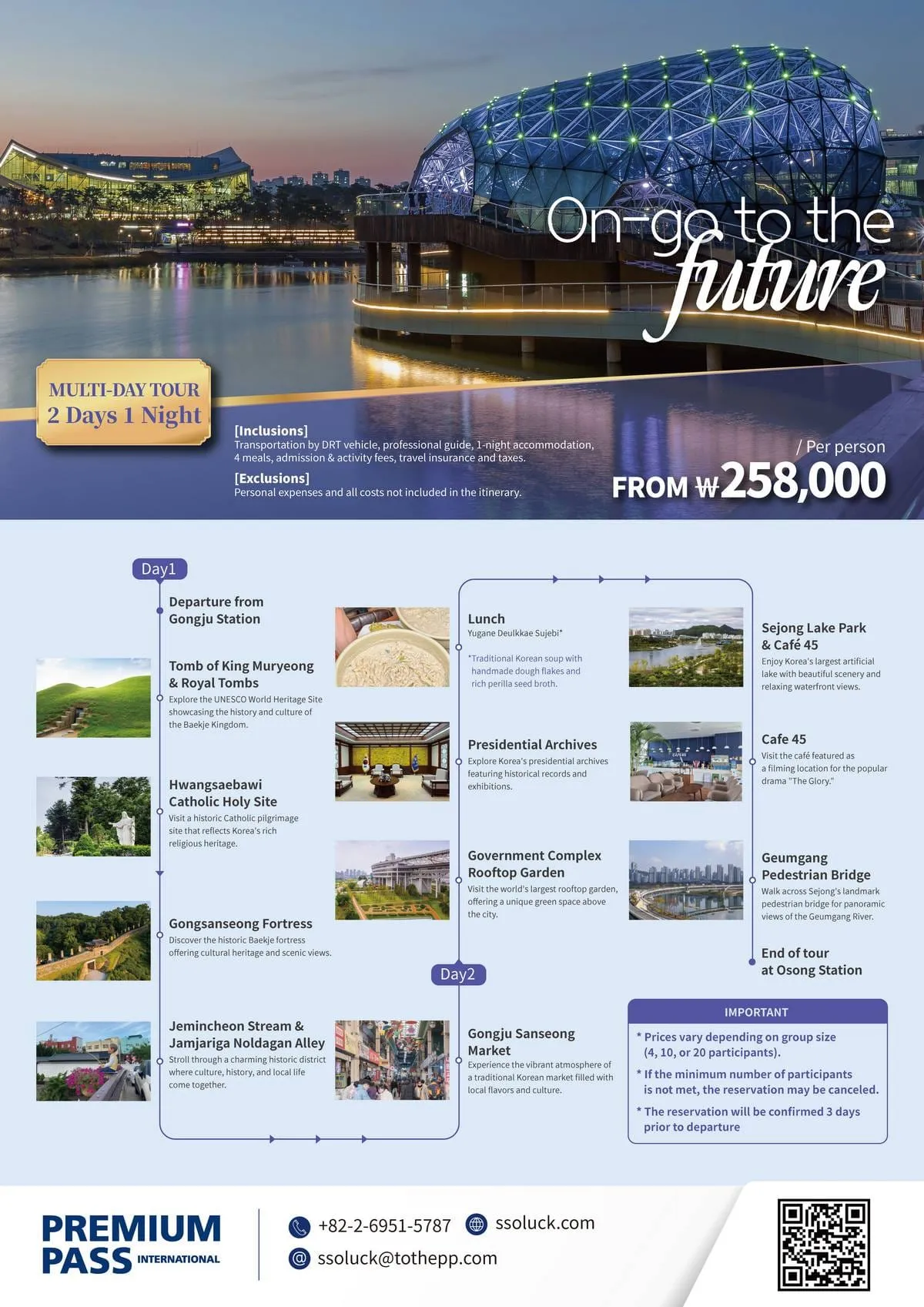
[DRT] On-go to the Future
$342.65


%20--%3e%3cg%3e%3cg%20id='_레이어_1'%20data-name='레이어_1'%3e%3cg%3e%3cpath%20class='cls-2'%20d='M66.18,20.67c-2.35,0-3.55,1.02-3.58,2.42-.03,1.53,1.47,2.28,3.68,2.76l2.15.51c4.74,1.06,7.5,3.41,7.54,7.37-.03,4.67-3.65,7.5-9.79,7.5-4.46,0-7.79-1.48-9.31-4.46-.94-1.83.44-4,2.5-4h.13c1.05,0,1.97.63,2.45,1.57.68,1.35,2.18,2.04,4.17,2.04,2.46,0,3.92-1.09,3.96-2.66-.03-1.43-1.3-2.18-4.02-2.8l-2.59-.61c-4.26-.99-6.85-3.1-6.85-6.82-.03-4.57,4.02-7.64,9.62-7.64,3.56,0,6.33,1.22,7.91,3.25,1.4,1.8.05,4.43-2.23,4.43h0c-.92,0-1.78-.49-2.23-1.3-.56-1-1.74-1.56-3.48-1.56Z'/%3e%3cpath%20class='cls-2'%20d='M45.11,20.67c-2.35,0-3.55,1.02-3.58,2.42-.03,1.53,1.47,2.28,3.68,2.76l2.15.51c4.74,1.06,7.5,3.41,7.54,7.37-.03,4.67-3.65,7.5-9.79,7.5-4.46,0-7.79-1.48-9.31-4.46-.94-1.83.44-4,2.5-4h.13c1.05,0,1.97.63,2.45,1.57.68,1.35,2.18,2.04,4.17,2.04,2.46,0,3.92-1.09,3.96-2.66-.03-1.43-1.3-2.18-4.02-2.8l-2.59-.61c-4.26-.99-6.85-3.1-6.85-6.82-.03-4.57,4.02-7.64,9.62-7.64,3.56,0,6.33,1.22,7.91,3.25,1.4,1.8.05,4.43-2.23,4.43h0c-.92,0-1.78-.49-2.23-1.3-.56-1-1.74-1.56-3.48-1.56Z'/%3e%3cpath%20class='cls-2'%20d='M89.11,41.24c-6.65,0-11.73-4.57-11.73-12.69s5.08-12.69,11.73-12.69,11.73,4.54,11.73,12.69-5.12,12.69-11.73,12.69ZM89.11,20.98c-3.61,0-5.8,2.66-5.8,7.57s2.18,7.57,5.8,7.57,5.8-2.66,5.8-7.57-2.18-7.57-5.8-7.57Z'/%3e%3cpath%20class='cls-2'%20d='M121.37,19.11c-.01.13-.02.25-.03.38v.06c0,.13,0,.25,0,.36v5.95h5.94c.28,0,.56,0,.82-.03,2.89-.29,5.19-2.59,5.47-5.48.18-1.85-.46-3.66-1.77-4.96-1.3-1.3-3.11-1.95-4.96-1.76-2.89.29-5.19,2.59-5.47,5.47Z'/%3e%3cg%3e%3cpath%20class='cls-1'%20d='M153.63,16.2c1.6,0,2.9,1.3,2.9,2.9v13.03c0,5.52-4.19,9.11-10.4,9.11s-10.4-3.58-10.4-9.11v-13.03c0-1.6,1.3-2.9,2.9-2.9h0c1.6,0,2.9,1.3,2.9,2.9v12.55c0,2.63,1.88,4.5,4.6,4.5s4.57-1.88,4.57-4.5v-12.55c0-1.6,1.3-2.9,2.9-2.9h.03Z'/%3e%3cpath%20class='cls-1'%20d='M171.03,20.98c-3.65,0-5.87,2.76-5.87,7.57s2.28,7.57,5.83,7.57c2.05,0,3.61-.85,4.43-2.35.5-.92,1.47-1.5,2.52-1.49h0c2.19.01,3.52,2.46,2.31,4.29-1.75,2.65-4.9,4.67-9.36,4.67-6.68,0-11.66-4.57-11.66-12.69s5.08-12.69,11.66-12.69c4.38,0,7.9,1.82,9.69,5.14,1,1.85-.34,4.1-2.44,4.1h-.12c-1.1,0-2.08-.63-2.56-1.62-.77-1.57-2.32-2.51-4.43-2.51Z'/%3e%3cpath%20class='cls-1'%20d='M185.86,16.2h1.32c1.24,0,2.24,1,2.24,2.24v8.3h.34l6.91-8.79c.87-1.1,2.19-1.75,3.6-1.75h0c1.88,0,2.92,2.17,1.75,3.64l-4.9,6.11c-.61.76-.66,1.82-.13,2.63l5.8,8.85c.98,1.49-.09,3.47-1.87,3.47h-1.58c-.77,0-1.48-.39-1.89-1.04l-3.91-6.13c-.82-1.29-2.67-1.39-3.63-.2h0c-.32.4-.5.9-.5,1.41v3.72c0,1.24-1,2.24-2.24,2.24h-1.32c-1.24,0-2.24-1-2.24-2.24v-20.21c0-1.24,1-2.24,2.24-2.24Z'/%3e%3cpath%20class='cls-1'%20d='M131.92,34.3c-.29-2.94-2.67-5.32-5.61-5.61-.13-.01-.26-.02-.38-.03h0s-.07,0-.07,0c-.12,0-.25,0-.37,0h-6.09v6.09c0,.27,0,.55.03.83.29,2.94,2.67,5.32,5.61,5.61,3.97.39,7.29-2.92,6.89-6.89Z'/%3e%3cpath%20class='cls-1'%20d='M118.64,34.76v-6.09h-6.09c-.12,0-.25,0-.37,0h-.07c-.13,0-.26.01-.38.03-2.94.29-5.32,2.67-5.61,5.61-.39,3.97,2.92,7.29,6.89,6.89,2.94-.29,5.32-2.67,5.61-5.61.03-.28.04-.56.03-.83Z'/%3e%3cpath%20class='cls-1'%20d='M118.62,21.89c0-.27,0-.55-.03-.83-.29-2.94-2.67-5.32-5.61-5.61-3.97-.39-7.29,2.92-6.89,6.89.29,2.94,2.67,5.32,5.61,5.61.13.01.26.02.38.03h0s.06,0,.06,0c.13,0,.26,0,.38,0h6.09v-6.09Z'/%3e%3c/g%3e%3c/g%3e%3c/g%3e%3c/g%3e%3c/svg%3e)
Traveler Type | International Tourists |
Duration | 3 days / 2 nights |
Destinations | Seoul, Gangwon (Yeongwol), Chungbuk (Chungju) |
Minimum Number of Participants | Private Tour: 6 people Joint Tour: 40 people |
Notes | The tour may be canceled if the number of participants is below the minimum required. Reservation and cancellation of this product are subject to the Special Terms and Conditions for Domestic Travel. |
Included | Transportation & Tour Guide/Interpreter Easy Travel Care (Travel Insurance) Driver and Guide Tips Admission Fees & Activity Charges Accommodation |
Not Included | Meals, personal expenses, and any costs not specified in the itinerary |
Itinerary - Day 1 | |||
Time | Activity | Details | Remarks |
09:30 | Meeting Point: Anguk Station | Exit 2, Jae-dong, Jongno-gu, Seoul | Jae-dong, Jongno-gu, Seou |
09:30~11:50 (140‘) | Bukchon Hanok Village & Ikseon-dong Hanok Village | Walking tour, free snacks, and guided commentary | Snack cost not included |
11:50~12:20 (30’) | Transfer (Ikseon-dong → Gwangjang Market) | On foot |
|
12:20~13:50 (90’) | Gwangjang Market | Free time for lunch | Meal cost not included *Food Alley open year-round *Shops closed on designated day |
13:50-14:10 (20') | Transfer (Gwangjang Market → National Museum of Korean Contemporary History) | Public bike (Ddareungi) | From Jongno 5-ga Station to Gwanghwamun Station |
14:10-15:10 (70’) | National Museum of Korean Contemporary History | Guided tour or docent commentary |
|
15:10-15:50 (40’) | Transfer (Museum → Nanji Camping Site) | Subway | Gwanghwamun Station → World Cup Stadium Station
|
15:50-16:50 (60’) | Hangang River | Public bike ride and experience | World Cup Stadium → Hangang → Nanji Camping Site |
16:50-17:10 (20’) | Nanji Camping Site | Entry preparation and grocery shopping |
|
17:10~19:10 (120‘) | Dinner at Nanji Camping Site | BBQ Pork Belly | *Meal included |
19:10~22:30 (200‘) | Transfer (Nanji Camping Site → Hotel) | By vehicle | rest stop break (20’) |
22:30~ | Check-in: Topsten Resort Donggang Sistar | Free time |
|
Itinerary - Day 2 | |||
Time | Activity | Details | Remarks |
08:00 | Meeting Point: Hotel Lobby |
|
|
08:00~08:15 (15’) | Transfer(Hotel → Donggang Rafting) |
| |
08:15~08:45 (30’) | Donggang Rafting | Preparation |
|
08:45~11:15 (150’) | Donggang Rafting Experience | Eorayeon Course, 12 km | Admission included
|
11:15~11:55 (40’) | Donggang Rafting | Shower and change of clothes
| Bring extra shoes & clothes |
11:55~13:15 (80’) | Lunch | Grilled Pork Belly | Meal included |
13:15~14:50 (95‘) | Transfer (Lunch Venue → Hotel) | By vehicle |
|
14:50~19:40 (290‘) | Kensington Resort Chungju | Rest and dinner |
|
19:40~20:00 (20‘) | Transfer (Hotel → Goguryeo Astronomical Science Museum) | By vehicle |
|
20:00~21:30 (90‘) | Goguryeo Astronomical Science Museum | *20:30 Star Observation Program |
|
21:20~21:40 (20‘) | Transfer (Museum → Hotel) | By vehicle |
|
21:40 | Arrival at Kensington Resort Chungju | Free time |
|
Itinerary - Day 3 | |||
Time | Activity | Details | Remarks |
10:00 | Meeting Point: Hotel Lobby |
|
|
10:00~10;20 (20‘) | Transfer (Hotel → Jungangtap & Rainbow Road) | By vehicle |
|
10:20~11:20 (60‘) | Jungangtap & Rainbow Road | Guided commentary |
|
11:20~14:20 (180‘) | Return Trip | By vehicle | Rest stop break (20’), free snacks & drinks |
14:20 | Arrival at Myeongdong Travel Center | Tour ends |
|
Bukchon Hanok Village
Bukchon is located between Gyeongbokgung Palace, Changdeokgung Palace, and Jongmyo Shrine, and is one of Seoul's most famous traditional residential areas where hanok (traditional Korean houses) are clustered together. It is home to numerous historic sites, cultural properties, and folk materials, earning it the nickname "a street museum in the heart of the city."
The sight of multiple hanok sharing roof eaves and walls with their neighbors evokes a sense of warmth and community that is often forgotten in modern life. Walking through Bukchon, you can experience not only the beauty of its continuous rooflines but also the charm of its friendly alleyways.
Visitors are advised to engage in silent tourism to help ensure that Bukchon Hanok Village remains a sustainable travel destination.
※ Silent tourism: A form of travel in which visitors refrain from speaking loudly, so as not to disturb the daily lives and environmental rights of local residents.
Ikseon-dong Hanok Village
Ikseon-dong is a charming neighborhood where narrow alleys and traditional hanok (Korean houses) blend together, attracting visitors of all ages. It also serves as a place that bridges generations, bringing together the younger and older generations.
Designated as a Hanok Preservation District in 2018, Ikseon-dong rose to prominence in 2019 alongside the retro and "newtro" trends, becoming a unique time-travel destination in the high-tech city of Seoul. The slender, maze-like alleys winding between quaint hanok resemble a network of veins, making the entire area feel like a travel destination in itself.
Many of the hanok have been renovated into cafés, restaurants, and various shops, offering plenty to see, taste, and enjoy. Today, Ikseon-dong stands as one of Seoul's most popular date spots.
Gwangjang Market
During the Joseon Dynasty, Seoul's three major markets were the government-licensed Sijeon in Seosomun, Chilpae Market in the Chilpae area, and Baeogae Market in the Baeogae area near Heunginjimun Gate. Chilpae Market and Baeogae Market flourished as private markets in the 18th century alongside the growth of commerce, connecting with regional markets such as Nuwon-jeom and Songpa Market around Hanyang (the old name for Seoul).
After the Korean War, the Dongdaemun Market grew by focusing on relief supplies and goods from the U.S. military. In the early 1960s, as Dongdaemun Market expanded, it was divided, giving rise to the present-day Gwangjang Market. The market became well-known for fabrics, second-hand goods, and a variety of street foods. In 2010, it was officially renamed from Gwangjang Market to Jongno Gwangjang Market.
National Museum of Korean Contemporary History
The National Museum of Korean Contemporary History, which opened on December 26, 2012, is the first national museum dedicated to Korea's modern and contemporary history. It chronicles the nation's journey from the late 19th-century Open Port Era to the present day.
The museum was established to share the history of the Republic of Korea—built through perseverance and overcoming adversity—by exhibiting, educating, researching, and collecting materials related to its modern and contemporary history.
In addition to its permanent exhibitions, the museum offers special exhibitions on a wide range of themes covering all aspects of modern history, providing visitors with an in-depth understanding of Korea's recent past. Various educational programs and cultural events are also held at the museum.
Hangang Park Public Bike Experience (Ddareungi)
A healthy city with bicycles, Seoul is recognized as a world-class cycling city.
Healthy Bicycle City: Promotes public health by encouraging cycling as part of daily life.
Clean Bicycle City: Reduces CO₂ emissions by increasing the use of bicycles as a mode of transportation.
Convenient Bicycle City: Improves mobility by providing public bicycles conveniently located throughout the city.
Nanji Camping Site
For visitors who wish to enjoy barbecue without camping, the "Barbecue Zone" offers 26 fire pits, perfect for creating memorable experiences.
The site features expansive green spaces for leisurely walks or relaxation, as well as upgraded facilities, including remodeled restrooms, newly installed sinks, and other amenities for added convenience.
Donggang Rafting
The Donggang River, located in Jeongseon County, Gangwon-do, is considered one of the most beautiful rivers in Korea. Originating from Odaesan Mountain in Pyeongchang County, it flows through Jeongseon, joins the Seogang River in Yeongwol County, and eventually becomes part of the upper Namhangang River.
Donggang boasts a breathtaking natural landscape, with lush forests, crystal-clear waters, and striking rock formations. Its well-preserved ecosystem has earned it the title of an ecological treasure, home to various endangered species such as otters and Korean spotted barbel (Coreoleuciscus splendidus). In recognition of its ecological value, Donggang was designated a UNESCO Biosphere Reserve in 2002.
The river offers a variety of leisure activities including rafting, kayaking, swimming, hiking, and trekking. In particular, the rafting course starting from the upper reaches of the Donggang at the Joyang River is one of the most popular rafting routes in Korea.
Goguryeo Astronomical Science Museum
The Chungju Goguryeo Astronomical Science Museum is a public observatory located in Chungju, Chungcheongbuk-do.
Jungangtap & Rainbow Road (Tangeum Lake Rainbow Bridge)
The park surrounding Jungangtap (National Treasure No. 6, the Seven-story Stone Pagoda in Tappyeong-ri, Chungju) was created to protect and preserve the pagoda by clearing and arranging the surrounding area.
The Tangeum Lake Rainbow Road is a floating bridge built over Tangeum Lake. Officially named the Tangeum Lake Broadcasting Road, it was originally constructed in 2013 as a waterfront structure for broadcasting the World Rowing Championships.
1st Floor, voco Seoul Myeongdong, in front of Hoehyeon Station
The center offers various travel services such as luggage storage, delivery, and concierge assistance. It also serves as the meeting point for SSOLUCK tour products, so please be sure to arrive on time for your scheduled meeting.
Select Date
Select Option