%20--%3e%3cg%3e%3cg%20id='_레이어_1'%20data-name='레이어_1'%3e%3cg%3e%3cpath%20class='cls-2'%20d='M66.18,20.67c-2.35,0-3.55,1.02-3.58,2.42-.03,1.53,1.47,2.28,3.68,2.76l2.15.51c4.74,1.06,7.5,3.41,7.54,7.37-.03,4.67-3.65,7.5-9.79,7.5-4.46,0-7.79-1.48-9.31-4.46-.94-1.83.44-4,2.5-4h.13c1.05,0,1.97.63,2.45,1.57.68,1.35,2.18,2.04,4.17,2.04,2.46,0,3.92-1.09,3.96-2.66-.03-1.43-1.3-2.18-4.02-2.8l-2.59-.61c-4.26-.99-6.85-3.1-6.85-6.82-.03-4.57,4.02-7.64,9.62-7.64,3.56,0,6.33,1.22,7.91,3.25,1.4,1.8.05,4.43-2.23,4.43h0c-.92,0-1.78-.49-2.23-1.3-.56-1-1.74-1.56-3.48-1.56Z'/%3e%3cpath%20class='cls-2'%20d='M45.11,20.67c-2.35,0-3.55,1.02-3.58,2.42-.03,1.53,1.47,2.28,3.68,2.76l2.15.51c4.74,1.06,7.5,3.41,7.54,7.37-.03,4.67-3.65,7.5-9.79,7.5-4.46,0-7.79-1.48-9.31-4.46-.94-1.83.44-4,2.5-4h.13c1.05,0,1.97.63,2.45,1.57.68,1.35,2.18,2.04,4.17,2.04,2.46,0,3.92-1.09,3.96-2.66-.03-1.43-1.3-2.18-4.02-2.8l-2.59-.61c-4.26-.99-6.85-3.1-6.85-6.82-.03-4.57,4.02-7.64,9.62-7.64,3.56,0,6.33,1.22,7.91,3.25,1.4,1.8.05,4.43-2.23,4.43h0c-.92,0-1.78-.49-2.23-1.3-.56-1-1.74-1.56-3.48-1.56Z'/%3e%3cpath%20class='cls-2'%20d='M89.11,41.24c-6.65,0-11.73-4.57-11.73-12.69s5.08-12.69,11.73-12.69,11.73,4.54,11.73,12.69-5.12,12.69-11.73,12.69ZM89.11,20.98c-3.61,0-5.8,2.66-5.8,7.57s2.18,7.57,5.8,7.57,5.8-2.66,5.8-7.57-2.18-7.57-5.8-7.57Z'/%3e%3cpath%20class='cls-2'%20d='M121.37,19.11c-.01.13-.02.25-.03.38v.06c0,.13,0,.25,0,.36v5.95h5.94c.28,0,.56,0,.82-.03,2.89-.29,5.19-2.59,5.47-5.48.18-1.85-.46-3.66-1.77-4.96-1.3-1.3-3.11-1.95-4.96-1.76-2.89.29-5.19,2.59-5.47,5.47Z'/%3e%3cg%3e%3cpath%20class='cls-1'%20d='M153.63,16.2c1.6,0,2.9,1.3,2.9,2.9v13.03c0,5.52-4.19,9.11-10.4,9.11s-10.4-3.58-10.4-9.11v-13.03c0-1.6,1.3-2.9,2.9-2.9h0c1.6,0,2.9,1.3,2.9,2.9v12.55c0,2.63,1.88,4.5,4.6,4.5s4.57-1.88,4.57-4.5v-12.55c0-1.6,1.3-2.9,2.9-2.9h.03Z'/%3e%3cpath%20class='cls-1'%20d='M171.03,20.98c-3.65,0-5.87,2.76-5.87,7.57s2.28,7.57,5.83,7.57c2.05,0,3.61-.85,4.43-2.35.5-.92,1.47-1.5,2.52-1.49h0c2.19.01,3.52,2.46,2.31,4.29-1.75,2.65-4.9,4.67-9.36,4.67-6.68,0-11.66-4.57-11.66-12.69s5.08-12.69,11.66-12.69c4.38,0,7.9,1.82,9.69,5.14,1,1.85-.34,4.1-2.44,4.1h-.12c-1.1,0-2.08-.63-2.56-1.62-.77-1.57-2.32-2.51-4.43-2.51Z'/%3e%3cpath%20class='cls-1'%20d='M185.86,16.2h1.32c1.24,0,2.24,1,2.24,2.24v8.3h.34l6.91-8.79c.87-1.1,2.19-1.75,3.6-1.75h0c1.88,0,2.92,2.17,1.75,3.64l-4.9,6.11c-.61.76-.66,1.82-.13,2.63l5.8,8.85c.98,1.49-.09,3.47-1.87,3.47h-1.58c-.77,0-1.48-.39-1.89-1.04l-3.91-6.13c-.82-1.29-2.67-1.39-3.63-.2h0c-.32.4-.5.9-.5,1.41v3.72c0,1.24-1,2.24-2.24,2.24h-1.32c-1.24,0-2.24-1-2.24-2.24v-20.21c0-1.24,1-2.24,2.24-2.24Z'/%3e%3cpath%20class='cls-1'%20d='M131.92,34.3c-.29-2.94-2.67-5.32-5.61-5.61-.13-.01-.26-.02-.38-.03h0s-.07,0-.07,0c-.12,0-.25,0-.37,0h-6.09v6.09c0,.27,0,.55.03.83.29,2.94,2.67,5.32,5.61,5.61,3.97.39,7.29-2.92,6.89-6.89Z'/%3e%3cpath%20class='cls-1'%20d='M118.64,34.76v-6.09h-6.09c-.12,0-.25,0-.37,0h-.07c-.13,0-.26.01-.38.03-2.94.29-5.32,2.67-5.61,5.61-.39,3.97,2.92,7.29,6.89,6.89,2.94-.29,5.32-2.67,5.61-5.61.03-.28.04-.56.03-.83Z'/%3e%3cpath%20class='cls-1'%20d='M118.62,21.89c0-.27,0-.55-.03-.83-.29-2.94-2.67-5.32-5.61-5.61-3.97-.39-7.29,2.92-6.89,6.89.29,2.94,2.67,5.32,5.61,5.61.13.01.26.02.38.03h0s.06,0,.06,0c.13,0,.26,0,.38,0h6.09v-6.09Z'/%3e%3c/g%3e%3c/g%3e%3c/g%3e%3c/g%3e%3c/svg%3e)
Blog
Hanok Villages in Seoul: Best Spots to Visit
A hanok village in Seoul is a preserved neighborhood of traditional Korean houses. Set within the capital’s urban landscape, these districts maintain the atmosphere of the Joseon period while accommodating cultural workshops, tea houses, and small museums. For those interested in Korea’s history, exploring a hanok village in Seoul is an opportunity to see how heritage continues to shape the modern city.
What Is a Hanok Village?
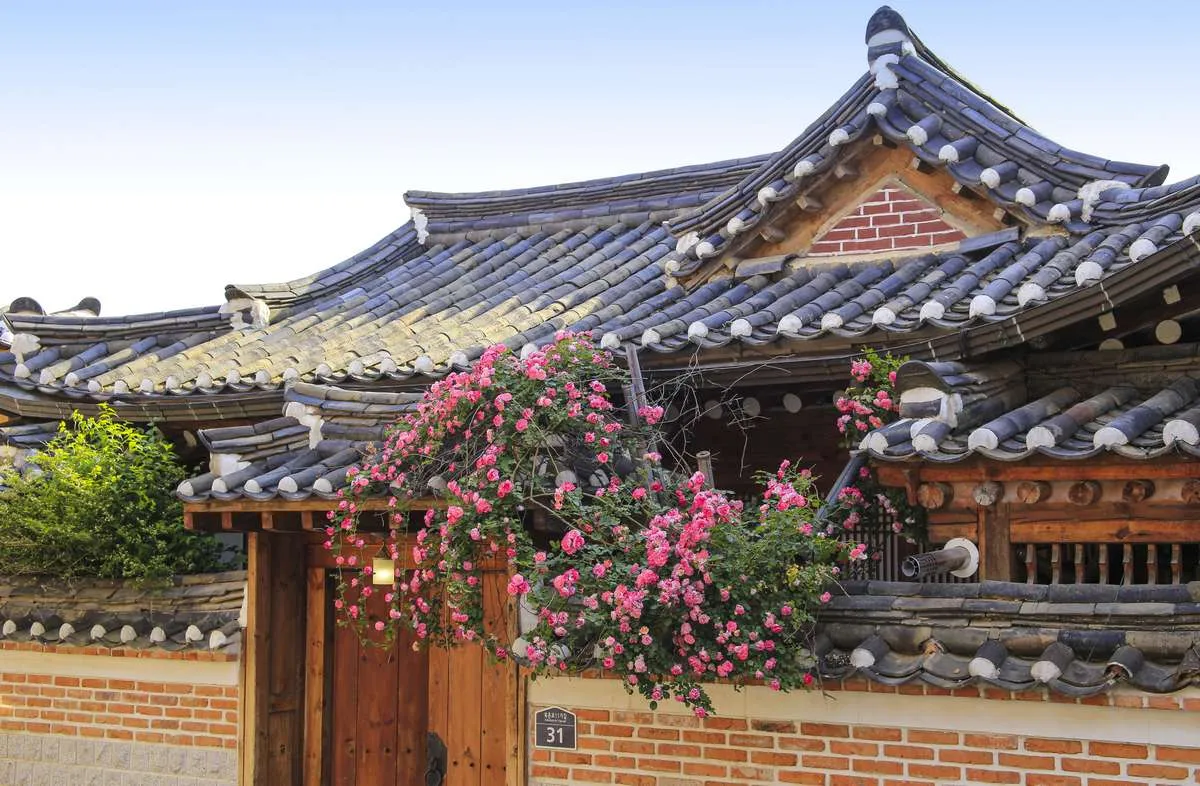
A hanok is a traditional Korean house built with natural materials such as wood, stone, and clay, carefully designed to harmonize with its surroundings. Hanok can range from simple thatched-roof cottages (chogajip) once common in rural areas, to refined tiled-roof residences (giwajip) that housed scholars and aristocrats.
In Seoul today, a hanok village usually refers to a preserved neighborhood of tiled-roof houses dating back to the late Joseon period, where visitors can still see wooden beams, paper-covered windows, and stone courtyards much as they once were.
Top 5 Hanok Villages in Seoul
1. Bukchon Hanok Village
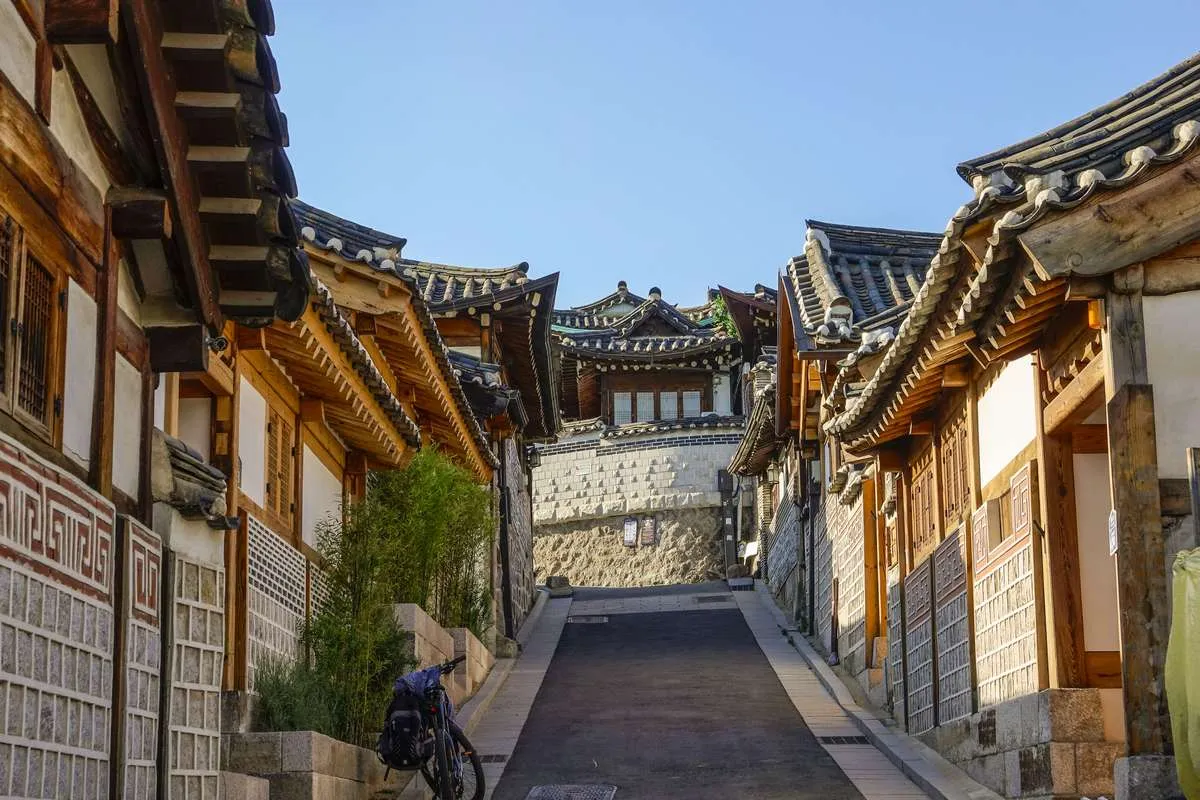
Bukchon Hanok Village is one of the most famous hanok neighborhoods in Seoul, located in Jongno-gu between Gyeongbokgung Palace, Changdeokgung Palace, and Jongmyo Shrine. The name “Bukchon” means “northern village,” as it lies north of Cheonggyecheon Stream and Jongno. Historically, it was home to noble families and high officials. Most of the hanok you see today date from the early 20th century, when smaller urban houses were built for middle-class residents.
As Bukchon is still a living neighborhood, visitors are asked to keep quiet and respect residents’ privacy. A section along Bukchon-ro 11-gil has restricted visiting hours: open 10:00-17:00 on weekdays and Saturdays, and closed on Sundays.
📌 Suggested Tour:
Want to explore Bukchon with a guide? Several of our tours include a stop at Bukchon Hanok Village:
[HIDDEN TREASURE] BBQ DayTrip with a SEOUL BIKE Adventure
A Sentimental Seoul Private Day & Night Tour
2. Ikseon-dong Hanok Village
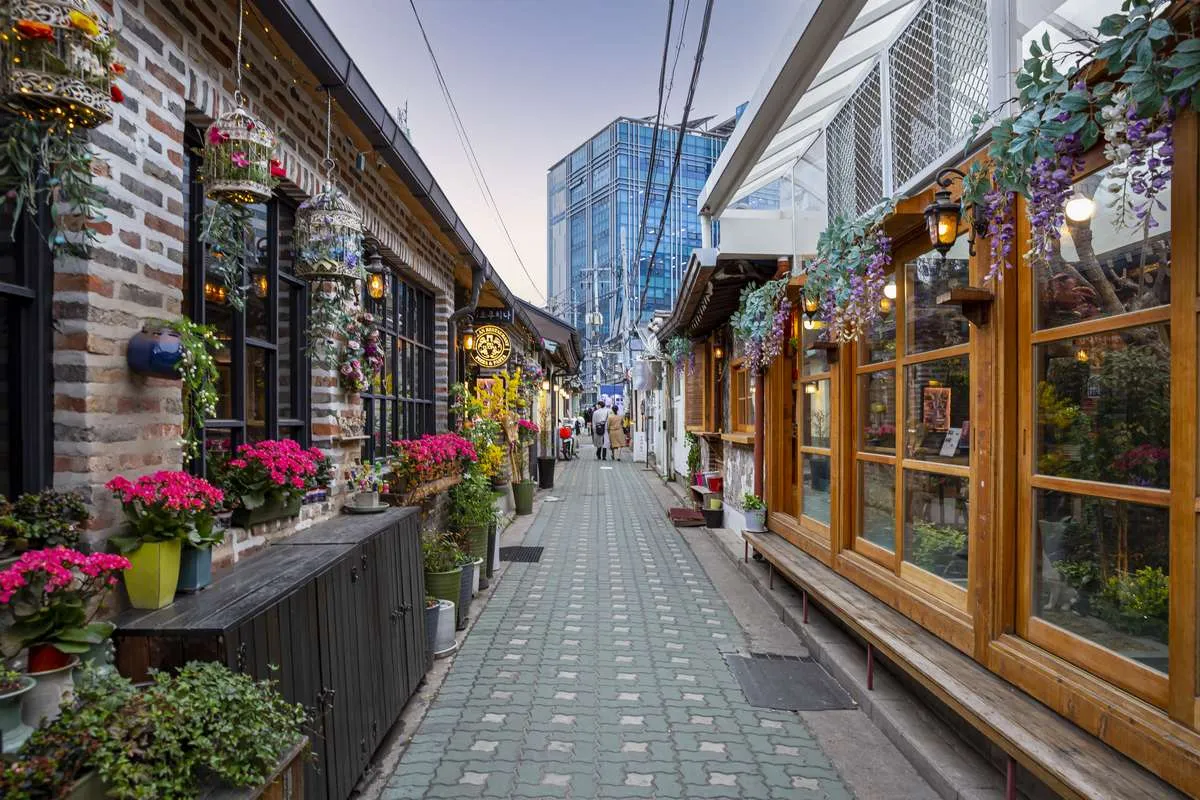
Ikseon-dong Hanok Village is considered the oldest hanok village in Seoul. The neighborhood was first developed in the early 1920s, when small urban-style houses were first built for middle-class families. Built on the former grounds of Nudonggung, the residence of Jeongye Daewongun (father of King Cheoljong), the area retained a dense grid of narrow alleys and small houses that have survived into the present day.
Unlike Bukchon, which was the district of aristocrats, Ikseon-dong grew as a working-class neighborhood. Its houses still show traditional details like tiled roofs and wooden beams, though many were adapted over time to fit modern needs. By the early 2000s the village was aging, but plans to demolish it were eventually abandoned, giving residents the chance to restore and reinvent the area.
Today, Ikseon-dong is one of Seoul’s trendiest spots. Following the “newtro” (trend retro atmosphere with modern style), the village has become one of Seoul’s most visited neighborhoods. Many hanok now house cafés, small restaurants, craft beer pubs, clothing boutiques, and self-photo studios.
3. Namsangol Hanok Village
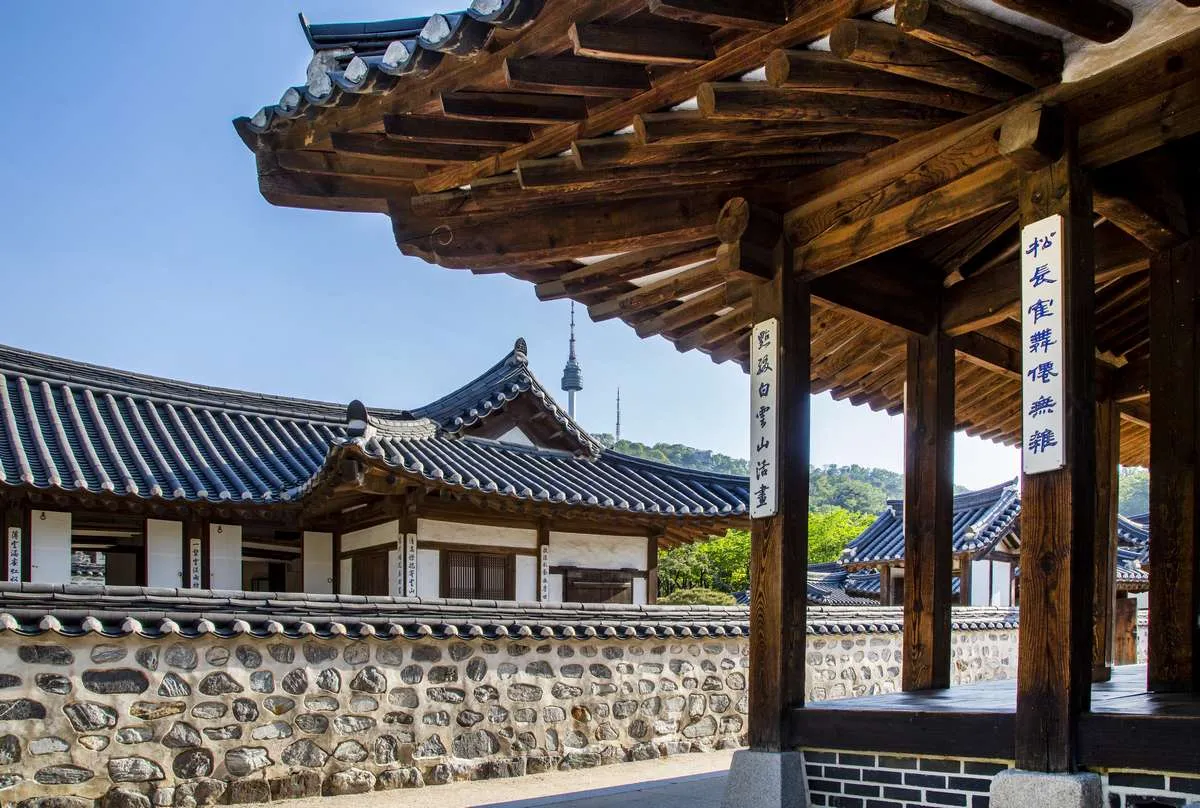
Namsangol Hanok Village is located at the foot of Namsan Mountain. Established in 1998, five hanok houses were relocated here from different parts of the city. Each was restored and furnished according to its original social context, ranging from aristocratic residences to middle-class homes. Household items and interior layouts illustrate daily life during the late Joseon period.
Namsangol Hanok Village also hosts cultural programs where visitors can participate in activities such as craft workshops, performances of Korean traditional music and seasonal events.
📌 Suggested Tour:
Want to mix Korean tradition with a touch of pop culture? This full-day tour includes a guided visit to Namsangol Hanok Village, where you can try traditional games, plus several Squid Game filming locations in Seoul.
[HIDDEN TREASURE] Squid Game Themed One-Day Tour
4. Seochon Hanok Village
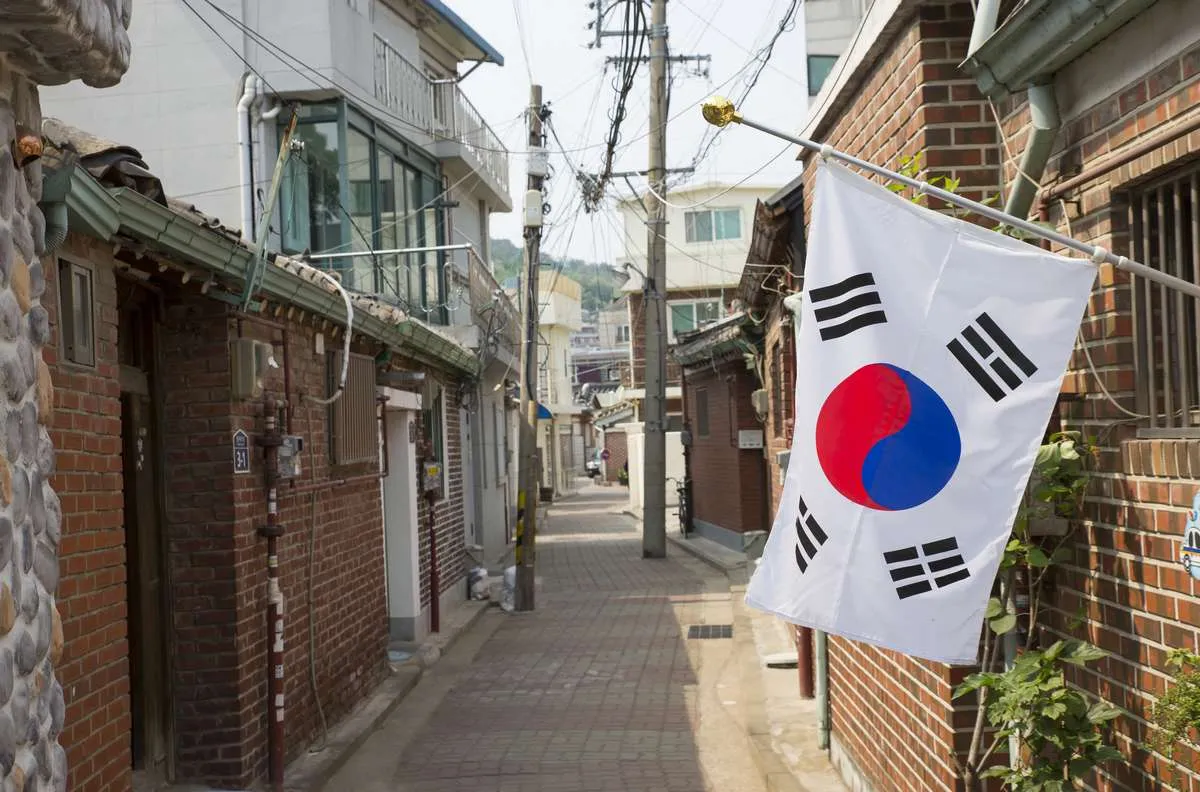
Seochon, meaning “Western Village,” is located to the west of Gyeongbokgung Palace. Unlike the aristocratic Bukchon, Seochon was traditionally home to educated middle-class families such as interpreters and physicians. Over time, it also attracted artists and writers, giving the area a creative spirit that still lingers today.
Unlike Bukchon, Seochon does not have large clusters of densely concentrated hanok. Instead, traditional houses are interspersed with cafés, small galleries, guesthouses and markets, creating a quieter atmosphere.
Several cultural landmarks make Seochon notable. Tongin Market remains one of Seoul’s representative traditional markets, known for its yeopjeon lunchbox experience, where visitors purchase brass coins to exchange for dishes at food stalls. Daeo Bookstore, founded in 1951, is the city’s oldest secondhand bookstore, preserved with its original appearance. In addition, former residences of painters, such as the Park No-su Art Museum, highlight the area’s connection to Seoul’s artistic heritage.
5. Eunpyeong Hanok Village
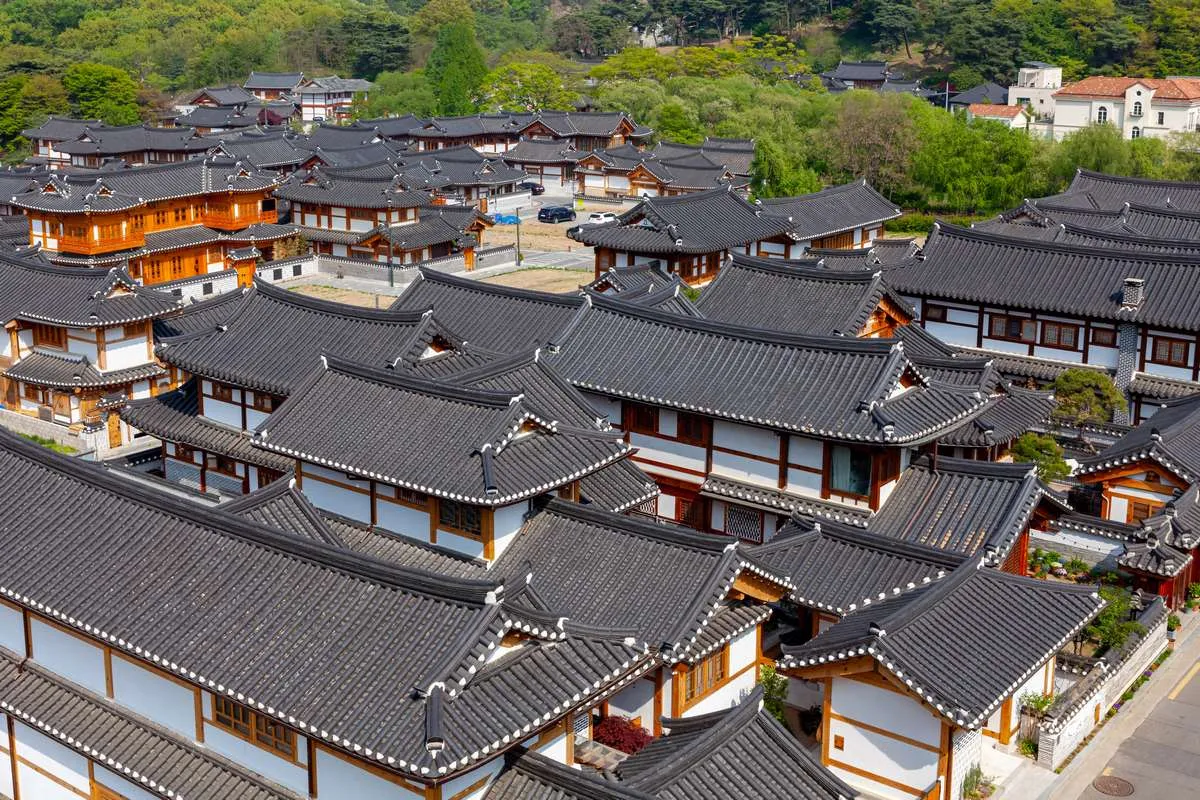
Eunpyeong Hanok Village is located in Jingwan-dong at the foot of Bukhansan Mountain. It is the largest newly built hanok residential complex in Seoul. Opened in 2014, it was designed to capture the beauty of traditional hanok while adapting them for modern comfort. Unlike Bukchon or Seochon, all the buildings here are recent, giving the neighborhood a clean, harmonious look.
The village remains relatively quiet compared to other hanok areas, especially on weekdays, and can be explored at a leisurely pace in less than an hour. Walking paths connect the houses, and the open layout provides clear views of the surrounding Bukhansan peaks, making it a popular spot for combining a cultural visit with nearby hiking trails such as the Bukhansan Dulle-gil. Small cafés and convenience stores are located within the area.
Hanok Villages in Seoul at a Glance
| Hanok Village | Ideal for | Highlights | Duration | Crowd Level |
| Bukchon Hanok Village | First-time visitors | Rooftop views, between two palaces | 1-2h | High |
| Ikseon-dong Hanok Village | Instagram & food lovers | Stylish cafés, newtro vibe, narrow alleys | 2-3h | Very High |
| Namsangol Hanok Village | Families with kids | Restored houses, gardens, cultural programs | 30-60 mins | Low-Medium |
| Seochon Hanok Village | Solo travelers & couples | Vintage bookstores, Tongin Market, quiet alleys | 1-2h | Medium |
| Eunpyeong Hanok Village | Relaxation & Nature lovers | New hanok, Bukhansan views | 30-60 mins | Low |
Hanok Village : Travel Tips
Hanbok Rental Spots
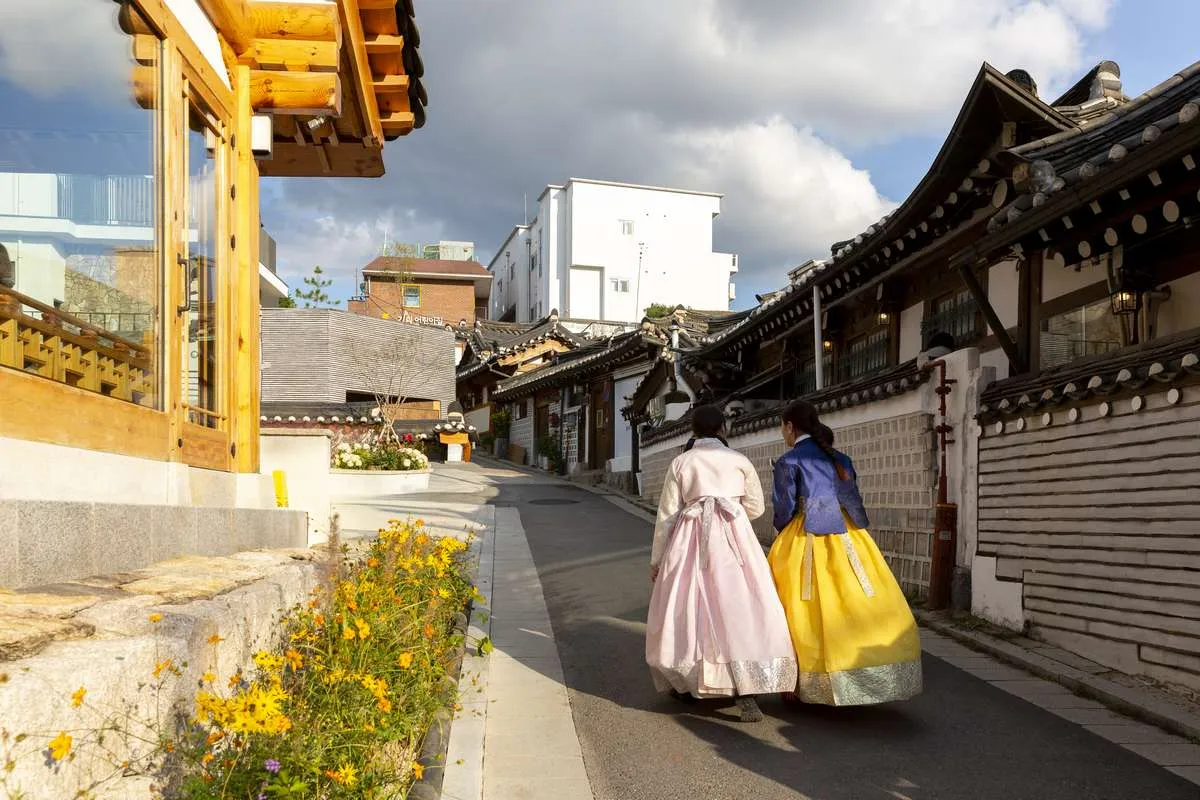
Strolling through a hanok village in traditional dress can make the experience more immersive. Hanbok rental shops are easy to find near Bukchon, Ikseon-dong, and Gyeongbokgung Palace, often including hair accessories and props.
Bonus: wearing a hanbok gives you free entry to the royal palaces.
Best Time to Visit
- Spring (Apr-May): Cherry blossoms and mild weather.
- Autumn (Sept-Nov): Clear skies and colorful foliage, the most atmospheric season.
- Summer (Jun-Aug): Hot and humid, but shaded alleys and hanok cafés offer cool breaks.
- Winter (Dec-Feb): A quieter mood, with snow-capped roofs if you’re lucky.
Cultural Etiquette
Remember that many hanok villages are still residential neighborhoods:
- Keep your voice down in narrow alleys.
- Always ask before photographing private homes or residents.
How to Get to Each Hanok Village
| Village | Closest Station | Subway Line(s) |
| Bukchon Hanok Village | Anguk Station (Exit 2) | Line 3 |
| Ikseon-dong Hanok Village | Jongno 3-ga (Exit 4) | Lines 1, 3, 5 |
| Namsangol Hanok Village | Chungmuro (Exit 4) | Lines 3, 4 |
| Seochon Hanok Village | Gyeongbokgung (Exit 2 or 3) | Line 3 |
| Eunpyeong Hanok Village | Gupabal (then bus) | Line 3 + local bus |
FAQs About Hanok Villages in Seoul
Are Hanok Villages free to enter?
Yes, all the main hanok villages in Seoul are free to visit, though cultural programs may have small fees.
What’s the difference between Bukchon and Ikseon-dong?
Bukchon is a traditional, residential neighborhood, while Ikseon-dong is trendier with cafés, restaurants, and boutique shops.
Are there Hanok villages with fewer crowds?
Yes, Eunpyeong and Seochon are quieter alternatives, especially compared to Bukchon.
Where to Stay in a Hanok in Seoul?
For travelers who want a deeper cultural experience, spending a night in a hanok stay in Seoul is a unique option. Many renovated hanok guesthouses can be found in Bukchon and Seochon.
Where to rent hanbok in Seoul?
There are numerous rental shops near Insa-dong, Bukchon, and Gyeongbokgung.
What’s the best time to visit a Hanok Village?
Weekday mornings are best for quiet walks; evenings suit Ikseon-dong’s cafés and nightlife vibe.
Are Hanok villages good for kids?
Yes, Namsangol and Eunpyeong are especially family-friendly with open spaces and activities.