%20--%3e%3cg%3e%3cg%20id='_레이어_1'%20data-name='레이어_1'%3e%3cg%3e%3cpath%20class='cls-2'%20d='M66.18,20.67c-2.35,0-3.55,1.02-3.58,2.42-.03,1.53,1.47,2.28,3.68,2.76l2.15.51c4.74,1.06,7.5,3.41,7.54,7.37-.03,4.67-3.65,7.5-9.79,7.5-4.46,0-7.79-1.48-9.31-4.46-.94-1.83.44-4,2.5-4h.13c1.05,0,1.97.63,2.45,1.57.68,1.35,2.18,2.04,4.17,2.04,2.46,0,3.92-1.09,3.96-2.66-.03-1.43-1.3-2.18-4.02-2.8l-2.59-.61c-4.26-.99-6.85-3.1-6.85-6.82-.03-4.57,4.02-7.64,9.62-7.64,3.56,0,6.33,1.22,7.91,3.25,1.4,1.8.05,4.43-2.23,4.43h0c-.92,0-1.78-.49-2.23-1.3-.56-1-1.74-1.56-3.48-1.56Z'/%3e%3cpath%20class='cls-2'%20d='M45.11,20.67c-2.35,0-3.55,1.02-3.58,2.42-.03,1.53,1.47,2.28,3.68,2.76l2.15.51c4.74,1.06,7.5,3.41,7.54,7.37-.03,4.67-3.65,7.5-9.79,7.5-4.46,0-7.79-1.48-9.31-4.46-.94-1.83.44-4,2.5-4h.13c1.05,0,1.97.63,2.45,1.57.68,1.35,2.18,2.04,4.17,2.04,2.46,0,3.92-1.09,3.96-2.66-.03-1.43-1.3-2.18-4.02-2.8l-2.59-.61c-4.26-.99-6.85-3.1-6.85-6.82-.03-4.57,4.02-7.64,9.62-7.64,3.56,0,6.33,1.22,7.91,3.25,1.4,1.8.05,4.43-2.23,4.43h0c-.92,0-1.78-.49-2.23-1.3-.56-1-1.74-1.56-3.48-1.56Z'/%3e%3cpath%20class='cls-2'%20d='M89.11,41.24c-6.65,0-11.73-4.57-11.73-12.69s5.08-12.69,11.73-12.69,11.73,4.54,11.73,12.69-5.12,12.69-11.73,12.69ZM89.11,20.98c-3.61,0-5.8,2.66-5.8,7.57s2.18,7.57,5.8,7.57,5.8-2.66,5.8-7.57-2.18-7.57-5.8-7.57Z'/%3e%3cpath%20class='cls-2'%20d='M121.37,19.11c-.01.13-.02.25-.03.38v.06c0,.13,0,.25,0,.36v5.95h5.94c.28,0,.56,0,.82-.03,2.89-.29,5.19-2.59,5.47-5.48.18-1.85-.46-3.66-1.77-4.96-1.3-1.3-3.11-1.95-4.96-1.76-2.89.29-5.19,2.59-5.47,5.47Z'/%3e%3cg%3e%3cpath%20class='cls-1'%20d='M153.63,16.2c1.6,0,2.9,1.3,2.9,2.9v13.03c0,5.52-4.19,9.11-10.4,9.11s-10.4-3.58-10.4-9.11v-13.03c0-1.6,1.3-2.9,2.9-2.9h0c1.6,0,2.9,1.3,2.9,2.9v12.55c0,2.63,1.88,4.5,4.6,4.5s4.57-1.88,4.57-4.5v-12.55c0-1.6,1.3-2.9,2.9-2.9h.03Z'/%3e%3cpath%20class='cls-1'%20d='M171.03,20.98c-3.65,0-5.87,2.76-5.87,7.57s2.28,7.57,5.83,7.57c2.05,0,3.61-.85,4.43-2.35.5-.92,1.47-1.5,2.52-1.49h0c2.19.01,3.52,2.46,2.31,4.29-1.75,2.65-4.9,4.67-9.36,4.67-6.68,0-11.66-4.57-11.66-12.69s5.08-12.69,11.66-12.69c4.38,0,7.9,1.82,9.69,5.14,1,1.85-.34,4.1-2.44,4.1h-.12c-1.1,0-2.08-.63-2.56-1.62-.77-1.57-2.32-2.51-4.43-2.51Z'/%3e%3cpath%20class='cls-1'%20d='M185.86,16.2h1.32c1.24,0,2.24,1,2.24,2.24v8.3h.34l6.91-8.79c.87-1.1,2.19-1.75,3.6-1.75h0c1.88,0,2.92,2.17,1.75,3.64l-4.9,6.11c-.61.76-.66,1.82-.13,2.63l5.8,8.85c.98,1.49-.09,3.47-1.87,3.47h-1.58c-.77,0-1.48-.39-1.89-1.04l-3.91-6.13c-.82-1.29-2.67-1.39-3.63-.2h0c-.32.4-.5.9-.5,1.41v3.72c0,1.24-1,2.24-2.24,2.24h-1.32c-1.24,0-2.24-1-2.24-2.24v-20.21c0-1.24,1-2.24,2.24-2.24Z'/%3e%3cpath%20class='cls-1'%20d='M131.92,34.3c-.29-2.94-2.67-5.32-5.61-5.61-.13-.01-.26-.02-.38-.03h0s-.07,0-.07,0c-.12,0-.25,0-.37,0h-6.09v6.09c0,.27,0,.55.03.83.29,2.94,2.67,5.32,5.61,5.61,3.97.39,7.29-2.92,6.89-6.89Z'/%3e%3cpath%20class='cls-1'%20d='M118.64,34.76v-6.09h-6.09c-.12,0-.25,0-.37,0h-.07c-.13,0-.26.01-.38.03-2.94.29-5.32,2.67-5.61,5.61-.39,3.97,2.92,7.29,6.89,6.89,2.94-.29,5.32-2.67,5.61-5.61.03-.28.04-.56.03-.83Z'/%3e%3cpath%20class='cls-1'%20d='M118.62,21.89c0-.27,0-.55-.03-.83-.29-2.94-2.67-5.32-5.61-5.61-3.97-.39-7.29,2.92-6.89,6.89.29,2.94,2.67,5.32,5.61,5.61.13.01.26.02.38.03h0s.06,0,.06,0c.13,0,.26,0,.38,0h6.09v-6.09Z'/%3e%3c/g%3e%3c/g%3e%3c/g%3e%3c/g%3e%3c/svg%3e)
Blog
Seoul Forest: What to See, Do & Explore in Every Season
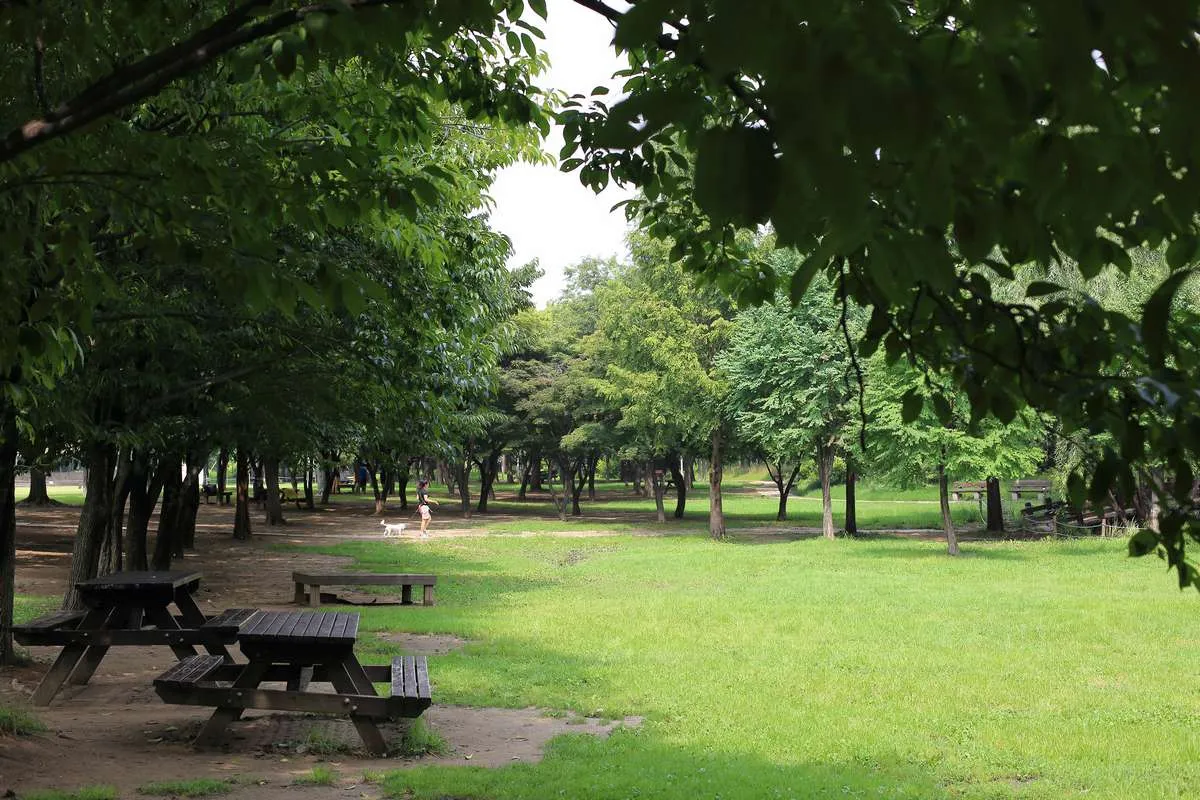
Seoul Forest is a large urban park located in Seongsu-dong, on the east side of central Seoul. Spanning over 1.2 million square meters, it is one of the city's largest green spaces, combining nature, art and ecological preservation in one place. It's popular for cherry-blossom viewing, cycling and picnics all year round.
What is Seoul Forest?
Seoul Forest is often referred to as Seoul's version of Central Park. The park features flower gardens, art installations, deer enclosures, and a variety of natural landscapes.
The area has served many roles throughout its history. During the Joseon Dynasty (1392–1910), it was used as a royal hunting ground. In 1908, it became the site of Korea's first modern water purification plant. Later, it was used as a golf course and a racetrack before being opened as a public park in 2005. The park's creation was supported by citizens and volunteers.
Seoul Forest is divided into four main zones:
- The Cultural Art Park features wide lawns, sculptures, and event spaces.
- The Experiential Learning Center offers hands-on programs and educational gardens.
- The Eco Forest is a preserved woodland with a deer enclosure and quiet walking paths.
- The Wetland Ecological Park includes boardwalks and habitats ideal for bird-watching.
Seasonal Highlights
Seoul Forest is open throughout the year and offers something different in every season. Flowers, colors and atmosphere change with the months, making it worth visiting more than once.
Spring: Cherry Blossoms and Tulips
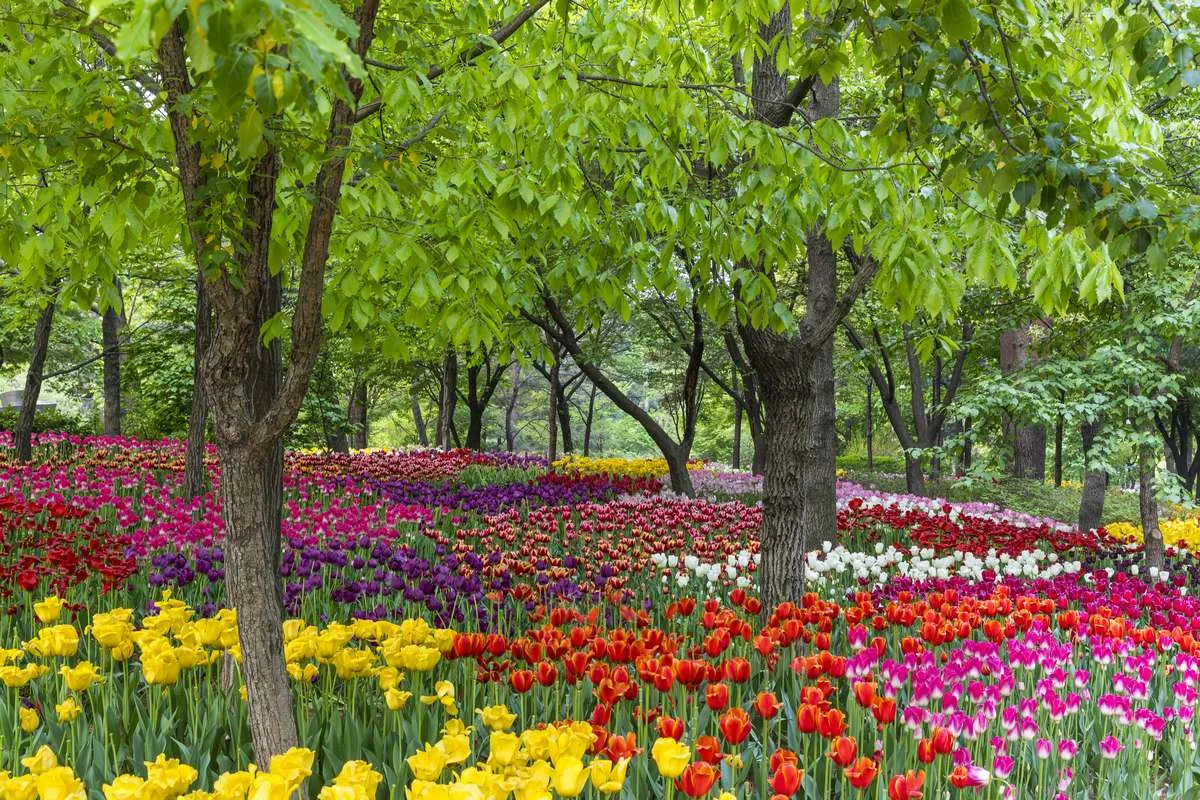
Spring is one of the most popular times to visit the park. From early to mid-April, cherry blossoms bloom along many walking paths. A particularly scenic spot is the trail between the Insect Garden and the Eco Forest. Wind Hill, near the deer enclosure, also offers good views. The nearby pedestrian bridge gives a higher perspective.
Tulips bloom around the same time and can be seen in the Cultural Art Park. They are especially common near the Family Yard, Mirror Pond, and Splash Fountain. All of these areas are easy to reach from Exit 4 of Seoul Forest Station.
Summer: Forest Trails and Fountains
In summer, the park is filled with green trees and colorful flowers. Oriental poppies, hibiscus, roses, and cornflowers bloom across the grounds. Water lilies can be seen in the quiet corners of the Wetland Ecological Park.
The ground fountain near the entrance to the Cultural Art Park is a popular place to cool off. Children often play here on hot days.
In late summer, the park hosts the Seoul Forest Jazz Festival. The event takes place in September and features live music, food trucks, and outdoor performances.
Autumn: Golden Ginkgo Tree Tunnels
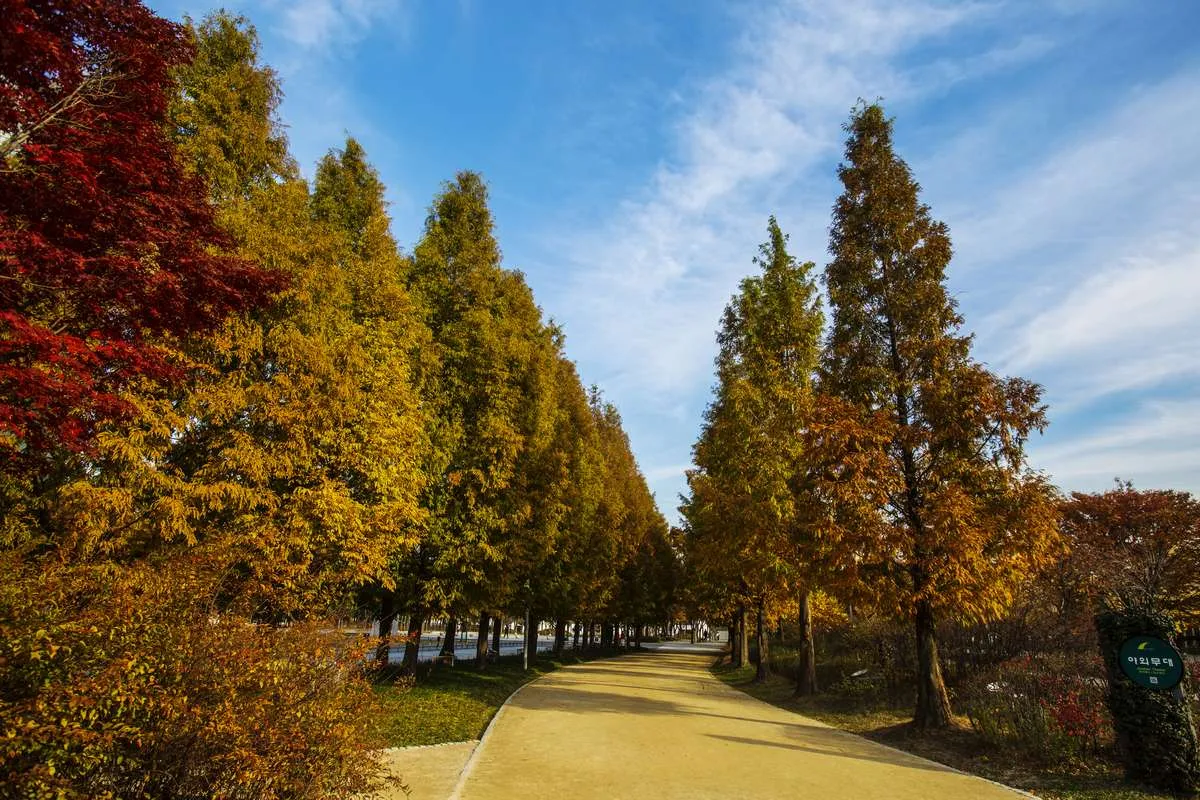
Autumn is one of the most beautiful seasons at Seoul Forest. As temperatures drop, the park turns into a mix of yellow ginkgo leaves, red maple trees, and tall silver grass.
The Ginkgo Tree Forest near the main entrance is a highlight. In October and November, the tall trees form a golden tunnel along the path. Maple trees nearby add bright red and orange colors, especially around the Equestrian Statue close to the gate.
For a quieter walk, head to the Forest Trail near Wind Hill. This path is also lined with ginkgo trees but tends to be less crowded. Benches along the way offer a chance to sit and take in the view. Wind Hill is the park's highest point, and from there you can enjoy wide views over the trees. The area is also close to the deer enclosure.
Winter: Quiet Season for Walking
Seoul Forest remains open in winter, offering a peaceful place for walking. The cold weather brings fewer visitors, making it a good time for calm strolls and clear views.
The wetland area is especially quiet in winter. The boardwalks stay open and are ideal for early morning walks or birdwatching. With the leaves gone from the trees, more of the landscape is visible, and some migratory birds stop by during this season.
Others Things to Do in Seoul Forest
Visit the Deer Park
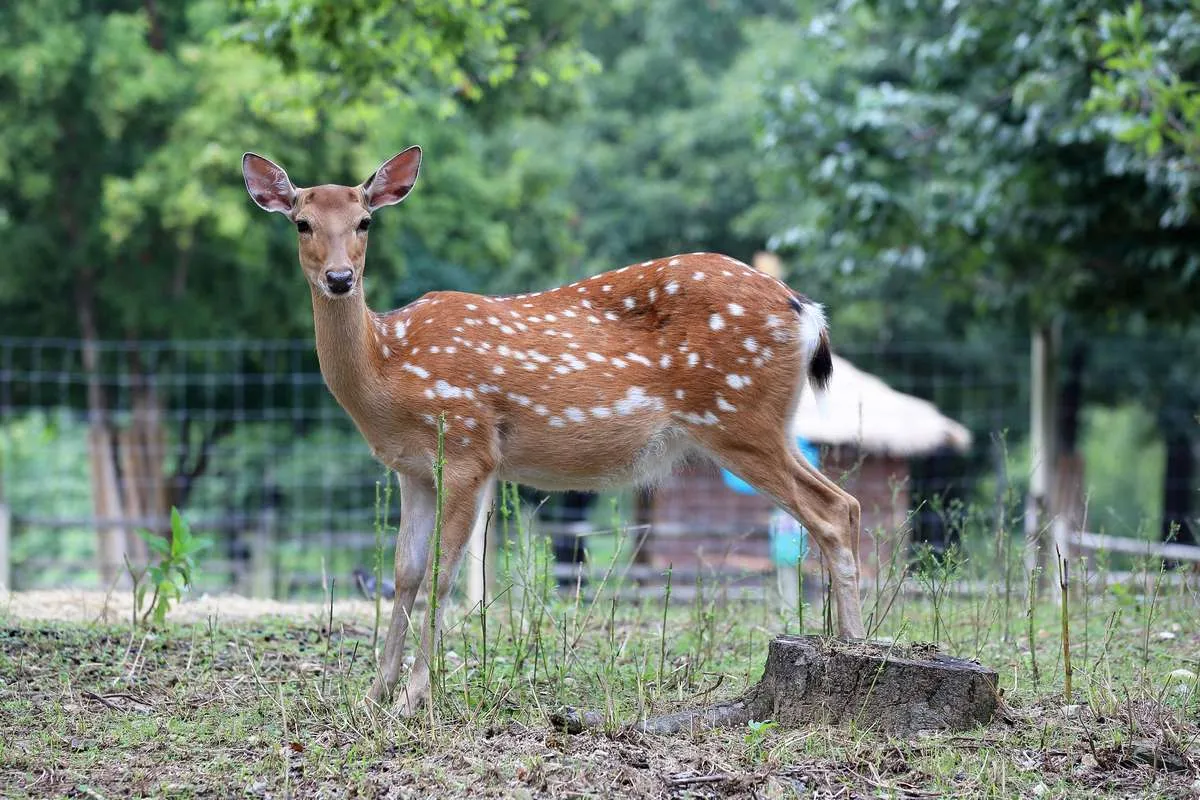
The Deer Park is located in the Eco Forest zone and is one of the most visited areas in Seoul Forest. A few deer live in a large, fenced area surrounded by trees and quiet walking paths.
Visitors cannot enter the enclosure, but the deer often come close to the fence. It is easy to observe them eating, resting, or moving slowly through the trees. Benches are placed nearby for sitting and watching. The area is calm and a good spot for taking photos.
Explore the Butterfly and Insect Gardens
The Butterfly Garden is a small greenhouse open during the warmer months. Inside, you can see butterflies flying around, feeding, or resting on plants. It is a peaceful place, especially in the morning or early afternoon when the butterflies are most active.
Next to it is the Insect Garden, which is open year-round. It features a small indoor exhibit with various insects and plants, though displays are limited in winter.
Go for a Bike Ride
Seoul Forest is bike-friendly, and cycling is a good way to explore both the park and the nearby riverside area. While bikes are not available for rent inside the park, several rental options are located nearby.
The easiest way is to use Ddareungi, Seoul's public bike service. The Seoul Bike app allows users to find and rent bikes from stations around the park. Private rental shops are also available, including one near Gate 5.
Cyclists can cross Yongbigyo Bridge to reach the Han River Park. The ride offers views of the river and places to stop for a drink or a break. In summer, food trucks and small events can sometimes be found along the way.
Enjoy a Picnic
Seoul Forest is a popular place for picnics, with large open lawns and plenty of shade. Visitors often bring mats to sit on, eat lunch, read, or relax outdoors.
The main picnic area is the Family Lawn in the Cultural Art Park. It is a spacious grassy field surrounded by trees. Locals also bring their dogs here, and the area has a relaxed and friendly atmosphere.
Discover the BTS Forest
Several benches around the park are dedicated to the members of BTS. These were created by fans to support environmental projects and celebrate the group.
The benches are not located in a single area, so you can walk along various paths to find them. It has become a quiet point of interest for fans visiting the park.
Did you know? You can visit Seoul Forest as part of a full-day walking tour of Seongsu-dong. The itinerary include stops at cafés, galleries, and cultural sites, finishing with a walk through the park. Learn more here.
Plan Your Visit to Seoul Forest
Location & Access
273, Ttukseom-ro, Seongdong-gu, Seoul (서울특별시 성동구 뚝섬로 273)
How to Get There
By Subway :
▪ Line Suin–Bundang: Seoul Forest Station (Exit 3), 5 min walk
▪ Line 2: Ttukseom Station (Exit 8), 10 min walk
Admission
General Entry: Free
Opening Hours
Park Grounds: Open 24/7, year-round
Eco Forest (Deer Park)
Location: Near Wind Hill and the Han River footbridge
Hours: Daily from 05:30 AM to 9:30 PM
Admission: Free
Butterfly Garden
Season: Open May to October
Hours: 11:00 AM – 4:00 PM
Closed: Mondays and Tuesdays
Admission: Free
Insect & Plant Garden
Season: Year-round
Hours: 11:00 AM – 4:00 PM
Closed: Mondays and Tuesdays
Winter Operation (Nov-Apr): Limited exhibit on 2nd floor
Admission: Free
Ground Fountain
Season: May to September
Closed on Mondays for regular maintenance
Operating Schedule:
▪ May-June & September: 1 PM, 2 PM, 3 PM, 4 PM (4 sessions/day, 30 min each)
▪ July–August: Every hour from 12 PM to 4 PM (5 sessions/day)